KOYO vs SKF Bearings for Semiconductor Equipment Wholesale Supplier
Same model numbers do not mean same performance inside a cleanroom.
KOYO vs SKF bearings for semiconductor equipment cannot be swapped purely by model number; interchangeability requires verifying dimensional tolerances, cage material, internal clearance groups, and country-of-origin consistency before installation.
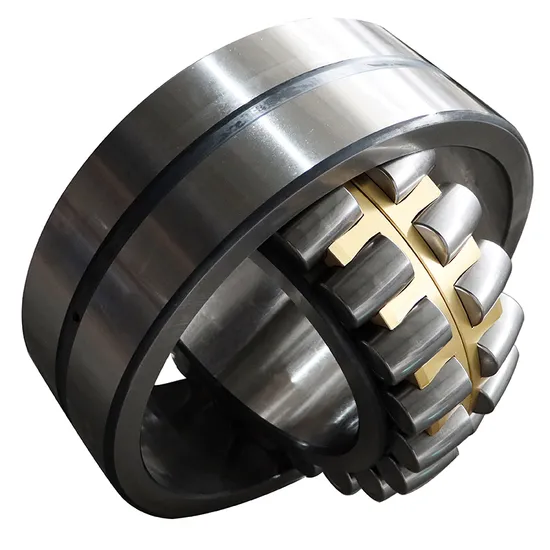
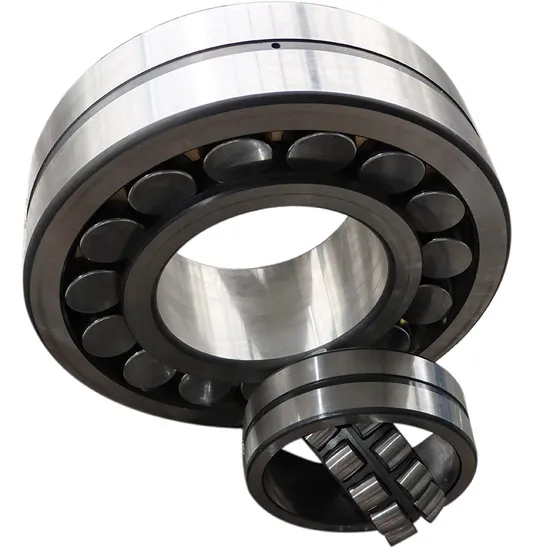
At a Hanover industrial fair, a German buyer held a 22320 inquiry sheet with KOYO on the left and SKF on the right, asking where the price gap came from. I started to say SKF charges more for workmanship. He pulled up a packaging photo — the KOYO batch was stamped "Made in Japan," while the SKF lot came from a French plant. He had previously sourced that same French-stamped SKF from another channel, and the cage disintegrated within months. That moment reshaped how I approach every cross-brand request: buyers are not comparing brand prestige; they are checking whether origin traceability and cross-reference alignment actually match. Over years moving from quality inspection into trade, I learned to lay out the physical codes, origin stamps, and authorization chain before discussing selection. [NEED_CITE: bearing interchange principles per ISO 15243 tolerance classes]
Let me walk through the real decision points when sourcing KOYO vs SKF bearings for semiconductor equipment.
Can KOYO and SKF Semiconductor Bearings Be Directly Interchanged?
No — direct interchange is only safe after confirming size, clearance, cage material, and lubrication compatibility on a model-by-model basis.
Many maintenance teams assume that if a KOYO 6206 and an SKF 6206 share the same bore, outer diameter, and width, they are functionally identical. Inside semiconductor wafer-handling robots and vacuum pumps, this assumption causes silent failures. The differences hide in three areas:
| Parameter | KOYO Typical Design | SKF Typical Design | Interchange Risk |
|---|---|---|---|
| Internal clearance grouping | JIS-based C-series | ISO-based C-series | Noticeably different preload behavior |
| Cage material standard | Phenolic resin or brass | Polyamide or steel | Cage wear rate varies under vacuum |
| Grease fill volume | Manufacturer-specific | Manufacturer-specific | Outgassing risk in cleanroom |
| Ring roundness tolerance | P5-class typical | P5-class typical | Comparable if certified |
A wafer-handling robot arm at a Southeast Asian fab originally used KOYO bearings that reached end-of-life. The maintenance team ordered SKF replacements labeled as the same size. After installation, the arm produced audible cage noise within weeks. Root cause analysis pointed to a mismatch in cage material and internal clearance grouping — the SKF cage design ran tighter under the robot’s oscillating load, generating friction heat that degraded the grease faster. [NEED_CITE: cage material compatibility under vacuum per SEMI cleanliness guidelines]
When evaluating KOYO vs SKF bearings for semiconductor equipment, always request the manufacturer’s dimensional inspection report and compare the actual clearance code, not just the model prefix.
Why Does Country-of-Origin Matter for Semiconductor Bearing Selection?
Origin stamps are not just geographic labels — they reflect different production facilities with distinct material batches and process controls, making origin traceability a core part of authenticity verification.
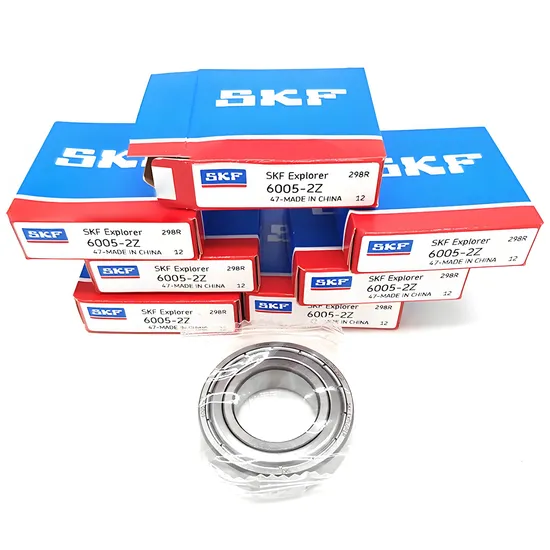
A packaging equipment repair house in the Middle East once placed a bulk order for SKF spherical roller bearings. When the shipment arrived, the team noticed two different origin stamps across the boxes — some marked France, others Spain. They suspected mixed sourcing and sent samples for verification. The authorization chain turned out to be broken: the supplier had blended stock from two regional distributors without disclosing it. [NEED_CITE: authorized distributor verification methods per brand compliance programs]
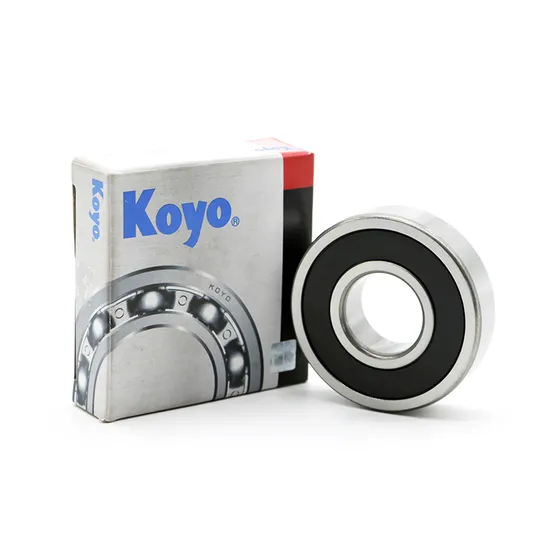
The same principle applies to KOYO. KOYO operates production facilities across Japan, China, and other regions. Even within the same model number, bearings from different plants can show subtle variations in raceway surface finish and heat-treatment batch consistency. In semiconductor applications, where particle generation and outgassing thresholds are strict, these variations matter.
Here is what origin traceability actually protects:
- Material batch consistency — steel purity and inclusion density can shift between plants, even under the same brand specification.
- Process control alignment — grinding and superfinishing parameters are calibrated per facility; cross-plant mixing can introduce dimensional scatter.
- Authorization chain integrity — genuine origin stamps should match the declared supply path from manufacturer to end buyer.
When I audit a batch of KOYO vs SKF bearings for semiconductor equipment, I check three things: the laser-etched origin code on the outer ring, the batch number on the packaging, and whether the declared origin matches the supplier’s authorization certificate. If any of these three do not align, the batch is flagged before it reaches the cleanroom floor.
How Do You Verify Authenticity and Authorized Sourcing for KOYO and SKF?
Authenticity verification requires a three-point check: packaging imprint alignment, authorization certificate cross-reference, and official channel confirmation.
Counterfeit and mixed-origin bearings are the real cost drivers in semiconductor maintenance — not the unit price difference between brands. A European semiconductor equipment operator once received a shipment of KOYO deep groove ball bearings at a price noticeably below market. The packaging looked correct at first glance, but the font weight on the model number was slightly off, and the QR code on the box led to a generic tracking page instead of the manufacturer’s official verification portal. [NEED_CITE: anti-counterfeit verification protocols per major bearing brand programs]
The three-point verification method I use for every KOYO vs SKF bearings for semiconductor equipment order works like this:
-
Packaging and stamp alignment — Compare the font, spacing, and laser-etch depth on the bearing outer ring against the manufacturer’s published reference images. Genuine stamps are clean and consistent; counterfeit stamps often show micro-blurring or uneven depth.
-
Authorization certificate cross-reference — Request the supplier’s authorization letter and verify it against the brand’s official distributor list. The certificate should name the exact legal entity, cover the specific product lines, and carry a valid date range.
-
Official channel confirmation — Use the brand’s online verification tools or contact their regional office directly with the batch number. This step catches blended stock that may carry genuine stamps but was sourced through unauthorized intermediaries.
A distributor in Latin America once asked me to verify a large KOYO order. The stamps looked correct, but the authorization certificate was issued to a different legal entity than the invoicing company. That single mismatch revealed that the stock had passed through an unauthorized layer, making origin traceability impossible. The order was rejected before any bearing reached a machine.
What Is the Practical Cross-Reference Checklist for Cross-Brand Interchange?
A four-step verification — size, load rating, speed limit, and lubrication compatibility — prevents hidden failures after cross-brand installation.
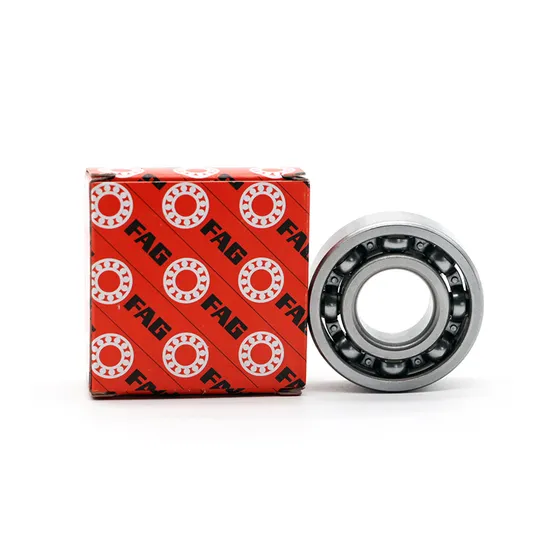
Cross-brand interchange between KOYO, SKF, and other major brands like NSK, FAG, NTN, or TIMKEN is common in semiconductor equipment maintenance. But "common" does not mean "risk-free." A semiconductor vacuum pump operator needed to replace FAG bearings with KOYO equivalents and requested a complete cross-reference table with life-expectancy comparison. The request was reasonable, but the underlying assumption — that a model-to-model swap guarantees equivalent performance — needed correction. [NEED_CITE: cross-brand bearing interchange methodology per ISO dimensional standards]
Here is the four-step checklist I apply to every KOYO vs SKF bearings for semiconductor equipment cross-reference request:
-
Dimensional alignment — Confirm bore, outer diameter, and width match within the same P-class tolerance. Even a micrometer-level deviation in raceway roundness can affect high-speed spindle performance.
-
Load rating comparison — Compare the dynamic and static load ratings between the original and replacement bearing. Differences in internal geometry can shift the load-carrying capacity noticeably, even when external dimensions match.
-
Speed limit verification — Check the limiting speed ratings under the actual operating conditions. Grease type, cage design, and internal clearance all influence the thermal behavior at high RPM.
-
Lubrication compatibility — Verify that the replacement bearing’s factory grease fill is compatible with the cleanroom or vacuum environment. Some grease formulations outgas at levels unacceptable for semiconductor processes, even if the bearing itself is dimensionally correct.
| Verification Step | What to Check | Common Pitfall |
|---|---|---|
| Dimensional alignment | Bore, OD, width, P-class tolerance | Assuming model number guarantees dimensional match |
| Load rating | Dynamic and static load capacity | Overlooking internal geometry differences |
| Speed limit | Limiting RPM under actual conditions | Ignoring cage and grease thermal effects |
| Lubrication compatibility | Grease outgassing and cleanroom rating | Assuming factory fill is universally suitable |
A fab in East Asia once swapped NSK bearings for KOYO equivalents in a chemical vapor deposition robot without running the full checklist. The dimensions matched, but the cage material in the KOYO bearing generated slightly more particulate under the robot’s specific oscillation pattern. The contamination rate climbed above the process threshold, forcing a line shutdown and a full chamber cleaning cycle. The cost of that shutdown was many times the price difference between the two bearing brands.
Conclusion
KOYO vs SKF bearings for semiconductor equipment require origin traceability, cross-reference verification, and authorized sourcing — not just model-number matching.
Every interchange decision should rest on dimensional alignment, clearance grouping, cage material, and lubrication compatibility, verified against the actual batch documentation. Origin stamps, authorization certificates, and official channel confirmation form the three pillars that separate genuine, traceable stock from mixed or counterfeit supply. In semiconductor applications, where cleanliness and precision are non-negotiable, these verification steps are not optional — they are the foundation of reliable equipment operation.