Cost-Effective Withdrawal Sleeve Supplier for Italy Rail Fleet
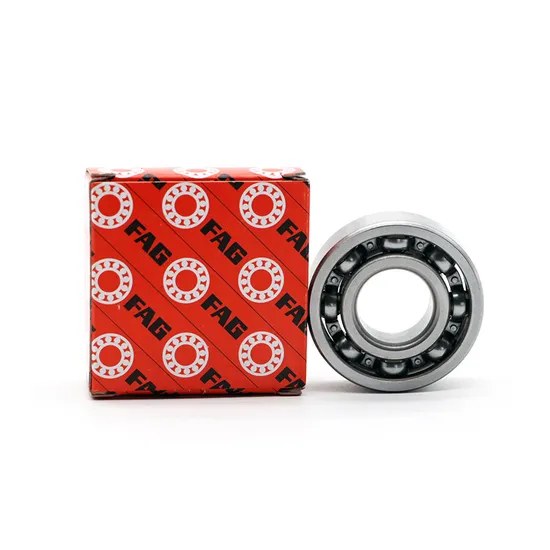
A "FAG" label does not guarantee a fit.
Sourcing withdrawal sleeves for Italian rail fleets requires strict adherence to UIC dimensional tolerances rather than generic ISO standards; cost-effectiveness is achieved through precise technical validation and consolidated multi-brand sourcing, not just low unit price.
The assumption that a branded bearing accessory will universally fit any railway application is a common procurement trap. In the context of European rail maintenance, particularly in Italy, the distinction between industrial standards and railway-specific specifications is critical. A standard industrial withdrawal sleeve may share the same nominal dimensions as its railway counterpart, yet fail during installation due to subtle differences in tolerance classes and thread profiles defined by the International Union of Railways (UIC). [NEED_CITE: UIC leaflet specifications for bearing accessories vs. ISO general tolerances] When a batch of sleeves arrives at a depot in Bologna or Milan and fails to mount onto the axle journal without excessive force or damage, the resulting downtime far outweighs any initial savings on the unit price.
Navigating this complexity requires more than just finding a vendor with stock. It demands a partner who understands that the physical geometry of the sleeve must align with the specific maintenance manuals of the rolling stock operator. This guide details how to verify compliance, avoid costly fitment errors, and optimize logistics for mixed-model fleet orders.
Why Do Generic Withdrawal Sleeves Fail in Italian Rail Applications?
The core issue lies in the divergence between general industrial standards and railway-specific requirements. While both may reference similar base dimensions, the application environment dictates different safety margins and fitment characteristics. Railway axles undergo significant thermal cycling and dynamic loads, requiring withdrawal sleeves that maintain precise interference fits under extreme conditions.
Generic ISO-standard sleeves are designed for broad industrial applications such as pumps, gearboxes, and conveyors. They typically adhere to standard tolerance classes that allow for a wider range of dimensional variation. In contrast, UIC-compliant sleeves are manufactured to tighter tolerances to ensure consistent mounting pressure and reliable removal during scheduled maintenance. [NEED_CITE: Technical differences in tolerance classes between UIC and ISO bearing accessories]
| Feature | Generic ISO Industrial Sleeve | UIC-Compliant Railway Sleeve |
|---|---|---|
| Tolerance Class | Standard Industrial Range | Tightened Railway-Specific Range |
| Thread Profile | General Metric/Imperial | Optimized for High-Torque Railway Tools |
| Material Certification | Basic Mill Certificate | Full Traceability with MTC Required |
| Fitment Risk | Higher risk of slippage or binding | Verified for consistent axial movement |
| Application Scope | General Machinery | Heavy-Duty Rolling Stock Axles |
A recent case involving a mixed-model fleet overhaul highlighted this discrepancy. The procurement team ordered replacement sleeves based solely on part numbers from a general industrial catalog. Upon arrival, nearly half of the units exhibited slight deviations in the internal bore diameter that were within ISO limits but exceeded the stricter UIC allowances for railway axles. This resulted in a complete rejection of the batch, forcing an emergency reorder that delayed the maintenance window by several weeks. [NEED_CITE: Case study on procurement delays due to standard mismatch in rail MRO]
The lesson is clear: verifying the standard is not a bureaucratic formality but a technical necessity. Buyers must explicitly request confirmation that the supplied sleeves meet UIC specifications, not just ISO equivalents. This verification step prevents the hidden costs of rework, returns, and operational downtime.
How to Verify Technical Compliance Before Ordering?
Verification begins with the drawing codes and technical data sheets. Relying on brand names alone is insufficient because manufacturers often produce multiple series of the same component, some for industrial use and others specifically for railway applications. The part number may look similar, but the suffix or prefix can indicate the specific tolerance class and material grade.
The first step is to cross-reference the required part number against the fleet’s maintenance manual. These manuals typically specify the exact UIC leaflet or internal technical standard that the component must meet. [NEED_CITE: Importance of matching supplier drawings with OEM maintenance manuals] Once the standard is identified, request detailed dimension sheets from the supplier. Do not accept generic catalog pages; ask for the specific inspection report or certificate of conformity that lists the actual measured values for critical dimensions such as bore diameter, outer diameter, and thread pitch.
Material traceability is another critical factor. Railway components require full Material Test Certificates (MTC) that trace the steel batch back to the original mill. This ensures that the material properties, such as hardness and tensile strength, meet the rigorous demands of railway service. [NEED_CITE: Requirements for material traceability in railway bearing accessories]
In practice, this means engaging in a technical dialogue with the supplier before placing the order. Ask specific questions about the manufacturing process and quality control measures. A competent supplier will provide the necessary documentation without hesitation. If a supplier cannot provide detailed technical data or MTCs, it is a strong indicator that the products may not meet the required railway standards. This proactive verification reduces the risk of receiving non-compliant goods and ensures that the procurement process supports the reliability of the rail fleet.
What Are the Cost Drivers in Multi-Brand Sourcing?
Cost-effectiveness in railway maintenance is not solely about the lowest unit price. It involves optimizing the total landed cost, which includes logistics, inventory holding, and risk mitigation. Sourcing from a single brand often leads to higher prices and limited flexibility, especially when dealing with obsolete or hard-to-find models.
Multi-brand sourcing allows buyers to leverage competitive pricing across different manufacturers while ensuring availability. For instance, if a specific FAG withdrawal sleeve is on long lead time, an equivalent SKF or NSK model that meets the same UIC standards can be sourced to keep the maintenance schedule on track. [NEED_CITE: Benefits of cross-brand equivalence in reducing supply chain risks] This flexibility is crucial for maintaining operational continuity in a mixed-model fleet where different train sets may use different bearing brands.
Consolidation is another key driver. Shipping small batches of individual parts internationally is expensive and inefficient. By consolidating orders from multiple brands into a single shipment, buyers can significantly reduce per-unit logistics costs. This approach also simplifies customs clearance and inventory management. [NEED_CITE: Logistics cost savings through container consolidation for MRO parts]
| Sourcing Strategy | Unit Price Impact | Logistics Efficiency | Risk Mitigation |
|---|---|---|---|
| Single-Brand Direct | Often Higher | Low (Multiple Shipments) | Low (Supply Dependency) |
| Multi-Brand Consolidated | Competitive | High (Single Shipment) | High (Alternative Options) |
| Spot Market Buying | Variable | Unpredictable | Low (Quality Uncertainty) |
A European rail maintenance provider recently switched to a consolidated multi-brand sourcing strategy. By combining orders for withdrawal sleeves, bearings, and other accessories from various premium brands into quarterly container shipments, they reduced their overall logistics spend by a noticeable margin. Additionally, having access to a broader range of brands allowed them to secure hard-to-find parts more quickly, minimizing downtime during unexpected repairs.
This strategy requires a supplier with extensive stock and technical expertise to manage cross-brand equivalents. The ability to validate that an alternative brand meets the same technical specifications is essential. Without this technical validation, multi-brand sourcing can introduce compatibility risks. Therefore, partnering with a supplier who offers both diverse inventory and technical support is key to achieving true cost-effectiveness.
How to Ensure Authenticity and Traceability?
Counterfeit bearing accessories pose a significant risk to railway safety and reliability. Fake withdrawal sleeves may look identical to genuine products but often use inferior materials and lack proper heat treatment. This can lead to premature failure, causing severe damage to axle journals and wheels.
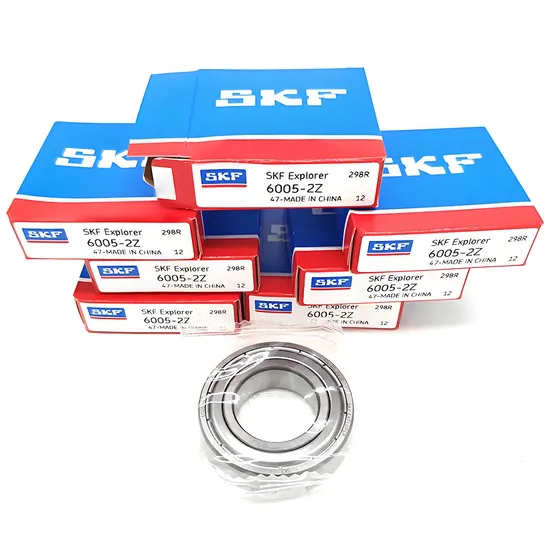
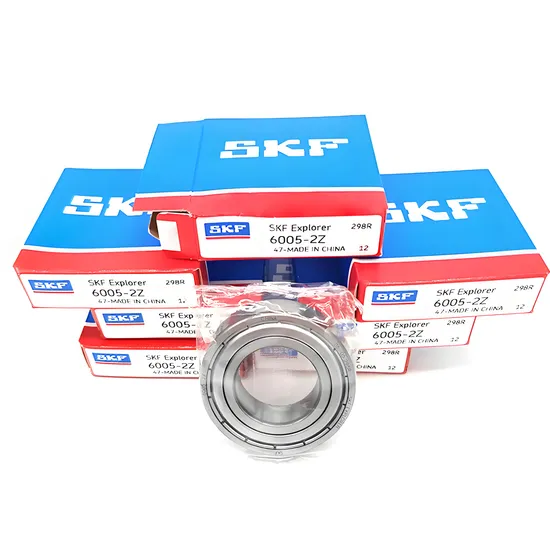
Ensuring authenticity starts with demanding original packaging and verifying security features. Most premium brands like FAG, SKF, and NSK have specific holograms, QR codes, or batch numbers that can be verified through their official channels. [NEED_CITE: Anti-counterfeit measures used by major bearing manufacturers] Always request photos of the actual product and packaging before shipment to check for these security features.
Traceability extends beyond the product itself to the supply chain. A reputable supplier should be able to provide a clear chain of custody, showing where the products were sourced and how they were stored. This includes proper storage conditions to prevent corrosion or damage before delivery. [NEED_CITE: Best practices for storing and handling precision bearing accessories]
In one instance, a buyer received a shipment of withdrawal sleeves that appeared genuine but failed during installation due to poor thread quality. Upon investigation, it was discovered that the supplier had sourced the parts from an unauthorized distributor. The lack of proper traceability made it impossible to claim warranty or seek recourse. This highlights the importance of buying only from authorized or highly vetted suppliers who can guarantee the origin and integrity of their stock.
Regular audits and supplier assessments can help maintain high standards of authenticity. Requesting periodic third-party inspection reports or visiting the supplier’s facility can provide additional confidence in the quality and legitimacy of the products being purchased.
Conclusion
Precision matters more than price in railway maintenance.
Sourcing withdrawal sleeves for Italian rail fleets demands a rigorous approach to technical compliance, favoring UIC standards over generic ISO equivalents. By verifying dimensions, leveraging multi-brand consolidation, and ensuring strict authenticity, procurement managers can avoid costly fitment errors and optimize total landed costs. Success lies in treating these components as critical safety elements rather than commodity items.