
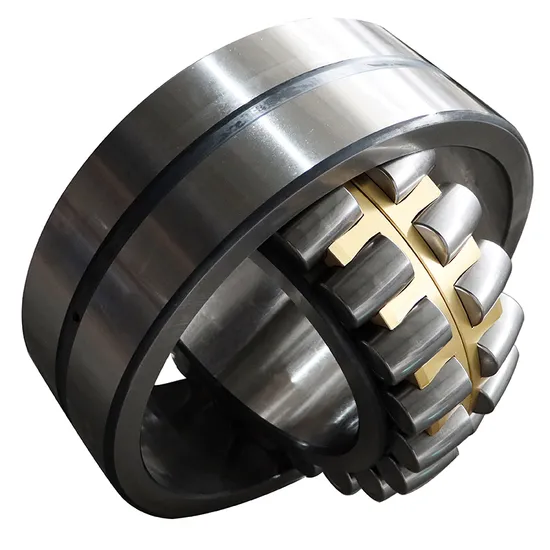
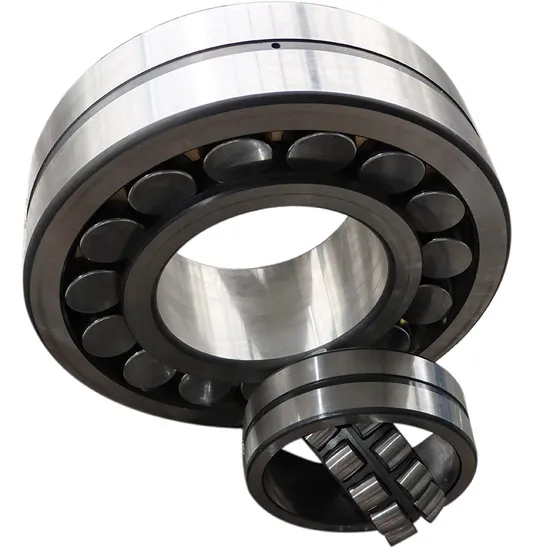
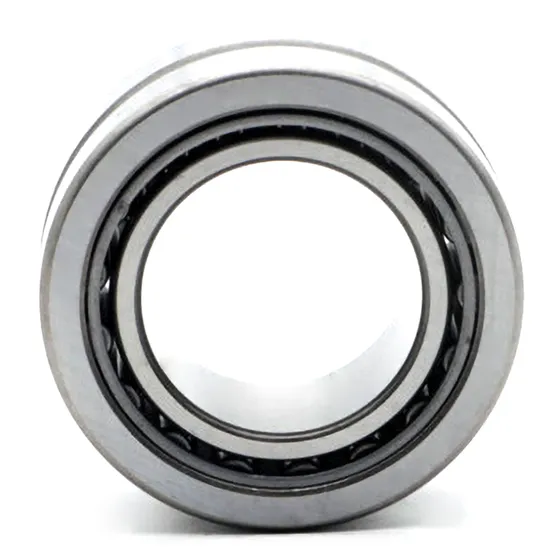
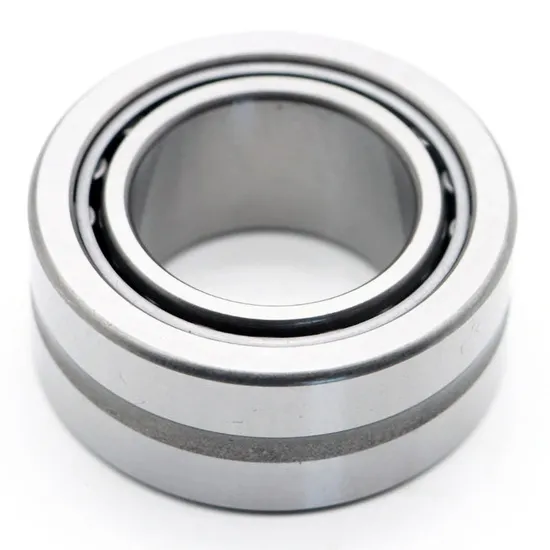
Linear Bearing Certificate of Origin for India Export Wholesale
A Certificate of Origin is not a mere formality; it is the primary document Indian customs uses to verify tax liability and anti-dumping compliance.
For linear bearing exports to India, the Certificate of Origin must strictly match the commercial invoice and bill of lading in every character, including punctuation and address abbreviations. Any discrepancy, no matter how minor, will result in cargo detention at ports like Nhava Sheva or Mumbai, leading to significant demurrage charges and clearance delays.
Having spent years moving from logistics documentation to trade management, I have seen countless shipments of precision components held up not because of quality issues, but due to administrative inconsistencies. The Indian customs framework treats the Certificate of Origin as a critical verification tool for determining the correct duty structure, particularly for industrial components like linear bearings which may be subject to specific trade remedies or preferential tariff treatments under various free trade agreements. [NEED_CITE: Indian Customs guidelines on documentary evidence for preferential tariff claims] A simple typo in the consignee’s name or a mismatched HS code can trigger a manual examination process that halts the entire supply chain.
Understanding the gravity of this document requires looking beyond its surface appearance. It is not just a piece of paper with a chamber of commerce seal; it is a legal declaration of where the goods were manufactured. For buyers sourcing linear bearings from global suppliers, ensuring this document is flawless is as important as verifying the dimensional tolerance of the bearings themselves.
Why is the Certificate of Origin Critical for India?
Many importers assume that the Certificate of Origin is merely a procedural requirement for statistical purposes. This is a dangerous misconception. In the context of Indian customs, the Certificate of Origin serves as the foundational document for assessing the true origin of goods, which directly impacts the applicable duty rate. [NEED_CITE: Role of Certificate of Origin in Indian customs duty assessment] For linear bearings, which are essential components in automation, machinery, and heavy equipment, the origin determines whether the shipment qualifies for reduced duties under bilateral trade agreements or if it is subject to standard most-favored-nation rates.
Furthermore, Indian authorities have intensified scrutiny on imports to prevent duty evasion and ensure compliance with anti-dumping measures. If the origin declared on the Certificate of Origin does not align with the manufacturing source indicated in other shipping documents, customs officers may suspect misdeclaration. This can lead to a thorough investigation, requiring additional third-party verification or even laboratory testing to confirm the material composition and origin of the linear bearings. Such interventions are time-consuming and costly, often resulting in storage fees that accumulate daily.
The critical nature of this document is also tied to the regulatory environment surrounding industrial imports. India has specific standards and certification requirements for certain mechanical components. While the Certificate of Origin itself does not certify quality, it links the product to a specific manufacturing jurisdiction, which customs may cross-reference with known compliance records. A discrepancy here can raise red flags about the authenticity of the entire shipment, prompting a deeper audit of the supplier’s credentials and the buyer’s import history.
For distributors and OEMs, the risk is not just financial but operational. Delayed clearance means delayed production schedules, missed delivery deadlines to end-users, and potential contractual penalties. Therefore, treating the Certificate of Origin with the same rigor as technical specifications is essential for maintaining a resilient supply chain.
What Are the Common Rejection Reasons at Indian Ports?
Rejections at Indian ports are rarely random; they follow predictable patterns rooted in data inconsistency. The most frequent cause of clearance failure is a mismatch between the Certificate of Origin and the Bill of Lading or Commercial Invoice. Customs systems in India are increasingly digitalized, and automated checks flag even minor deviations. For instance, if the consignee’s address on the Certificate of Origin abbreviates "District" as "Dist." while the Bill of Lading spells it out fully, the system may reject the document as inconsistent. [NEED_CITE: Common discrepancies leading to customs rejection in India]
Another common issue involves the HS Code classification. Linear bearings fall under specific harmonic system codes, and any variation between the code listed on the Certificate of Origin and the one declared on the import manifest can trigger a query. Customs officers may question whether the goods described match the origin claimed, especially if the HS code suggests a different type of bearing or a different level of processing. This often leads to physical inspections, where officers verify the markings on the linear bearings against the documentation.
Stamping and signature validity is another frequent pitfall. The Certificate of Origin must bear the official stamp and signature of the issuing authority, such as a Chamber of Commerce. If the stamp is faint, incomplete, or does not match the registered sample on file with the Indian embassy or consulate, the document is deemed invalid. In some cases, electronic certificates are accepted, but the digital signature must be verifiable through the issuing platform. Failure to ensure the clarity and authenticity of these endorsements can result in immediate rejection.
| Error Type | Description | Impact on Clearance |
|---|---|---|
| Address Mismatch | Minor differences in consignee address formatting (e.g., abbreviations vs. full words) | High risk of manual review and delay |
| HS Code Discrepancy | Different HS codes on CO vs. Bill of Lading | Triggers physical inspection and potential reclassification |
| Invalid Stamp/Signature | Faint, missing, or unverified stamp/signature on the CO | Document rejected as invalid, requiring re-issuance |
| Missing Legal Entity Name | Incomplete company name or legal status (e.g., Pvt Ltd vs. Limited) | Questions on importer legitimacy and duty liability |
A case from a European distributor illustrates this point. A shipment of linear bearings was held at Nhava Sheva port because the Certificate of Origin listed the manufacturer’s city without the state name, while the commercial invoice included it. Although seemingly trivial, this inconsistency prevented the customs broker from matching the documents in the system, leading to a detention period of over ten days. The resulting demurrage charges exceeded the cost of the freight itself.
These examples highlight that precision in documentation is non-negotiable. Buyers must ensure that every detail on the Certificate of Origin mirrors exactly what is stated in their purchase order and shipping instructions.
How to Verify Your CO Before Shipment?
Preventing clearance issues begins with rigorous pre-shipment verification. As a supplier who has navigated these complexities, I recommend a systematic checklist approach to validate the Certificate of Origin before it is finalized. This process should involve cross-referencing the CO against the Proforma Invoice, Commercial Invoice, and Packing List.
First, verify the consignee details. Ensure that the name, address, and contact information on the Certificate of Origin match exactly with the Bill of Lading. Pay attention to punctuation, spacing, and abbreviations. Even a missing comma or a different abbreviation for "Street" or "Road" can cause issues. It is advisable to request a draft of the Certificate of Origin from the issuer and share it with the buyer’s customs broker for preliminary approval.
Second, check the HS Code. Confirm that the HS Code listed on the Certificate of Origin corresponds to the specific type of linear bearing being shipped. Linear bearings may have different codes depending on their design, size, and application. Ensure that this code aligns with the classification used by the buyer for import duty purposes. Discrepancies here can lead to reclassification and higher duties.
Third, inspect the issuing authority’s stamp and signature. Ensure that the stamp is clear, legible, and matches the official format required by the Indian customs authorities. If the certificate is issued electronically, verify that the digital signature is valid and that the document can be authenticated online through the issuing platform’s verification tool.
Finally, confirm the description of goods. The term "linear bearing" should be clearly stated, along with any relevant model numbers or specifications if required by the buyer. Avoid vague descriptions that could lead to ambiguity during customs examination. The description should be consistent with the commercial invoice and packing list.
In our operations, we provide a pre-shipment document review service for our clients. This involves a final check of all shipping documents, including the Certificate of Origin, to ensure zero errors. This proactive step has significantly reduced clearance delays for our customers importing linear bearings into India and other stringent markets.
What If Your Goods Get Stuck in Customs?
Despite best efforts, goods may still face detention at Indian customs. In such scenarios, having a clear emergency protocol is crucial. The first step is to identify the exact reason for the hold. Customs will usually issue a notice specifying the discrepancy or missing information. Engage immediately with your customs broker to interpret this notice and determine the required corrective action.
If the issue is a minor documentation error, such as a typo in the address, it may be possible to submit a corrected document or a letter of explanation from the exporter. However, this process can take time, and demurrage charges will continue to accrue. In some cases, customs may allow the release of goods against a bank guarantee or bond, pending the submission of corrected documents. This option should be explored if the delay is expected to be prolonged.
For more serious issues, such as questions about the origin or value of the linear bearings, a physical inspection may be required. Prepare for this by ensuring that the goods are easily accessible and that the packaging labels match the documentation. Provide any additional supporting documents, such as mill test certificates, quality control reports, or proof of payment, to substantiate the declaration.
| Scenario | Recommended Action | Expected Timeline |
|---|---|---|
| Minor Typo/Mismatch | Submit corrected document or explanatory letter | Several days to a week |
| HS Code Dispute | Provide technical datasheets and classification ruling | One to two weeks |
| Origin Verification | Submit additional proof of manufacture and supply chain docs | Two to four weeks |
| Physical Inspection | Coordinate with broker for exam and provide access | Few days to a week |
Communication is key. Keep the buyer informed about the status and the steps being taken. Transparency helps manage expectations and maintains trust. In one instance, a shipment of linear bearings was held due to a query about the manufacturer’s address. By providing a notarized affidavit from the manufacturer and a detailed supply chain map, we were able to resolve the issue within a week, avoiding further escalation.
It is also important to review the incident post-clearance to identify root causes and prevent recurrence. Update internal processes and checklists based on lessons learned. This continuous improvement approach ensures that future shipments are less likely to face similar hurdles.
Conclusion
The Certificate of Origin is a pivotal document for the successful export of linear bearings to India, demanding absolute precision and consistency.
Ensuring that this document aligns perfectly with all other shipping papers prevents costly delays and demurrage charges. By understanding the common pitfalls and implementing rigorous verification steps, buyers and suppliers can safeguard their supply chains against administrative disruptions. Attention to detail in documentation is as critical as the quality of the bearings themselves.