
Auto Wheel Bearing MSDS & Compliance Docs for Export Wholesale
Most importers assume wheel bearings are just metal parts that do not require chemical safety documentation. This misconception is the primary cause of customs detention and unexpected demurrage charges at major ports. To clear auto wheel bearings through customs without delay, you must provide a Material Safety Data Sheet (MSDS) that accurately reflects the specific lubricant grease sealed inside the bearing, along with region-specific compliance certificates such as INMETRO for Brazil or GCC for the Middle East. Generic templates or missing regional certifications will result in cargo rejection.
I learned this the hard way while managing shipments from Qingdao to Santos Port. A full container of automotive wheel bearings arrived only to be held for weeks because the CAS number on the provided MSDS did not match the actual lithium-based grease used in the seals. The lack of an INMETRO certification compound the issue, turning a routine delivery into a financial drain. [NEED_CITE: common causes of customs detention for automotive parts in South America] Since then, I have treated every document as a critical component of the product itself.
Understanding why these documents matter is the first step toward smoother logistics. The following sections break down the specific requirements and common pitfalls based on real-world export scenarios.
Why Do Auto Wheel Bearings Need an MSDS for Export?
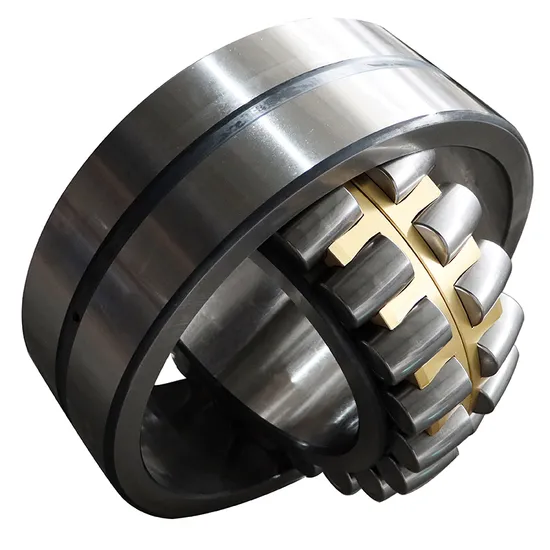
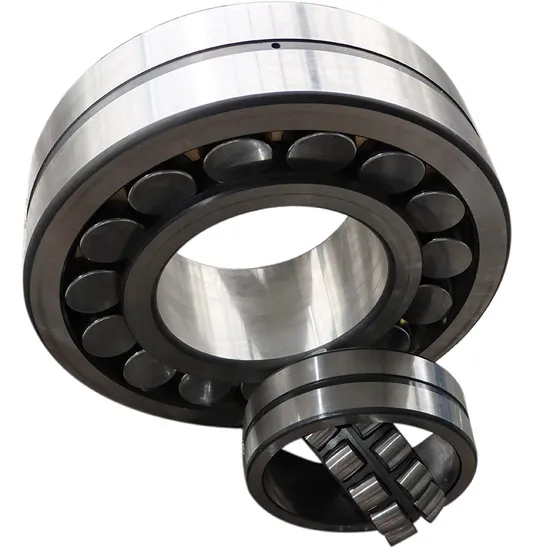
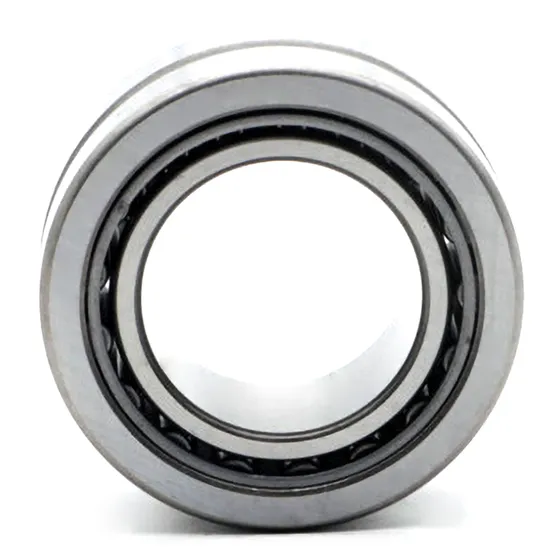
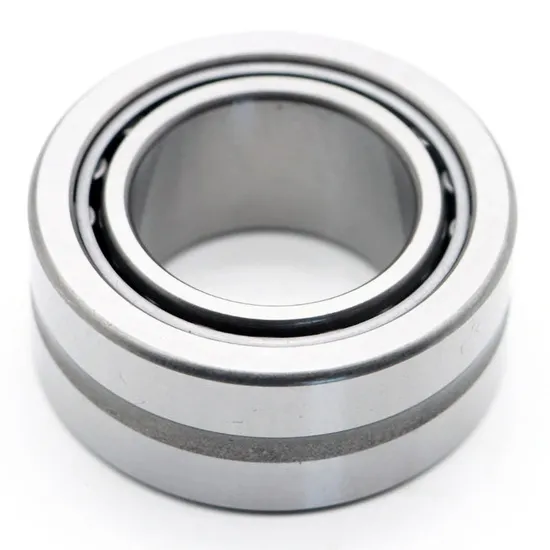
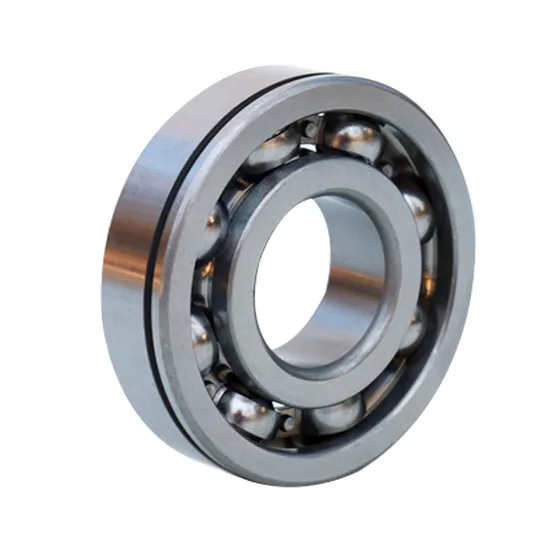
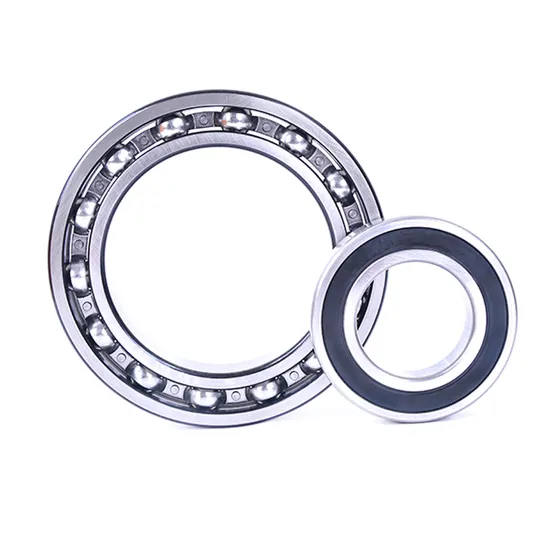
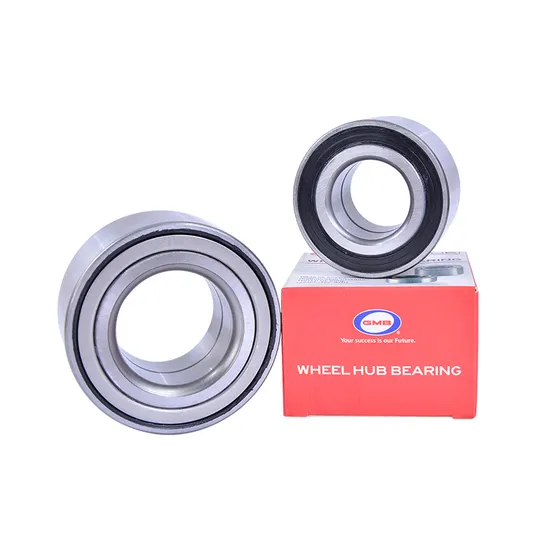
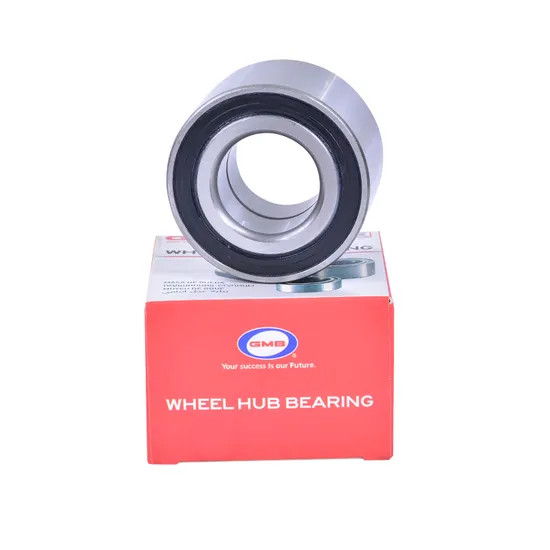
The requirement for an Auto Wheel Bearing MSDS stems from the chemical nature of the lubricant sealed within the bearing unit, not the metal components themselves. While the outer ring, inner ring, and rolling elements are steel, modern auto wheel bearings are pre-lubricated and sealed for life. This grease is classified as a chemical substance under international transport regulations, necessitating safety documentation for air, sea, and land freight.
Many buyers overlook this because they view bearings purely as mechanical hardware. However, customs authorities and carriers focus on the potential hazards of the enclosed grease, especially if it contains lithium complexes or other additives. [NEED_CITE: international maritime dangerous goods code classification for lubricated mechanical parts] If the MSDS is missing or generic, carriers may refuse loading, or customs may flag the shipment for further inspection, assuming undeclared hazardous materials.
In my experience, the most frequent error is using a standard template that does not specify the exact grease brand and composition used by the bearing manufacturer. For instance, if a supplier switches grease suppliers but fails to update the MSDS, the CAS numbers listed will not match the physical product. This discrepancy is easily detected during random inspections or when local safety officers verify the inventory.
Ensuring the Auto Wheel Bearing MSDS matches the physical product is not just about compliance; it is about verifying the supply chain’s attention to detail. A mismatch suggests broader quality control issues that could affect bearing performance. Therefore, requesting an updated, product-specific MSDS should be part of your initial supplier qualification process.
What Are the Critical Compliance Documents for Different Regions?
Export compliance is not one-size-fits-all; each target market has distinct certification requirements that must be met before shipment. Failing to secure these documents in advance leads to immediate rejection at the port of entry. The Auto Wheel Bearing MSDS is universal, but regional certifications like INMETRO, GCC, or REACH declarations are mandatory for specific destinations.
For South American markets, particularly Brazil, the INMETRO certification is non-negotiable for automotive safety components. Without it, even with a perfect MSDS, the cargo cannot clear customs. Similarly, Middle Eastern countries such as Saudi Arabia and the UAE require GCC conformity marks or SASO certificates, often accompanied by a RoHS declaration to ensure no restricted substances are present. [NEED_CITE: GCC standardization organization requirements for automotive spare parts]
European imports demand strict adherence to REACH and RoHS regulations. The European Chemicals Agency (ECHA) regularly updates the list of Substances of Very High Concern (SVHC). If your Auto Wheel Bearing MSDS lists an outdated SVHC status, your client may face legal liabilities upon resale.
| Region | Primary Certification | Key Document Requirement | Risk Level if Missing |
|---|---|---|---|
| Brazil | INMETRO | Technical file + Local representative | Critical (Cargo Rejection) |
| Middle East | GCC/SASO | Conformity Certificate + RoHS | High (Customs Detention) |
| European Union | REACH/RoHS | SVHC Declaration + Updated MSDS | Medium (Market Ban) |
| North America | DOT/SAE | Self-certification + MSDS | Low (Post-market Audit) |
A European distributor once faced a complete inventory freeze because their supplier’s REACH declaration was six months out of date. The new SVHC list had added a compound present in the bearing grease. Although the physical bearings were safe, the paperwork failure prevented them from selling the stock. [NEED_CITE: ECHA SVHC candidate list update frequency and impact on supply chains]
When sourcing, always ask for the current validity period of these certificates. An expired INMETRO or GCC certificate is as good as none. Integrating these checks into your procurement workflow ensures that the Auto Wheel Bearing MSDS and accompanying certs form a complete compliance package.
Common Pitfalls in Bearing Export Documentation
The most costly mistakes in export documentation arise from data inconsistency between the MSDS, commercial invoice, and physical product labels. Customs officers are trained to cross-reference these documents. A minor discrepancy, such as a different batch number or a mismatched chemical name, can trigger a full inspection.
One prevalent pitfall is the "generic MSDS" trap. Suppliers often provide a single MSDS for all bearing types, ignoring that different series may use different greases. For example, high-temperature bearings might use polyurea grease, while standard units use lithium complex. Using the wrong MSDS for a specific SKU is a direct violation of safety reporting standards. [NEED_CITE: best practices for chemical safety data sheet accuracy in manufacturing]
Another common issue is the omission of the harmonized system (HS) code explanation in supporting docs. While the HS code itself is on the invoice, some regions require a breakdown of the material composition to justify the classification. If the Auto Wheel Bearing MSDS indicates a high percentage of hazardous chemicals, but the HS code suggests a simple mechanical part, authorities may suspect misclassification to avoid duties.
I recall a shipment to Jeddah Port where the RoHS declaration was present but lacked the specific test report reference numbers. The customs broker could not verify the authenticity of the claim, leading to a two-week delay while the supplier scrambled to send certified lab results from China. The demurrage costs exceeded the profit margin of the entire order.
To avoid these pitfalls, treat the Auto Wheel Bearing MSDS as a living document. Verify that the revision date is recent and that the contact information for emergency response is valid. Inconsistencies here signal a lack of professional rigor that often extends to product quality.
How to Verify Your Supplier’s Compliance Package?
Verifying compliance requires a systematic cross-check of the MSDS against physical product specifications and regional certificates. Do not accept documents at face value. A robust verification process involves three key steps: checking chemical consistency, validating certificate authenticity, and ensuring document alignment.
First, compare the CAS numbers in Section 3 of the Auto Wheel Bearing MSDS with the technical data sheet (TDS) provided by the grease manufacturer. If the bearing supplier cannot provide the TDS from the grease maker, be cautious. Legitimate manufacturers maintain traceability for all raw materials. [NEED_CITE: importance of raw material traceability in automotive supply chains]
Second, validate regional certificates through official online portals where available. For INMETRO, check the certificate number against the Brazilian government database. For GCC, verify the conformity mark with the relevant notified body. Fake certificates are surprisingly common, and a quick online check can save significant trouble.
Third, ensure that the product description on the MSDS matches the commercial invoice and packing list exactly. The model numbers, brand names, and country of origin must be identical across all documents. Any variation, even a typo, can raise red flags during automated customs screening.
| Verification Step | Action Item | Tool/Source |
|---|---|---|
| Chemical Consistency | Match CAS numbers in MSDS with Grease TDS | Supplier’s Raw Material Records |
| Certificate Authenticity | Validate cert number on official government portal | INMETRO/GCC/SASO Online Databases |
| Document Alignment | Cross-check model numbers and descriptions | Invoice vs. MSDS vs. Packing List |
We support our partners by providing fully traceable documentation packages. This includes original manufacturer MSDS files and assistance in securing necessary regional certifications. Our team reviews every document set before shipment to ensure that the Auto Wheel Bearing MSDS and all related papers are consistent and compliant. This proactive approach minimizes the risk of port detention and ensures smooth clearance.
By implementing these verification steps, you transform compliance from a bureaucratic hurdle into a competitive advantage. Reliable documentation builds trust with customs authorities and end-users, facilitating faster turnover and repeat business.
Conclusion
Compliance documentation is as critical as the bearing itself for successful international trade. Ensuring that your Auto Wheel Bearing MSDS is accurate, up-to-date, and aligned with regional certifications like INMETRO or GCC prevents costly delays and protects your profit margins. Attention to detail in these documents reflects the overall quality and reliability of your supply chain.