SKF QR Code Check: Authenticity Verification Wholesale Supplier
Scanning a QR code on an SKF bearing box does not guarantee the product is genuine.
A proper SKF QR code check is only the first step in a multi-layer verification process that includes inspecting packaging details, cross-referencing batch codes, confirming country-of-origin markings, and validating the supplier through SKF’s authorized distributor network. Relying solely on a phone scan leaves buyers exposed to sophisticated counterfeits that replicate digital redirects.
I still remember standing inside a cement plant near Riyadh, watching a maintenance supervisor scan a QR code on a pallet of SKF 22320 spherical roller bearings. The phone browser loaded a page—complete with the SKF logo, product photos, and a green checkmark. Everyone in the room relaxed. Then I asked him to read the URL aloud. It was a Polish domain, not SKF’s official verification portal. The entire batch—multiple pallets, full order quantity—was flagged on the spot. That shipment had come through a trader who claimed "authorized agent" status, priced noticeably below market. When we pulled the seals and inspected the cages under portable light, the material finish was visibly inconsistent. We brought in a handheld spectrometer on the next trip and confirmed the alloy composition did not match SKF’s standard specifications [NEED_CITE: SKF anti-counterfeiting technical guidelines for bearing material verification]. That experience shaped how I approach every SKF QR code check request from buyers across the Gulf, North Africa, and Latin America.
Let me walk you through what the QR code actually does, what it cannot do, and the full verification workflow that separates genuine sourcing from costly mistakes.
What Does the SKF QR Code Actually Tell You?
The SKF QR code is a hyperlink to SKF’s online verification page—it is not a cryptographic seal or a tamper-proof authentication marker.
When you scan a genuine SKF QR code, your device should redirect to SKF’s official domain and display product information tied to that specific batch. The system was introduced as part of SKF’s broader anti-counterfeiting initiative to give end users a quick digital reference point [NEED_CITE: SKF brand protection program overview and digital verification rollout]. However, here is what most buyers miss during a routine SKF QR code check:
- Domain verification matters more than the scan result. Counterfeiters have learned to print QR codes that redirect to cloned websites designed to mimic SKF’s verification interface. The page may look authentic, display correct product images, and even show a "genuine" confirmation message—but the URL belongs to a third-party server.
- Data accuracy must be cross-referenced. Even if the domain is correct, the batch number displayed on the verification page should match the batch number printed on the bearing label and the inner packaging. A mismatch indicates the code was copied from a genuine product and pasted onto counterfeit packaging.
- QR codes can be reproduced. High-quality counterfeits now include functional QR codes that link to the real SKF verification page—but they use batch data stolen from legitimate products. One code may appear on dozens of fake boxes across different markets.
| Verification Aspect | Genuine SKF Product | Sophisticated Counterfeit | Basic Counterfeit |
|---|---|---|---|
| QR Code Redirect Domain | Official SKF domain | Cloned lookalike domain | Broken link or generic page |
| Batch Code Consistency | Matches label, box, and inner pack | Copied from real batch, inconsistent across units | Random or missing batch data |
| Verification Page Data | Complete product and origin info | Partial or duplicated data | No data or error message |
| Physical Label Alignment | Laser-etched or precision-printed | Inkjet or offset print, slight misalignment | Hand-applied or poorly aligned |
This table reflects the progression of counterfeit sophistication I have observed across multiple regions. A basic SKF QR code check catches only the lowest tier of fakes.
During a site visit to a mining operation in Central Asia, a maintenance team showed me two boxes of SKF 6305 deep groove ball bearings. Both had QR codes. Both scanned successfully. But one box had a batch code prefix that did not correspond to any known SKF production facility for that product line [NEED_CITE: SKF batch code structure and factory prefix identification]. The QR code itself was functional—it redirected to the real SKF site—because the counterfeiter had copied a valid code from a genuine box and printed it hundreds of times. Without checking the batch code against SKF’s production records, the team would have installed those bearings into critical conveyor drives.
How to Verify SKF Bearings Beyond the QR Code?
A reliable SKF QR code check must be followed by physical inspection of packaging, label details, and internal component markings—these are the layers counterfeiters struggle to replicate consistently.
After the QR scan, I run through a structured verification sequence that I developed from years of field audits and buyer consultations. Each step addresses a different vulnerability in the counterfeit supply chain.
Step 1: Inspect the outer packaging quality.
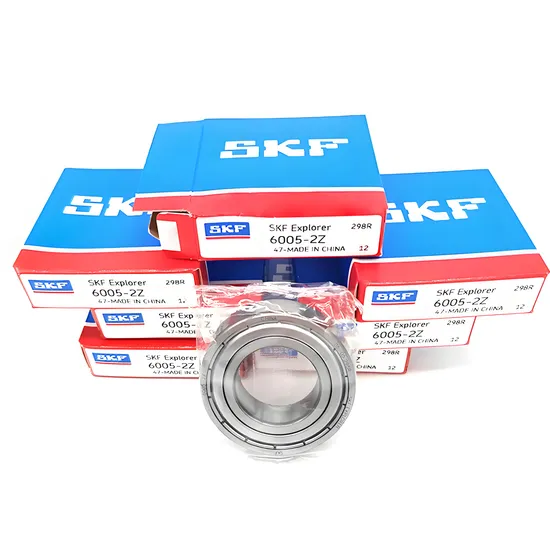
Genuine SKF packaging uses high-resolution printing with sharp text, consistent color tones, and precise die-cut edges. Counterfeit boxes often show slight color shifts, blurred fonts on small text, or uneven glue seals. Pay close attention to the SKF logo placement and the font weight on the product description line.
Step 2: Verify the label information hierarchy.
Every genuine SKF bearing label includes the brand name, product designation, country of origin, batch number, and barcode or QR code. The country-of-origin marking must align with SKF’s known manufacturing footprint [NEED_CITE: SKF global manufacturing facility locations and country-of-origin labeling standards]. If a label reads "Made in Sweden" but the product designation is one that SKF only produces at its facilities in China or India, that is a red flag.
Step 3: Cross-check the batch code.
The batch code encodes production date and facility information. During a SKF QR code check, compare the batch code on the label with what appears on the verification page. Then compare it with any secondary markings on the inner packaging or the bearing itself. Inconsistencies across these three points are a strong indicator of tampering.
Step 4: Examine the bearing markings.
Genuine SKF bearings have the brand name and product designation marked on the ring faces using laser etching or controlled dot-peen methods. The characters are uniform, deep, and cleanly defined. Counterfeit markings are often shallow, uneven, or applied with ink that can be partially removed with solvent.
Step 5: Inspect internal components if possible.
The cage design, seal lip finish, and grease appearance are difficult for counterfeiters to replicate at scale. SKF uses specific cage materials and geometries depending on the product series [NEED_CITE: SKF cage material specifications by bearing series]. A cage that looks stamped from thin, uneven sheet metal when the genuine version uses a precision-machined polyamide or brass cage is a clear warning sign.
I applied this full sequence for a distributor in West Africa who received a mixed shipment of SKF 32218 tapered roller bearings. The QR codes scanned fine. But the label font on the origin line was noticeably thinner than what we had on file from previous genuine orders. The batch code format did not match SKF’s standard structure for that product family. And when we opened two units, the roller surface finish was rougher than expected—visible even without magnification. The supplier could not provide a traceable authorization chain when we requested it. The entire shipment was returned.
What Are the Most Common Signs of Fake SKF Bearings?
The most dangerous fake SKF bearings are not the ones with obvious packaging errors—they are the ones that pass a superficial SKF QR code check and only reveal their flaws under detailed inspection.
Based on field investigations and industry data, counterfeit bearings in the industrial market follow recognizable patterns [NEED_CITE: global bearing industry counterfeiting trend reports and seizure data summaries]. Here are the most common indicators I look for during a verification audit:
Redirect to unofficial domains.
As mentioned earlier, this is the most critical digital red flag. During a SKF QR code check, always verify that the browser address bar shows SKF’s official domain. Bookmark the genuine verification URL beforehand so you have a reference.
Inconsistent or illogical batch codes.
Genuine SKF batch codes follow a structured format tied to production facilities and date ranges. Counterfeiters often generate random alphanumeric strings or copy codes from unrelated product lines. If the batch code on the box does not match the code etched on the bearing ring, the product is suspect.
Country-of-origin mismatches.
SKF manufactures specific product families at designated facilities. A label claiming origin from a country where SKF does not produce that particular bearing type is a strong counterfeit signal [NEED_CITE: SKF product-to-factory origin mapping guidelines].
Poor internal finish and material quality.
When counterfeit bearings are disassembled, the raceway surfaces, roller profiles, and cage structures often show visible deviations from genuine specifications. Surface roughness is higher, heat treatment coloration is inconsistent, and cage rivet alignment is imprecise.
Missing or incomplete documentation.
Genuine SKF shipments are accompanied by certificates of conformity, material traceability references, and distributor authorization documentation. Counterfeit suppliers typically provide self-generated certificates or no documentation at all.
A buyer in the Middle East once purchased a large quantity of SKF 6206 bearings for a pump repair project. The packaging looked acceptable. The QR codes scanned to what appeared to be the SKF site. But during installation, the maintenance technician noticed the bearings felt rougher than expected during hand-rotation. We pulled samples and ran a dimensional check—the internal clearance values were outside SKF’s standard C3 range specifications [NEED_CITE: SKF internal clearance classification standards for deep groove ball bearings]. The cages were stamped from material that was visibly thinner than genuine SKF polyamide cages. Those bearings would have failed prematurely under operational load.
How to Source Genuine SKF Bearings Safely?
The most effective SKF QR code check is one that starts before the purchase—by verifying the supplier’s authorization status and demanding traceable documentation before any payment is made.
Sourcing genuine SKF bearings requires a proactive approach to supply chain validation. Here is the workflow I recommend to every buyer I work with, whether they are purchasing for their own maintenance operations or reselling through distribution channels:
Verify authorized distributor status through SKF’s official channels.
SKF maintains a published list of authorized distributors by region and country. Before placing an order, confirm that your supplier appears on this list [NEED_CITE: SKF authorized distributor verification portal and regional directory]. If the supplier claims authorization but is not listed, request written proof of their authorization chain back to SKF or a SKF-appointed master distributor.
Request full traceability documentation before shipment.
Genuine SKF products come with batch-level traceability. Ask your supplier to provide the batch code, country of origin, and a certificate of conformity for each product line in your order. A legitimate supplier will provide this without hesitation. If they delay, offer partial information, or provide documents that look self-generated, proceed with caution.
Use a verification-first procurement process.
When working with a new supplier, order a small test batch first. Run the full SKF QR code check and physical inspection sequence described above before committing to a larger order. This approach has saved multiple buyers from full-container counterfeit shipments.
Work with sourcing partners who specialize in authenticity verification.
Not all bearing suppliers invest in the infrastructure required to verify product authenticity at scale. Partners who maintain direct relationships with authorized distributors, keep verification tools and reference samples on hand, and offer pre-shipment inspection services significantly reduce your counterfeit exposure. Our team provides pre-shipment authenticity verification, authorized-channel sourcing, and cross-brand interchange support—so if a specific SKF designation has extended lead times, we can identify validated alternatives from NSK, FAG, TIMKEN, NTN, or KOYO with full documentation.
A European MRO operator recently contacted us after receiving a shipment of SKF 22320 bearings from an online marketplace. The price had been attractive. The QR codes scanned. But the operator’s quality team flagged inconsistencies in the label printing during incoming inspection. We ran a full verification: the domain was correct, but the batch code structure did not align with SKF’s format for that production period. We sourced replacement units through verified authorized channels, provided complete traceability documentation, and delivered within the operator’s required timeline. The original supplier was later identified as part of a network distributing counterfeit bearings across multiple European markets.
Conclusion
A SKF QR code check is a useful starting point, but it is not a substitute for comprehensive authenticity verification. Genuine SKF bearing sourcing requires cross-referencing digital scan results with physical packaging inspection, batch code validation, origin marking confirmation, and authorized distributor verification. Counterfeiters have adapted to digital checks—your verification process must go further. Build authentication into your procurement workflow, not after the shipment arrives.