How to Spot Fake NTN Bearings: What to Look For
Most buyers think checking the box is enough to spot counterfeits. It isn’t. High-quality fakes now replicate packaging almost perfectly — the real tells hide on the bearing itself.
To identify fake NTN bearings, inspect four layers: outer packaging print quality and hologram placement, laser etching depth and font on the ring end face, cage rivet count and spacing pattern, and inner ring marking position and format. Counterfeiters rarely get all four right.
Back when I worked at a motor repair shop in Dongguan, I tore down hundreds of seized bearings. Most of the time, the failure wasn’t the application — it was the bearing itself. Later, when I moved into export sales, I kept seeing the same pattern: clients ordering what they believed were genuine NTN units, only to have them fail within months. One Indonesian client complained that a batch of 6205 bearings disintegrated in under three months of normal operation. He shipped the old pieces back, and the moment I held them, the problem was obvious. The "laser" marking on the outer ring end face was actually ink-jet — you could scratch it off with a fingernail. The cage rivet spacing was uneven, and the inner ring part number was stamped in a position that didn’t match the standard layout. That entire batch had come from a domestic trader claiming to be an authorized channel. Since then, I’ve made it my job to verify every shipment, and the details on the bearing itself never lie. [NEED_CITE: root cause distribution of premature bearing failures linked to counterfeit products per industry field studies]
Let’s walk through each verification layer.
Why Are Fake NTN Bearings So Common in the Market?
Counterfeiting thrives where brand premiums meet weak supply-chain visibility, and NTN is a frequent target because of its widespread use in industrial motors, automotive systems, and heavy machinery across multiple regions.
The incentive structure is straightforward. Genuine NTN bearings carry a price premium over unbranded alternatives, and that gap creates margin for counterfeiters. Unauthorized traders source from gray-market channels where provenance is unverifiable, and buyers — especially those purchasing online or through new suppliers — have limited means to confirm authenticity before delivery. [NEED_CITE: global customs seizure data on counterfeit bearing imports by brand frequency]
From what I’ve observed in trade, the problem isn’t just the fakes themselves — it’s the channels that enable them. A distributor may genuinely believe they’re selling authentic product because their upstream supplier provided paperwork that looks legitimate. But paperwork is easy to forge. The physical bearing is much harder to replicate across all markers simultaneously.
Another misconception: many buyers assume that a low price automatically means a fake. That’s not always true. Some authorized distributors liquidate slow-moving inventory at reduced prices, and those units are perfectly genuine. The real indicator isn’t the unit price — it’s whether the supply chain back to the manufacturer is traceable and verifiable. [NEED_CITE: authorized distributor verification procedures recommended by bearing industry associations]
I once worked with a buyer in the Middle East who had been purchasing NTN bearings at prices well below market average. When we ran a full verification on a sample batch, the packaging was convincing at first glance, but the batch code format didn’t match the manufacturer’s standard structure, and the QR code on the box linked to a generic tracking page rather than the official verification system. The bearings inside showed inconsistent etching depth. The low price wasn’t a deal — it was a red flag that nobody had bothered to check.
What Does Genuine NTN Packaging Look Like?
Authentic NTN packaging uses specific hologram placement, controlled font weight, standardized batch code formatting, and functional QR codes that link to official verification — counterfeit packaging often fails on two or more of these points.
When you receive a shipment, the first check is visual. Genuine NTN boxes use consistent print quality with sharp edges on all text and logos. Counterfeit boxes often show slightly blurred characters, especially on smaller text like the part number and quantity indicators. [NEED_CITE: official NTN packaging specification guidelines for authorized distributors]
| Feature | Genuine NTN Packaging | Suspect / Counterfeit Packaging |
|---|---|---|
| Hologram placement | Fixed position, consistent orientation | Shifted, tilted, or missing entirely |
| Font weight and clarity | Uniform, sharp edges | Uneven weight, slight blurring on small text |
| Batch code format | Standardized structure matching manufacturer records | Irregular format, missing characters |
| QR code function | Links to official verification system | Links to generic page or fails to scan |
| Seal printing alignment | Precise, centered | Misaligned, off-center, or smudged |
A distributor I worked with in Southeast Asia received a batch where the font weight on the box seal was noticeably heavier than what he’d seen on previous genuine orders. The QR code scanned, but it led to a third-party logistics page instead of the manufacturer’s verification portal. The hologram was present but positioned slightly lower than standard. Individually, any one of these might be dismissed as a printing variation. Together, they formed a clear pattern. [NEED_CITE: packaging authentication features used by major bearing manufacturers]
The key takeaway: packaging alone is necessary but not sufficient. A convincing box doesn’t guarantee a genuine bearing inside, but a box with multiple discrepancies almost certainly contains one.
How to Verify Laser Etching and Ring Markings?
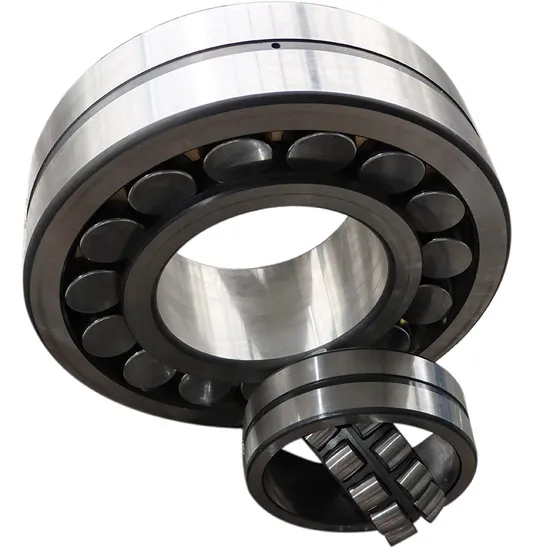
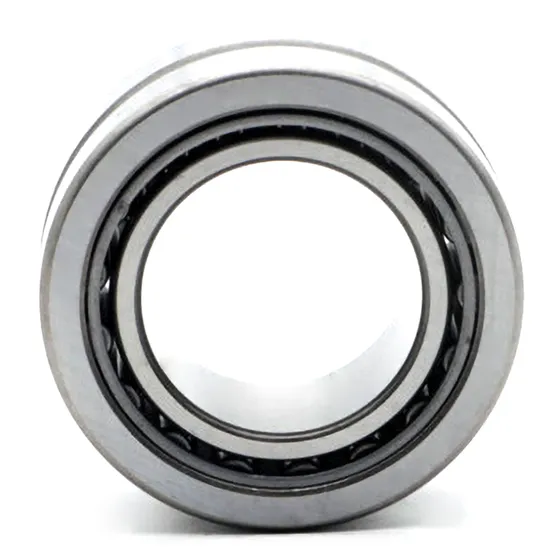
Genuine NTN bearings use precision laser etching on the outer ring end face with consistent depth, clean font edges, and standardized positioning — counterfeits often rely on ink-jet printing, shallow mechanical engraving, or inconsistent laser work.
This is where most fakes start to fall apart. The laser etching process used by the manufacturer produces marks with a specific depth profile and font geometry that are difficult and expensive to replicate. Counterfeiters who cut corners will use ink-jet printing instead, which sits on the surface and can be removed with solvent or abrasion.
When examining the outer ring end face, look for these characteristics:
- Depth consistency: Genuine laser etching produces uniform depth across all characters. Run your fingernail lightly across the marking — you should feel a consistent, shallow groove. Ink-jet markings feel flat; shallow mechanical engraving feels uneven.
- Font style: The manufacturer uses a specific font with clean, sharp character edges. Counterfeit etching often shows rounded corners, inconsistent stroke width, or characters that look slightly "off" compared to known genuine samples.
- Position on the ring: The marking position follows a standardized layout relative to the ring geometry. Counterfeiters frequently place markings in slightly wrong positions because they’re working from incomplete reference data. [NEED_CITE: bearing marking standards per ISO requirements for identification traceability]
I had a case where an industrial buyer in South America compared a suspected-fake 6305 bearing side by side with a known-genuine unit. The etching on the suspect unit looked correct from a distance, but under magnification, the character edges were rough and the depth varied noticeably between characters. The genuine unit showed clean, uniform etching throughout. That single check was enough to confirm the batch was compromised.
On the inner ring, check the part number, country of origin, and production code. The format and position of these markings follow specific conventions. Counterfeit inner rings often show markings that are too deeply stamped, positioned incorrectly, or use a production code format that doesn’t match the manufacturer’s standard structure. [NEED_CITE: NTN inner ring marking format specifications for traceability]
What Cage and Rivet Details Reveal Authenticity?
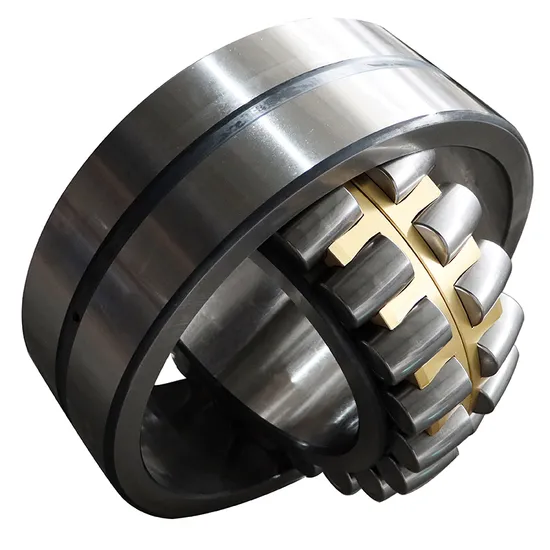
Genuine NTN cages have specific rivet counts and spacing patterns that are consistent within each model series — counterfeits show irregular rivet distribution, incorrect counts, or poor-quality rivet heads.
The cage is one of the most telling components because it requires precise tooling to manufacture correctly. Counterfeiters often use simplified cage designs that don’t match the original specifications.
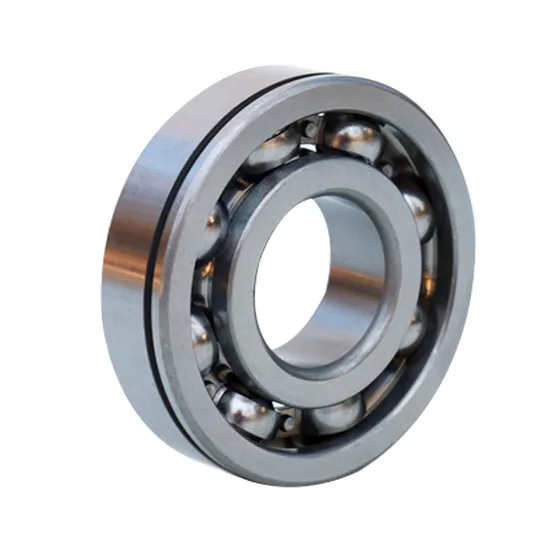
For common deep groove ball bearing models, the cage rivet pattern follows a defined count and spacing. When you examine a genuine unit, the rivets are evenly distributed, seated flush, and uniform in size. Counterfeit cages frequently show:
- Incorrect rivet count: The number of rivets doesn’t match the standard for that model.
- Uneven spacing: Rivets are not equally distributed around the cage circumference.
- Poor rivet quality: Rivet heads are deformed, oversized, or show signs of manual assembly rather than automated pressing. [NEED_CITE: cage design specifications for deep groove ball bearings per manufacturer engineering standards]
A maintenance team at a textile mill in South Asia reported repeated premature failures on their spinning frame spindles. They were using what they believed were genuine NTN bearings sourced through a local trader. When we examined the failed units, the cage rivet count on the suspect bearings was lower than the standard specification for that model, and the spacing was visibly irregular. The cages had deformed under load, leading to ball skew and rapid failure. The genuine replacements — sourced through verified channels — ran for substantially longer under identical operating conditions. [NEED_CITE: bearing cage failure modes and identification methods per field engineering studies]
This check requires opening the bearing or at least rotating the cage to view the rivet pattern. It’s a more invasive check than packaging or external marking inspection, but it’s one of the most reliable indicators of authenticity.
How to Source NTN Bearings Through Verified Channels?
The most reliable way to avoid counterfeit NTN bearings is to source through authorized distributors with verifiable credentials, request authenticity documentation, and use official cross-reference tools to confirm specifications.
Physical inspection catches fakes after they’ve arrived — but the real protection happens before you place the order. Here’s what a disciplined sourcing process looks like:
- Verify distributor authorization: Request the supplier’s authorization certificate from the manufacturer. Cross-check the supplier’s status through the manufacturer’s official distributor lookup tool. [NEED_CITE: authorized distributor verification databases maintained by major bearing manufacturers]
- Request batch documentation: Genuine shipments include batch-level documentation linking the product to the manufacturer’s production records. Ask for certificates of conformity and traceability records.
- Use official cross-reference tools: If you’re replacing a bearing from an existing application, use the manufacturer’s official cross-reference system to confirm the correct part number. Counterfeiters sometimes ship incorrect models in genuine-looking packaging.
- Start with sample verification: For new suppliers, order a small sample batch first and run the full physical inspection — packaging, etching, cage, inner ring — before committing to a larger order.
- Build relationships with tier-one dealers: Established dealers with long-standing relationships to the manufacturer’s distribution network have the strongest incentive to maintain authenticity, because their reputation depends on it.
I’ve worked with buyers who switched from unauthorized online sources to verified distributor channels and found that the total cost of ownership dropped significantly — not because the unit price was lower, but because the bearings actually performed as expected. Premature failures, unplanned downtime, and replacement logistics cost far more than any upfront price savings from a questionable source. [NEED_CITE: total cost of ownership analysis comparing genuine versus counterfeit bearing procurement]
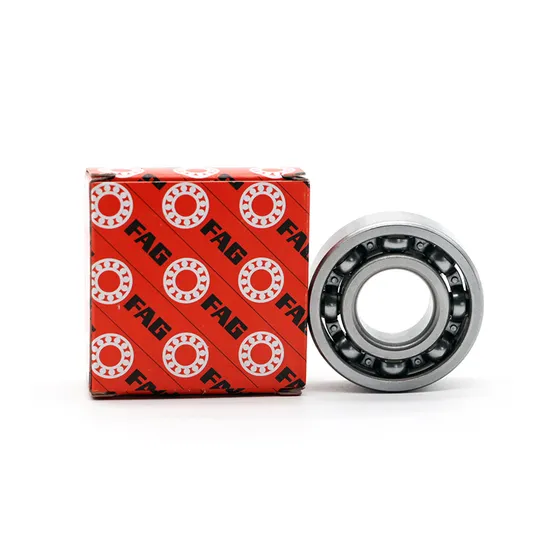
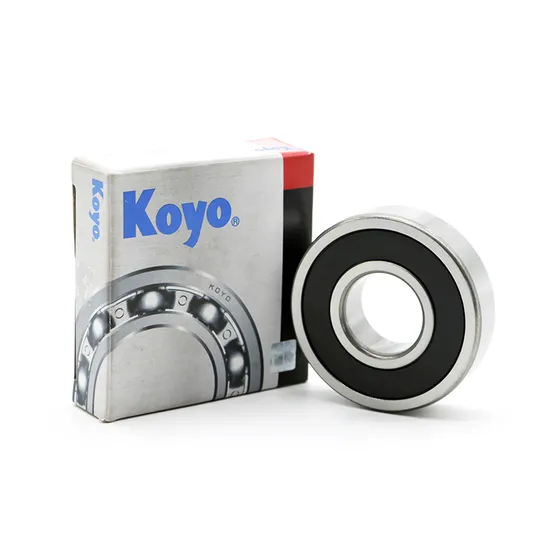
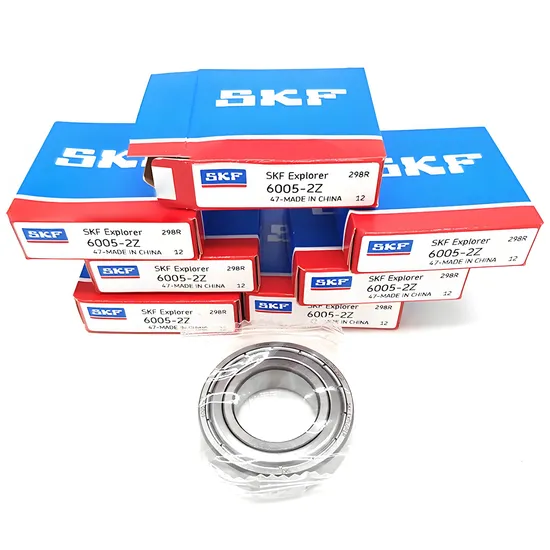
For buyers who need alternatives — whether due to supply constraints, lead times, or cost optimization — cross-brand interchange support becomes critical. A verified supplier can confirm whether an SKF, NSK, FAG, TIMKEN, or KOYO equivalent meets the same dimensional and performance specifications, ensuring that the substitution doesn’t introduce new risks.
Conclusion
Counterfeit NTN bearings are identifiable through systematic inspection of packaging, laser etching, cage rivets, and inner ring markings — but the most effective defense is sourcing through verified, authorized channels from the start.
Physical verification catches fakes that have already entered your supply chain. Authorized sourcing prevents them from entering at all. Combine both approaches: verify your suppliers before ordering, and verify the product when it arrives. That discipline is what separates reliable operations from ones that keep replacing bearings they thought they’d already bought.