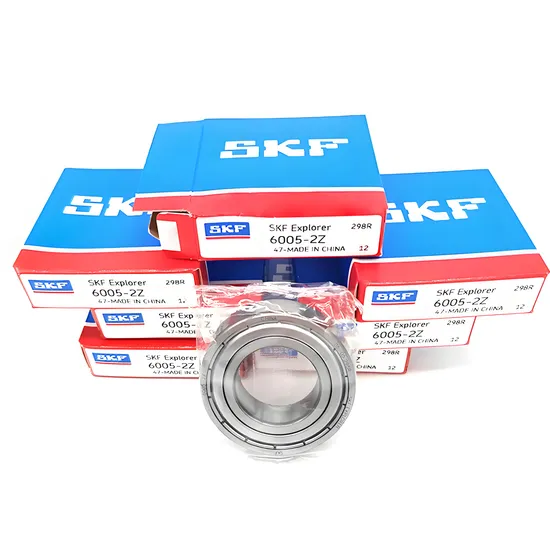
SKF Free Samples: How to Request Genuine Wholesale Bearings
Free samples are not a cost-saving perk—they are your first line of defense against counterfeit bearings entering your supply chain.
Requesting SKF free samples through authorized channels, then verifying authenticity via QR codes, physical markings, and dimensional checks, is the most reliable way to confirm a supplier’s legitimacy before committing to bulk orders.
I still remember a shipment that arrived at a warehouse in Riyadh years ago. The boxes looked perfect—blue SKF branding, crisp printing, proper labeling. But when I pulled a 6206 from the carton, the cage felt unusually soft under my thumbnail, the grease was already stiffening at room temperature, and the steel balls lacked the mirror finish I had seen on thousands of genuine units pulled from the same production lines. A quick measurement with a micrometer showed the bore diameter drifting outside acceptable tolerance bands. That single sample saved the buyer from installing hundreds of fake units into conveyor motors across a steel mill. [NEED_CITE: SKF anti-counterfeit program scope and verification methods]
This is why I treat every sample request as a procurement audit, not a freebie. Let me walk you through how to request SKF free samples properly, what to inspect when they arrive, and how to use official verification tools to separate genuine bearings from sophisticated counterfeits.
Why Request SKF Samples Before Bulk Orders?
Requesting SKF free samples before placing a bulk order is a low-cost risk control step that reveals supplier credibility, product authenticity, and dimensional compliance long before payment is released.
Many buyers treat samples as a formality—a quick check to confirm the part number matches. In reality, a sample is your only opportunity to physically evaluate a supplier’s channel integrity without financial exposure. I have seen distributors in the Middle East receive bulk orders that arrived months later with packaging identical to the sample, yet the bearings inside were remanufactured units stamped with fake SKF markings. The sample had been genuine; the bulk shipment was not. [NEED_CITE: common counterfeit bearing supply chain tactics per IBDA guidelines]
A maintenance manager at a cement plant in North Africa once told me he skipped the sample stage because the supplier "looked professional on Alibaba." The bearings failed within weeks, causing unplanned downtime that cost the plant far more than the bearing price difference between genuine and fake units. Had he requested SKF free samples first, a simple visual and dimensional check would have flagged the problem.
When you request samples, you also test the supplier’s responsiveness, documentation quality, and willingness to provide traceability. A legitimate authorized distributor will supply mill certificates, clear origin markings, and batch codes without hesitation. A trader moving counterfeit stock will stall, offer vague answers, or send samples from a different source than the bulk order.
The key point: SKF free samples are not about getting free products. They are about forcing the supplier to prove their channel before you prove your purchase order.
How to Request Genuine SKF Samples from Authorized Channels?
To request genuine SKF free samples, contact SKF-authorized distributors or apply through SKF’s official regional offices, providing your company details, intended application, and estimated annual volume.
The process is straightforward but requires documentation. Here is how it typically works:
- Identify an authorized SKF distributor. SKF maintains a published list of authorized distributors by country and region. You can verify a distributor’s status through SKF’s official website or by contacting the nearest SKF regional office. [NEED_CITE: SKF authorized distributor verification process]
- Prepare your request. Include your company name, registration details, the specific bearing models you need (e.g., 6205, 6305, 22320), the application context (such as electric motor, gearbox, or conveyor), and your projected annual purchase volume.
- Submit through proper channels. Authorized distributors often have dedicated sample request forms. Some regional SKF offices also handle direct sample requests for large industrial accounts.
- Expect qualification. Not every inquiry results in free samples. SKF and its authorized partners evaluate requests based on application legitimacy, volume potential, and whether the requester is an end user, distributor, or maintenance operation.
I have helped buyers across the Gulf region navigate this process. One distributor in Dubai needed samples of tapered roller bearings for a mining client. We submitted the request through the authorized channel, included the client’s site details and projected annual consumption, and received genuine samples within a reasonable timeframe. The buyer then used those samples to run fitment tests and dimensional verification before approving the full order.
A word of caution: if a supplier offers to send you SKF free samples without asking any questions about your application or company, treat that as a red flag. Legitimate channels qualify requests. Counterfeit operators just want to get product into your hands to build false trust.
What to Check When SKF Samples Arrive?
When SKF free samples arrive, inspect packaging integrity, origin markings, cage material, grease condition, and rolling element finish before taking dimensional measurements with calibrated tools.
Physical inspection is where most counterfeits fail. Here is what I check on every sample unit:
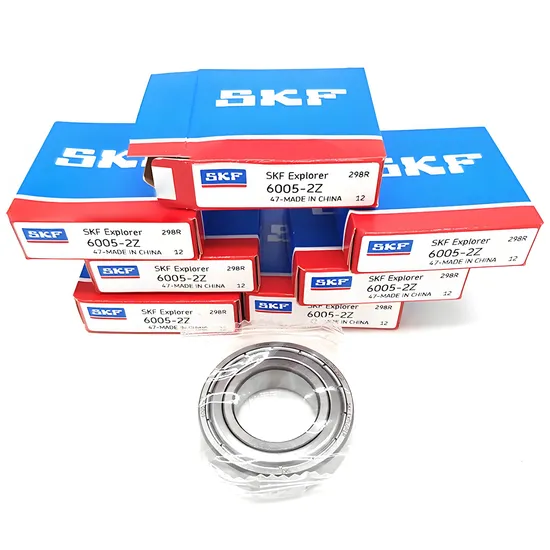
- Packaging. Genuine SKF packaging uses specific cardboard grades, printing quality, and labeling formats. Look for holographic seals, correct font weights, and batch traceability codes. Counterfeit packaging often has slightly off-color logos or blurred text.
- Origin markings. SKF bearings are laser-etched or stamped with the SKF logo, bearing designation, and country of origin. The marking should be clean, sharp, and consistent across the ring. Fake markings often appear hand-etched, uneven, or use incorrect fonts. [NEED_CITE: SKF bearing marking standards and authentication features]
- Cage material. Genuine SKF cages—whether steel, brass, or polymer—have consistent material feel and finish. Counterfeit cages often use lower-grade steel or recycled polymer that feels softer or lighter.
- Grease condition. SKF fills bearings with specific grease types matched to the bearing series. The grease should be evenly distributed, with no signs of drying, separation, or contamination. Counterfeit units sometimes arrive with insufficient grease or the wrong lubricant type.
- Rolling element finish. Steel balls and rollers in genuine SKF bearings have a mirror-like surface finish. Counterfeit rolling elements often show visible machining marks, dullness, or micro-pitting.
- Dimensional verification. Use a calibrated micrometer or bore gauge to check inner diameter, outer diameter, and width against SKF’s published tolerance tables. Even small deviations indicate non-conforming production. [NEED_CITE: ISO 492 bearing tolerance classes and measurement methods]
A buyer in Latin America once received SKF free samples that looked correct on the outside. But when he opened the bearing and checked the grease, it was already stiffening despite being sealed. The cage material also felt unusually brittle. Those were early signs of counterfeit manufacturing using substandard materials. He rejected the shipment before any bulk order was placed.
How to Verify SKF Sample Authenticity with Official Tools?
Use SKF’s official authentication tools—including the SKF Authenticate app, QR code scanning, and online verification portals—to confirm the batch identity and traceability of your SKF free samples.
Physical inspection is essential, but digital verification adds a second layer of certainty. SKF has invested heavily in anti-counterfeit technology, and buyers should use every tool available.
- SKF Authenticate App. This mobile application allows you to scan QR codes or specific markings on SKF bearing packaging. The app connects to SKF’s database and returns verification results, confirming whether the product is genuine and traceable to a known production batch. [NEED_CITE: SKF Authenticate app functionality and coverage]
- QR code verification. Many SKF bearing boxes now include unique QR codes. Scanning these codes through the official app or SKF’s web portal provides batch-level traceability. Counterfeit codes often fail to resolve or return mismatched product information.
- Cross-check with authorized distributor records. If you requested SKF free samples through an authorized distributor, ask them to confirm the batch numbers on the samples match their delivery records. This closes the loop between physical product and documented supply chain.
- Report suspicious results. If verification fails or returns inconsistent data, contact SKF’s anti-counterfeit team directly. They maintain investigation protocols and can assist in tracing the source of counterfeit products.
I have seen cases where buyers relied solely on visual inspection and missed sophisticated counterfeits that copied packaging perfectly. The QR code scan revealed the truth within seconds. One batch of samples sent to a workshop in West Africa failed the app scan entirely—the codes were printed but not registered in SKF’s system. That single check prevented a large fraudulent order from proceeding.
What If Samples Fail Authenticity Checks?
If SKF free samples fail physical or digital authenticity checks, halt all procurement discussions with that supplier immediately, request formal authorization documentation, and switch to a verified authorized channel.
Failing an authenticity check is not a minor issue—it is a definitive signal that the supplier’s channel is compromised. Here is how to respond:
- Stop all communication on the order. Do not negotiate, do not accept excuses, and do not allow the supplier to "send replacement samples." Once a sample fails, the entire supply relationship is suspect.
- Request authorization proof. Ask the supplier to provide a current SKF authorization certificate, including the certificate number, validity period, and authorized product scope. Cross-check this certificate with SKF’s official distributor list. [NEED_CITE: SKF distributor authorization certificate verification]
- Document the failure. Keep records of the failed samples, including photographs, measurement data, and app scan results. This documentation protects your company if disputes arise and helps SKF’s anti-counterfeit team investigate the source.
- Switch to a verified channel. Use SKF’s official distributor directory or contact the regional SKF office to identify a legitimate authorized distributor in your market. Request new samples through that channel and repeat the full verification process.
A steel mill operator in the Middle East once received samples that passed visual inspection but failed the SKF Authenticate app scan. The supplier claimed the app was "not updated for that batch." The operator insisted on authorization documentation, which the supplier could not provide. The operator then sourced from a verified authorized distributor, and the new samples passed all checks. The original supplier was later identified as part of a regional counterfeit network.
The lesson is simple: never compromise on sample verification. SKF free samples are your opportunity to catch problems early. If they fail, you have just saved yourself from a far more expensive failure downstream.
Conclusion
Requesting SKF free samples is a critical procurement step that protects your operation from counterfeit bearings, supply chain fraud, and costly equipment failures.
By requesting samples through authorized channels, conducting thorough physical and dimensional inspections, and verifying authenticity with SKF’s official digital tools, you ensure that every bearing entering your facility meets genuine SKF standards. When samples fail, act decisively—halt the relationship, demand authorization proof, and switch to a verified source. Authenticity verification is not optional; it is the foundation of reliable industrial procurement.