
Deep Groove Ball Bearing Replacement Schedule: Wholesale Supplier
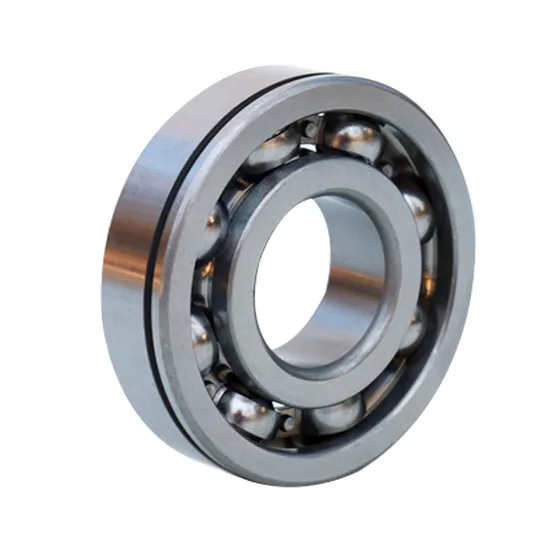
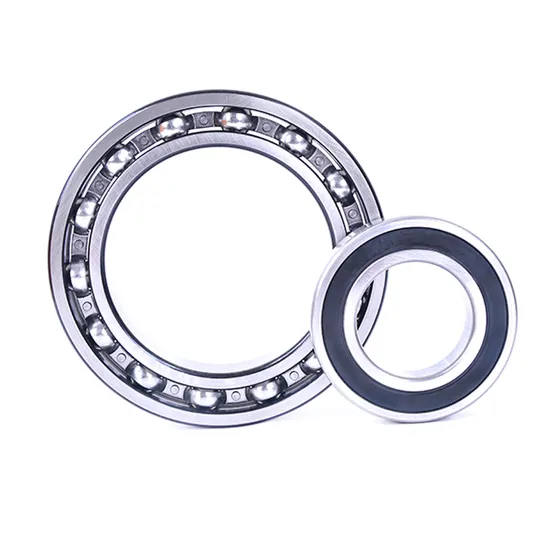
There is no universal "fixed months" replacement schedule for deep groove ball bearings.
The correct replacement interval is not a static number found in a catalog, but a dynamic calculation based on operating speed, radial and axial loads, ambient temperature, and lubrication quality. Relying on a generic timeline often leads to premature failure or unnecessary waste. To determine the optimal Deep Groove Ball Bearing Replacement Schedule, engineers must adjust the theoretical L10 life using real-world application factors and monitor condition-based indicators such as vibration, noise, and temperature rise.
I still remember the silence in a workshop in Suzhou when a batch of 6205 bearings returned from a client in Dubai. The client had installed them in high-pressure water pumps, expecting them to last as long as they did in similar domestic applications. Within three months, the bearings seized. The issue was not the bearing quality, but the environment. Ambient temperatures exceeding 45°C caused the standard lithium-based grease to break down and separate from the oil base. The client had followed a fixed time-based schedule that ignored thermal degradation. That incident shifted my perspective entirely. I stopped looking for a single answer and started analyzing the variables that destroy bearings before their calculated life ends. [NEED_CITE: impact of temperature on lubricant viscosity and separation]
Understanding these variables is critical for MRO managers and distributors who need to provide accurate technical guidance to their end-users. A proper Deep Groove Ball Bearing Replacement Schedule prevents unplanned downtime and optimizes maintenance budgets.
Why Fixed Time-Based Replacement Fails?
Many maintenance teams prefer simple calendars: replace every six months, or every year. This approach assumes consistent operating conditions, which rarely exist in industrial settings. A bearing running in a clean, cool, lightly loaded fan will have a vastly different lifespan than one in a vibrating, dusty, heavily loaded crusher.
The primary failure of fixed schedules is the neglect of the adjusted rating life. While the basic L10 life calculation provides a theoretical baseline, it assumes ideal conditions. In reality, contamination, misalignment, and improper lubrication drastically reduce this life. [NEED_CITE: ISO 281 standard for adjusted rating life calculation] When a distributor or engineer applies a generic timeline, they risk two outcomes: replacing bearings that are still healthy, wasting inventory and labor, or failing to replace bearings that are degrading rapidly, leading to catastrophic equipment failure.
Consider a mining operation in South America. The maintenance team replaced crusher bearings every 1,000 hours based on a manufacturer’s general guideline. However, due to high dust infiltration and continuous heavy shock loads, micro-spalling began appearing at 600 hours. By waiting for the 1,000-hour mark, they experienced several unexpected breakdowns. Conversely, in a clean food processing facility, low-speed bearings with intact seals ran for years without issue, yet were replaced prematurely due to a rigid six-month policy. These scenarios highlight why a flexible, condition-aware Deep Groove Ball Bearing Replacement Schedule is essential.
Key Factors Influencing Bearing Life
To build an accurate schedule, one must identify the specific stressors acting on the bearing. These factors interact complexly, meaning a change in one can exponentially affect the others.
Temperature and Lubrication
Heat is the silent killer of bearings. As temperature rises, the viscosity of the lubricant drops. If the oil film becomes too thin, metal-to-metal contact occurs, generating more heat and accelerating wear. In high-temperature environments, standard greases oxidize and harden, losing their ability to protect the rolling elements. [NEED_CITE: relationship between operating temperature and grease oxidation rate] For applications where temperatures exceed standard limits, selecting bearings with C3 clearance and using synthetic high-temperature grease is crucial. This adjustment alone can extend the service life significantly compared to using standard components.
Load and Speed
The combination of radial and axial loads determines the stress on the raceways. Heavy loads cause fatigue spalling, while high speeds generate centrifugal forces that can distort the cage and increase friction. In pump applications, for instance, incorrect alignment can introduce additional axial loads that the deep groove design is not optimized to handle continuously. Monitoring the actual load profile helps in predicting when fatigue limits are approached.
Contamination and Sealing
Dust, moisture, and chemical agents penetrate seals and abrade the rolling surfaces. Even small particles can create indentations that act as stress concentrators, leading to early fatigue. In dusty environments like cement plants or mines, the integrity of the seal is as important as the bearing steel itself. Once a seal degrades, the bearing’s life drops precipitously. Therefore, inspection intervals should focus heavily on seal condition in harsh environments.
| Factor | Impact on Life | Mitigation Strategy |
|---|---|---|
| High Temperature | Reduces lubricant viscosity, causes oxidation | Use synthetic grease, select C3 clearance |
| Heavy Load | Accelerates fatigue spalling | Monitor vibration, ensure proper alignment |
| Contamination | Causes abrasive wear and indentations | Improve sealing, use cleaner lubricants |
| High Speed | Increases friction and cage stress | Use appropriate cage material, ensure balanced load |
How to Determine Your Specific Replacement Interval
Creating a reliable Deep Groove Ball Bearing Replacement Schedule requires moving from guesswork to calculation and observation. This process involves both theoretical estimation and practical monitoring.
First, calculate the basic L10 life using the bearing’s dynamic load rating and the applied load. This gives a baseline in millions of revolutions. Convert this to hours based on the operating speed. However, this number is optimistic. Next, apply adjustment factors for reliability, lubrication, and contamination. Most modern bearing manufacturers provide software or charts to help with these adjustments. [NEED_CITE: methods for calculating adjusted rating life aISO]
Second, establish a lubrication replenishment interval. Grease does not last forever. The frequency of regreasing depends on the bearing size and speed. A common rule of thumb is to replenish grease before it degrades completely. In high-speed applications, this might be every few hundred hours; in slow-moving applications, it could be annually. Using the right grade of grease, such as those available from a comprehensive multi-brand stock, ensures compatibility and performance.
Third, implement condition monitoring. Instead of relying solely on time, use sensory checks. Listen for changes in noise. Feel for excessive heat. Look for discoloration on the housing. These signs indicate that the bearing is nearing the end of its useful life, regardless of the calculated schedule. For critical equipment, vibration analysis can detect early-stage faults like imbalance or misalignment, allowing for planned replacement rather than emergency repair.
For example, a steel mill in Southeast Asia implemented a hybrid approach. They used calculated intervals as a maximum limit but performed monthly visual and acoustic inspections. This allowed them to catch a failing bearing in a conveyor system two weeks before the scheduled replacement date, avoiding a production stoppage. The key was balancing the theoretical Deep Groove Ball Bearing Replacement Schedule with real-time data.
Warning Signs That Demand Immediate Replacement
Even with a well-planned schedule, unexpected conditions can arise. Recognizing the immediate warning signs is vital to prevent secondary damage to shafts, housings, and other components.
Abnormal Noise
A healthy bearing produces a smooth, low hum. A grinding, screeching, or clicking sound indicates trouble. Grinding often suggests lack of lubrication or contamination. Clicking may point to damaged rolling elements or cages. If the noise level increases noticeably, investigate immediately.
Overheating
Touch the bearing housing carefully. If it is significantly hotter than surrounding components, it may indicate over-lubrication, misalignment, or excessive load. Thermal imaging can provide precise temperature readings. A sudden rise in temperature is a critical alert. [NEED_CITE: typical temperature thresholds for bearing failure warnings]
Vibration
Increased vibration is a primary indicator of internal damage. Hand-held vibration meters can detect changes in amplitude. High-frequency vibrations often suggest surface defects like pitting or spalling. Low-frequency vibrations may indicate looseness or misalignment.
Visual Inspection
During maintenance stops, inspect the bearing if accessible. Look for discoloration, which indicates overheating. Check for rust or corrosion, which suggests moisture ingress. Examine the lubricant for metal particles or darkening, which signals wear. If any of these signs are present, the bearing should be replaced immediately, regardless of the scheduled interval.
In one case, a pump manufacturer noticed slight discoloration on the outer ring of a bearing during a routine check. Although the vibration levels were normal, the discoloration suggested past overheating events that had weakened the steel. They replaced the bearing proactively. Two weeks later, a similar unit without such inspection failed catastrophically. This highlights the value of visual cues in refining the Deep Groove Ball Bearing Replacement Schedule.
Optimizing Maintenance for Cost and Reliability
The goal of maintenance is not just to keep machines running, but to do so cost-effectively. A rigid replacement policy wastes resources, while a reactive policy risks expensive downtime. The optimal strategy lies in between: condition-based maintenance supported by accurate technical knowledge.
Selecting the right bearing for the application is the first step. Using a standard bearing in a high-temperature or high-contamination environment will always result in short life, no matter how frequent the replacement. Choosing bearings with appropriate clearances, seals, and materials from a reliable supplier ensures a longer baseline life. Genuine products from brands like SKF, FAG, or NSK offer consistent quality and traceability, which is crucial for predictable performance.
Furthermore, proper installation and lubrication practices extend life significantly. Many bearings fail prematurely due to incorrect mounting or incompatible lubricants. Training maintenance staff on these best practices reduces human error. Providing them with access to technical datasheets and cross-reference tools helps them make informed decisions on the spot.
For distributors and wholesalers, offering this technical support adds value beyond the product itself. Clients appreciate suppliers who help them solve problems, not just sell parts. By sharing insights on how to adjust maintenance intervals based on specific operating conditions, you help your customers optimize their operations. This builds trust and long-term partnerships.
Ultimately, a well-managed Deep Groove Ball Bearing Replacement Schedule is a living document. It evolves with experience, data, and changing operational conditions. It requires attention to detail, a willingness to learn from failures, and a commitment to quality.
Conclusion
Effective bearing maintenance relies on data, not dates.
A generic timeline cannot account for the unique stresses of speed, load, and environment. By understanding the factors that influence bearing life and monitoring key warning signs, engineers and maintenance managers can create a customized Deep Groove Ball Bearing Replacement Schedule that maximizes reliability and minimizes cost. This approach transforms maintenance from a reactive expense into a strategic advantage.