
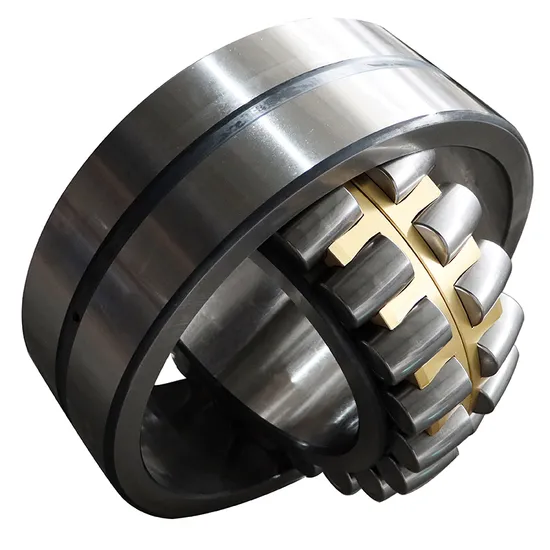
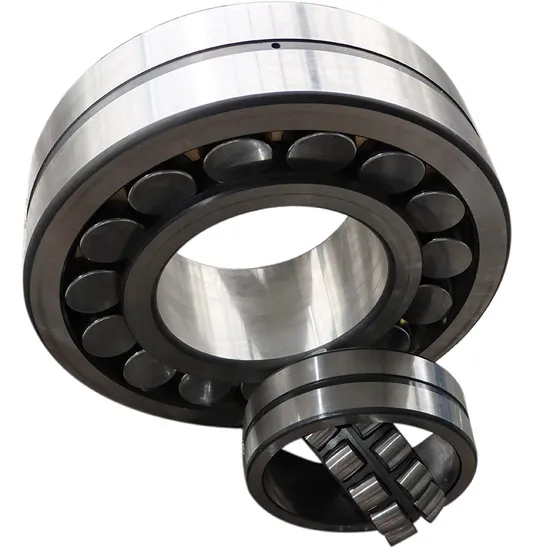
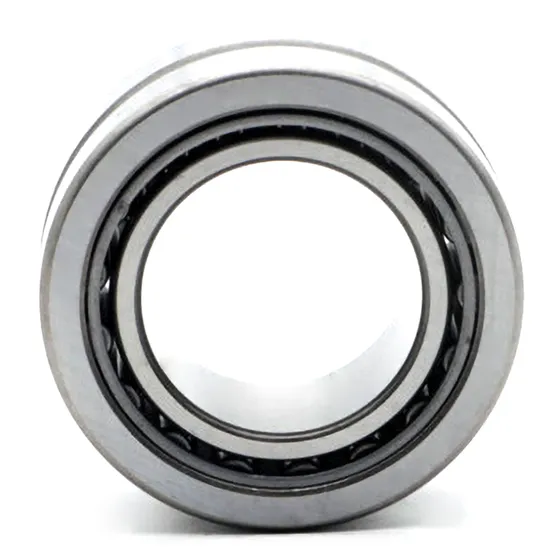
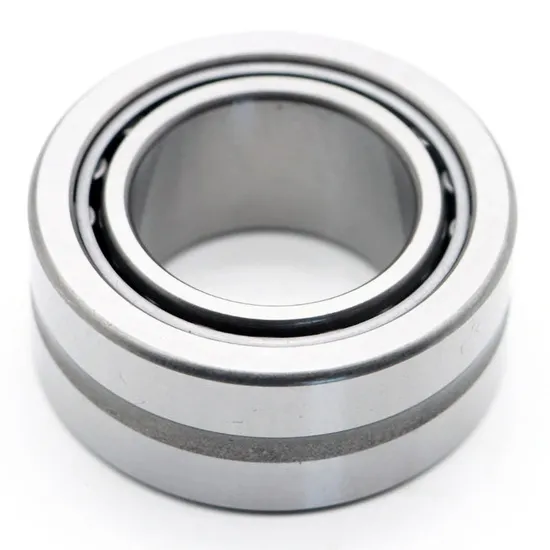
Deep Groove Ball Bearing Component Types: Wholesale Supplier
Rubber seals do not always offer superior protection, and standard clearance is rarely the correct choice for high-temperature applications.
The suitability of a deep groove ball bearing is defined not by its basic model number, but by the specific interaction between its seals, cage materials, and internal clearance. Selecting the wrong combination of these components leads to premature failure, excessive heat generation, or catastrophic contamination, regardless of the brand’s reputation.
I still recall the silence in the warehouse office when a container of 6205 bearings arrived back from Rotterdam. The customer had ordered what they thought was a direct replacement for their spindle motors. On paper, the model number matched perfectly. In reality, the inner ring width tolerance and the cage material were incompatible with the high-speed, low-vibration requirements of the original equipment. The entire batch was rejected. That loss was not due to a manufacturing defect in the steel, but a mismatch in component specification. Since then, I have learned that the suffix letters following the basic number are not mere administrative details; they are the engineering blueprint for the bearing’s survival in its specific operating environment.
Understanding these distinctions is critical for distributors and procurement managers who must ensure that the parts they supply match the rigorous demands of industrial machinery. A deep groove ball bearing is a system of interacting parts, and each component plays a decisive role in performance.
Seals and Shields: Balancing Protection and Speed
The choice between a rubber seal and a metal shield is a trade-off between contamination exclusion and operational speed, not a simple hierarchy of quality.
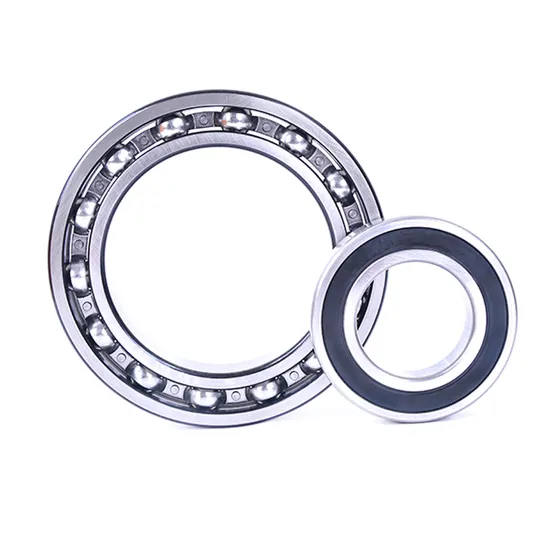
Many buyers assume that a rubber contact seal (often designated as 2RS) is universally better because it offers superior protection against dust and water. This is a dangerous oversimplification. While 2RS seals provide excellent barrier protection, they create friction through direct contact with the inner ring. This friction generates heat and limits the maximum permissible rotational speed. [NEED_CITE: frictional torque comparison between contact seals and non-contact shields]
In contrast, metal shields (designated as ZZ or Z) are non-contact. They leave a small gap between the shield and the inner ring, allowing for higher speeds and lower operating temperatures. However, this gap means they cannot prevent fine dust or water ingress as effectively as rubber seals.
Consider a case involving a mining crusher in a dusty environment. The initial specification called for open bearings to maximize speed. Within weeks, abrasive dust entered the raceways, causing rapid wear and failure. Switching to ZZ shields offered some improvement, but the fine particulate matter still penetrated the gap. The final solution was to use 2RS rubber seals. Although the operating temperature rose slightly due to friction, the bearing life extended significantly because the contaminants were kept out. Conversely, in a high-speed textile spindle application, using 2RS seals caused overheating and grease degradation. Switching to ZZ shields resolved the thermal issue, as the non-contact design allowed for efficient heat dissipation and higher RPM capabilities.
| Feature | Rubber Seal (2RS) | Metal Shield (ZZ) |
|---|---|---|
| Contact Type | Contact (sealing lip touches inner ring) | Non-contact (gap exists) |
| Contamination Protection | High (dust and water resistant) | Moderate (large particle protection only) |
| Friction & Heat | Higher friction, increased temperature | Lower friction, cooler operation |
| Max Speed Capability | Limited | High |
| Ideal Environment | Wet, dusty, dirty conditions | Clean, high-speed, low-friction needs |
For wholesale suppliers, clarifying the environmental conditions and speed requirements is essential before confirming a seal type. A mismatch here is one of the most common causes of early bearing returns.
Cage Materials: The Hidden Factor in Bearing Performance
The cage material dictates whether a bearing can withstand high-speed centrifugal forces or heavy shock loads, yet it is often overlooked in standard replacements.
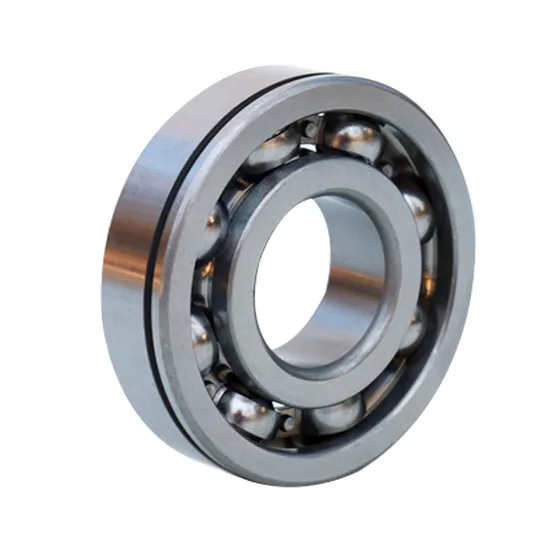
The cage, or retainer, holds the balls in place and guides them during rotation. It does not carry the primary load, but its material properties determine the bearing’s dynamic behavior. The three most common materials are stamped steel, machined brass, and polyamide (PA66).
Stamped steel cages are robust and cost-effective, making them suitable for general-purpose applications with moderate speeds and heavy shock loads. However, at very high speeds, the mass of the steel cage can generate significant centrifugal force, leading to instability and heat.
Polyamide (PA66) cages, often reinforced with glass fiber, are lightweight and have excellent sliding properties. They reduce friction and allow for higher operational speeds. Additionally, PA66 cages can accommodate slight misalignments and absorb vibrations. However, they have temperature limits and can degrade in certain chemical environments. [NEED_CITE: thermal stability limits of polyamide cage materials]
Machined brass cages offer a middle ground. They are more durable than polyamide and can handle higher temperatures and heavier loads than stamped steel, while still being lighter than solid steel retainers. They are often preferred in large-size bearings or applications involving significant vibration.
A European wind farm operator once reported intermittent noise issues in their gearbox auxiliary drives. The bearings were operating within their load ratings, but the speeds were fluctuating rapidly. Upon inspection, it was found that the standard steel cages were experiencing fatigue due to the variable centrifugal forces. Replacing them with bearings featuring PA66 cages reduced the weight of the rotating assembly, stabilized the ball movement, and eliminated the noise. This change did not alter the load capacity but significantly improved the dynamic performance of the deep groove ball bearing components.
When sourcing for high-speed spindles or precision machinery, verifying the cage material is as important as checking the bearing grade. For heavy-duty crushers or vibrating screens, steel or brass cages remain the preferred choice due to their mechanical strength.
Internal Clearance: Matching Fit to Thermal Conditions
Standard internal clearance is not a universal default; high-temperature and high-load applications require specific clearance classes to prevent seizure.
Internal clearance refers to the distance one ring can be moved relative to the other in a radial direction. It is categorized into classes: C2 (less than normal), CN (normal), C3 (greater than normal), C4 (greater than C3), and C5 (greater than C4). [NEED_CITE: ISO 15 standard definitions for internal clearance classes]
Most off-the-shelf bearings come with CN clearance. This is suitable for applications where the inner and outer rings operate at similar temperatures and are mounted with standard fits. However, in many industrial scenarios, the inner ring heats up more than the outer ring due to friction and load. This thermal expansion reduces the internal clearance. If the clearance becomes zero or negative, the bearing will seize, leading to immediate failure.
In electric motors and pumps, which often operate under continuous heavy loads, the inner ring expands significantly. Using a standard CN clearance bearing in such an application can result in excessive preload, causing high operating temperatures, increased vibration, and premature grease failure. Specifying a C3 clearance allows for this thermal expansion, maintaining optimal running conditions even as the temperature rises.
Conversely, in precision machine tools where rigidity and minimal runout are critical, C2 clearance might be specified to reduce vibration and increase stiffness. However, this requires precise mounting and controlled thermal conditions.
A case from a steel mill illustrates this point. Hot roll conveyor bearings were failing frequently. The maintenance team was replacing them with standard CN clearance bearings. The intense heat from the steel slabs caused the inner rings to expand, eliminating the clearance and locking the bearings. Switching to C4 clearance bearings provided the necessary space for thermal expansion, extending the service life from a few weeks to several months. The key was recognizing that the operating environment dictated a clearance class far beyond the standard.
| Clearance Class | Description | Typical Application |
|---|---|---|
| C2 | Less than normal | Precision instruments, low vibration needs |
| CN | Normal | General purpose, standard temperatures |
| C3 | Greater than normal | Electric motors, pumps, moderate heat |
| C4 | Greater than C3 | Heavy loads, high temperatures, severe conditions |
| C5 | Greater than C4 | Extreme thermal expansion scenarios |
Selecting the correct clearance class is a fundamental step in ensuring the longevity of deep groove ball bearing components in demanding industrial settings.
How to Specify the Right Combination for Your Application
Accurate specification requires defining speed, load, and environmental conditions before selecting suffixes, rather than relying solely on basic model numbers.
To avoid the costly mismatches that plague many procurement processes, a systematic approach to selecting deep groove ball bearing components is necessary. This involves analyzing three key parameters: speed, load, and environment.
First, determine the rotational speed. If the application involves high RPMs, prioritize non-contact shields (ZZ) over rubber seals (2RS) to minimize friction and heat. Consider polyamide (PA66) cages for their lightweight properties and ability to handle high speeds without excessive centrifugal force.
Second, assess the load type and magnitude. For heavy shock loads or vibrating machinery, choose stamped steel or machined brass cages for their durability. Avoid polyamide in these scenarios unless specifically rated for such conditions. Ensure the internal clearance (C3 or C4) accommodates any potential deformation or thermal expansion under load.
Third, evaluate the environmental conditions. In dusty, wet, or contaminated environments, rubber seals (2RS) are essential despite their speed limitations. For clean, controlled environments where speed and temperature are primary concerns, metal shields (ZZ) are preferable.
Finally, verify the internal clearance based on the expected operating temperature. If the inner ring is likely to become significantly hotter than the outer ring, upgrade from CN to C3 or C4 clearance. This proactive step prevents seizure and extends bearing life.
By integrating these factors into the selection process, buyers can ensure that the deep groove ball bearing components they procure are perfectly suited to their specific application. This level of detail transforms a simple part replacement into a strategic reliability improvement.
Conclusion
Component selection defines bearing performance, not just the brand name.
The interaction between seals, cages, and internal clearance determines whether a deep groove ball bearing thrives or fails in its application. Ignoring these details leads to preventable downtime and cost. Precise specification based on speed, load, and environment ensures optimal performance and longevity.


