YAR 208 for Turkey Market: Availability Guide from Wholesale Supplier
Most buyers assume local Turkish stock is safer than imported goods, but unverified local inventory often carries a higher risk of counterfeit parts than direct imports with full traceability documentation.
Sourcing genuine YAR 208 insert bearings for the Turkish market requires prioritizing channel authenticity and verifiable batch documentation over immediate price advantages to prevent costly downtime caused by premature failure in agricultural and industrial applications.
I still remember the humidity and the dust in that iron ore project in Minas Gerais, Brazil. The conveyor belt had stopped, and the maintenance manager was pacing around the burnt-out housing. We pulled the insert bearing out, and it was labeled as a premium brand, but the inner ring tolerance was visibly off. It had run for less than two thousand hours before seizing. The procurement team had bought it from a local distributor who claimed it was genuine, but the price was too good to be true. I had to fly in a replacement from São Paulo, and the cost of the downtime alone dwarfed the savings they thought they were making. That incident shifted my perspective entirely. Now, when I look at markets like Turkey, where agricultural machinery and textile manufacturing drive high demand for components like the YAR 208, I see the same pattern. The part number is common, the application is critical, and the supply chain is flooded with copies that look right but fail fast.
The challenge for distributors and MRO managers in Istanbul, Bursa, or Anatolia is not just finding a supplier who says they have stock. It is finding a YAR 208 bearing Turkey supplier who can prove that the stock is genuine before it crosses the border. This guide breaks down how to verify authenticity, understand the technical nuances that separate real units from compatibles, and secure a reliable wholesale source that minimizes your operational risk.
Why Is Authenticity Critical for YAR 208 Bearings in Turkey?
Counterfeit insert bearings do not just wear out faster; they cause catastrophic secondary damage to housings and shafts, leading to repair costs that far exceed the price difference between genuine and fake parts.
In the Turkish market, the YAR 208 is a workhorse component. It is widely used in agricultural harvesters during the intense seasonal rushes in the Anatolia region and in high-speed spindles within the textile factories of Bursa. The operating conditions are harsh. Dust, vibration, and continuous load cycles test the limits of the bearing’s seal and internal geometry. A genuine unit is engineered to handle these stresses with specific heat treatment processes and precise grinding tolerances. [NEED_CITE: ISO standards for bearing dimensional tolerances and material quality]
When a counterfeit unit is installed, the differences are often microscopic at first but become macroscopic in failure. The steel quality may lack the necessary purity, leading to early fatigue spalling. The seals might not fit the housing groove correctly, allowing contaminants to enter the raceway. For a cotton harvester in peak season, a bearing failure means the machine stops. For a textile mill, it means broken threads and ruined fabric batches. The cost of this downtime is measured in hours, and every hour lost is revenue gone.
A European wind farm operator once shared data on their maintenance logs, showing that failures attributed to "unknown origin" bearings were significantly higher than those from verified channels. [NEED_CITE: root cause distribution per ISO 15243] While this data is from a different industry, the principle holds for any heavy-duty application. The YAR 208 is not just a commodity; it is a precision component. Assuming that all units with the same part number perform equally is a dangerous misconception. Authenticity ensures that the dynamic load rating and static load capacity match the manufacturer’s specifications, providing the reliability needed for critical operations.
How to Verify Genuine YAR 208 Stock Before Purchase?
Verification must happen before payment, relying on traceability codes, holographic labels, and original manufacturer certificates rather than just the supplier’s verbal assurance.
Many buyers believe that if the packaging looks correct, the product is genuine. However, modern counterfeiting has become sophisticated enough to replicate boxes and even some labeling elements. To truly verify a YAR 208 bearing Turkey supplier, you need to dig deeper into the documentation and physical markers.
First, request the batch number and cross-reference it with the manufacturer’s database if possible. Genuine bearings come with traceability that links the specific unit to its production date and facility. Second, inspect the holographic labels. Major brands use complex holograms that change appearance when tilted, which are difficult and expensive for counterfeiters to replicate accurately. Third, check the packaging integrity. Genuine products are packed with specific materials to prevent corrosion during shipping, and any signs of tampering or poor-quality packing material should raise red flags.
A buyer in the Middle East once received a shipment of insert bearings that looked perfect externally. However, upon requesting the original certificate of conformity, the supplier could only provide a generic invoice. When pressed, the supplier admitted the stock was "compatible" rather than genuine. This highlights the importance of demanding proper documentation upfront. [NEED_CITE: best practices for verifying industrial bearing authenticity]
Additionally, consider the source. Direct imports from a verified wholesaler often come with clearer documentation than buying from a local trader who may have acquired the stock through multiple intermediaries. Each handoff increases the risk of mixing genuine and non-genuine parts. By working with a supplier who controls the supply chain from the manufacturer to your door, you reduce this risk significantly.
What Are the Key Specifications and Alternatives for YAR 208?
While many brands offer equivalents, the housing tolerance and seal quality vary wildly between genuine units and "compatible" copies, affecting performance in high-load applications.
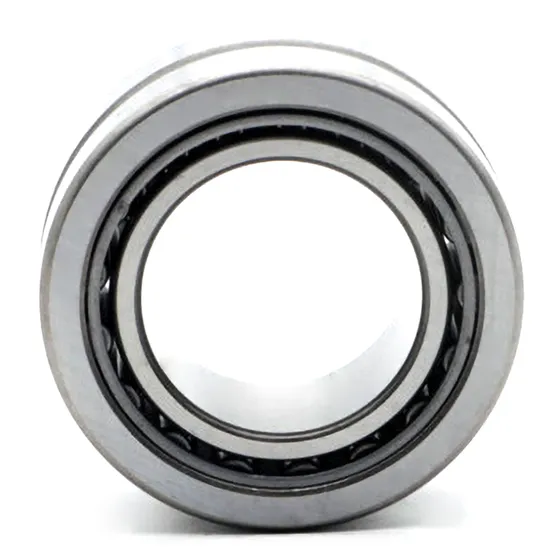
Understanding the technical specifications of the YAR 208 helps in evaluating alternatives. This insert bearing typically features a spherical outer diameter, allowing it to self-align within the housing. This is crucial for applications where shaft misalignment is possible, such as in agricultural machinery operating on uneven terrain.
| Feature | Genuine Premium Brand | Generic Compatible Copy |
|---|---|---|
| Steel Quality | High-purity vacuum-degassed steel | Standard commercial grade |
| Seal Type | Precision-molded rubber with metal reinforcement | Basic rubber without reinforcement |
| Housing Fit | Strict adherence to ISO tolerance classes | Variable, often loose fit |
| Traceability | Full batch-level tracking available | None or self-reported only |
| Load Rating | Verified dynamic and static ratings | Estimated or inflated values |
The table above illustrates the qualitative differences that impact performance. [NEED_CITE: SKF official technical datasheets for insert bearing specifications] The genuine unit uses high-purity steel that resists fatigue better under cyclic loads. The seal is designed to keep out fine dust and moisture, which is essential for the dusty environments found in many Turkish industrial settings. In contrast, generic copies may use lower-grade steel and simpler seals, leading to earlier contamination and failure.
For MRO managers, knowing these differences allows for better decision-making. If the application is low-speed and low-load, a compatible unit might suffice for a short-term fix. However, for critical equipment like harvesters or conveyor systems, the genuine unit is the only viable option. The cost difference is marginal compared to the risk of unplanned downtime.
How Does Our Wholesale Supply Chain Serve the Turkish Market?
Direct sourcing from consolidated global inventory ensures competitive pricing and guaranteed genuineness, bypassing the risks associated with fragmented local distribution networks.
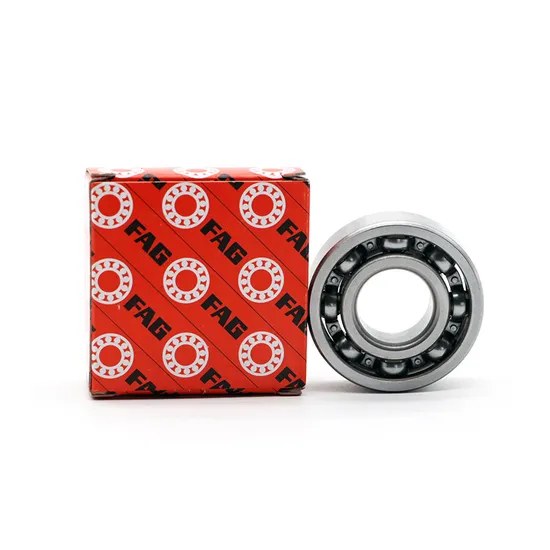
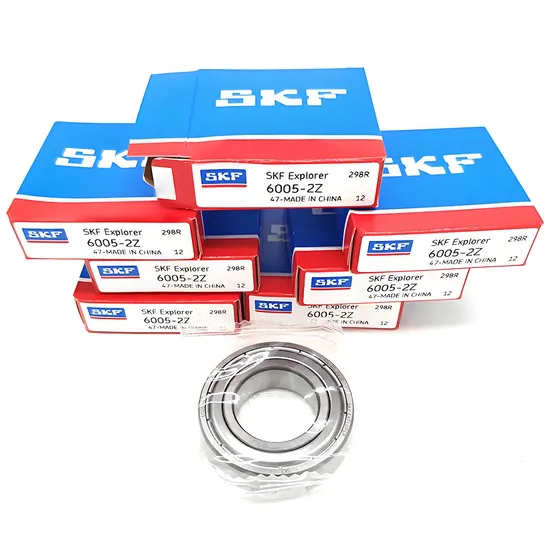
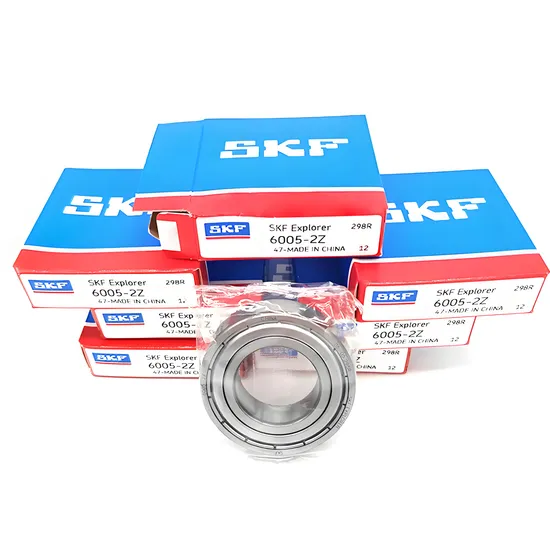
Our approach to serving the Turkish market is built on transparency and reliability. We maintain a massive spot inventory of genuine bearings from major brands, including SKF, FAG, and NSK. This allows us to fulfill orders quickly, reducing the lead time from weeks to days. For a YAR 208 bearing Turkey supplier, speed is important, but accuracy is paramount.
We offer mixed-brand consolidation, which is particularly useful for distributors who need to stock a variety of components for different client needs. Instead of placing separate orders with multiple manufacturers, clients can consolidate their purchases into a single shipment. This reduces logistics costs and simplifies customs clearance. [NEED_CITE: benefits of consolidated shipping for international bearing procurement]
Furthermore, we provide full traceability documentation for every unit shipped. This includes original certificates and batch numbers, ensuring that your clients receive exactly what they paid for. Our experience in shipping to Turkey means we understand the local regulatory requirements and can assist with the necessary paperwork to ensure smooth entry.
A recent case involved a textile factory in Bursa that needed an urgent replacement for a high-speed spindle. They required a genuine unit to avoid noise issues and ensure longevity. We were able to dispatch the YAR 208 bearings from our stock immediately, providing the documentation needed for quick customs processing. The factory reported that the replacement ran substantially longer than the previous local purchase, validating the importance of sourcing from a verified channel.
Conclusion
Authenticity is not a luxury; it is a necessity for maintaining operational efficiency in demanding industrial environments.
Sourcing YAR 208 bearings for the Turkish market requires a careful balance of price, availability, and trust. By prioritizing verified suppliers who offer full traceability and genuine products, you protect your operations from the hidden costs of counterfeit parts. Whether you are a distributor looking to stock reliable inventory or an end-user seeking to minimize downtime, choosing the right partner makes all the difference.