
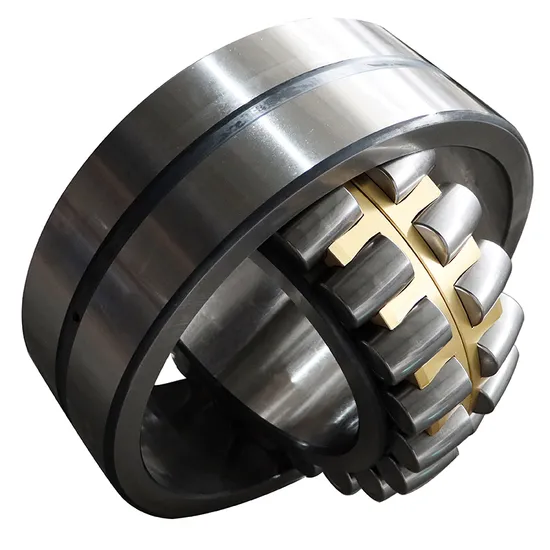
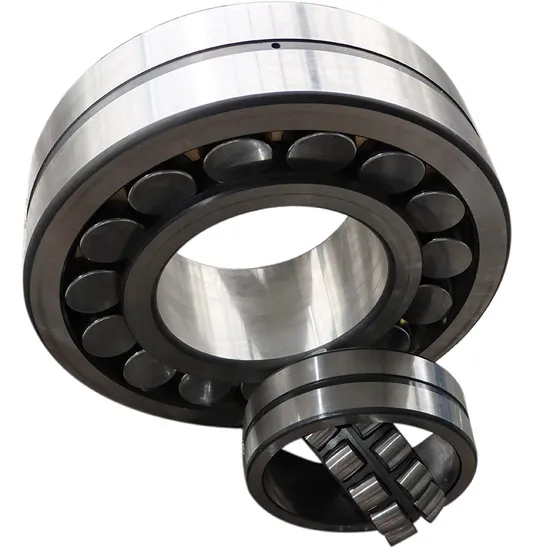
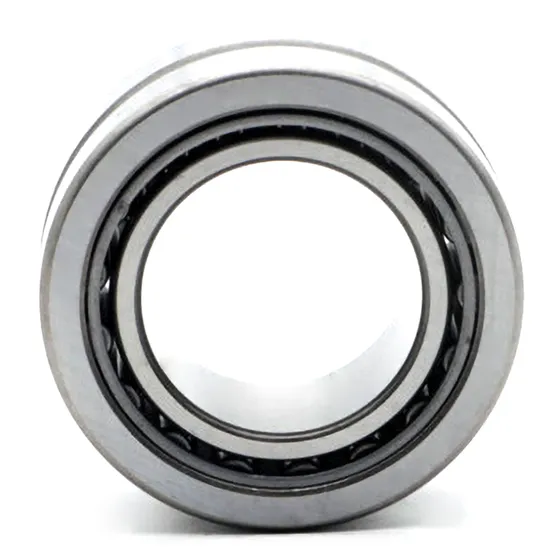
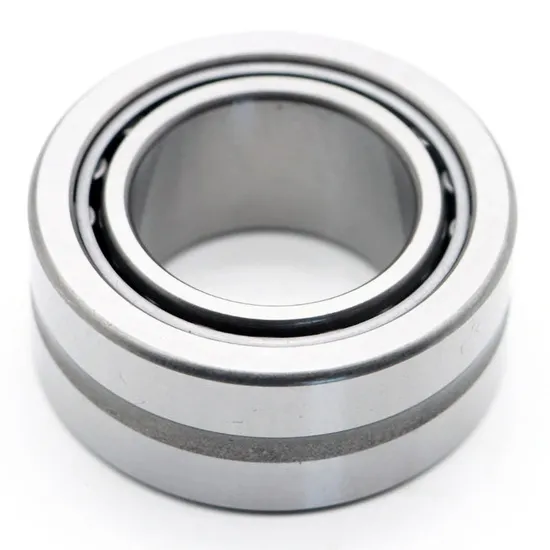
Thrust Roller Bearing Landed Cost Ireland Wholesale Supplier
Most buyers assume the CIF price is the final cost; in reality, Irish VAT and potential anti-dumping duties on specific origins significantly alter the bottom line.
Accurate landed cost calculation for thrust roller bearings in Ireland requires more than just FOB price; it demands precise HS code classification to avoid customs delays and unexpected VAT/duty spikes at Dublin Port. The total expense includes ocean freight, insurance, port handling fees, customs duty based on origin, 23% VAT, and clearance agent fees, all of which must be verified before shipment to prevent budget overruns.
I still remember the panic in my voice when I called a client in Dublin years ago. I was working in after-sales support then, standing next to a wind turbine gearbox that refused to spin because a critical thrust roller bearing was stuck in customs. The paperwork listed a generic HS code that did not match the high-precision specification of the part. The cargo sat at Dublin Port for over ten days while authorities requested material certificates and technical clarifications. The demurrage charges alone exceeded the profit margin of the entire order, and the client had to pay a premium for air freight to get an emergency replacement from stock. That incident shifted my focus from merely selling parts to mastering the logistics and regulatory landscape of importing into Ireland. It taught me that a Thrust Roller Bearing Landed Cost Ireland Wholesale Supplier must prioritize documentation accuracy as much as product quality.
Understanding these hidden costs is essential for any procurement manager or distributor looking to maintain healthy margins. Let us break down exactly where these costs come from and how to manage them effectively.
What Components Make Up the Landed Cost for Bearings in Ireland?
The visible invoice price is only a fraction of the total expenditure; hidden fees such as port surcharges and clearance agent fees often inflate the final bill unexpectedly.
When calculating the true cost of importing, you must look beyond the Free On Board (FOB) or Cost Insurance and Freight (CIF) figures. The landed cost formula for Ireland typically includes several distinct layers. First, there is the base product cost and ocean freight. However, once the vessel arrives at Dublin Port, additional charges apply. These include terminal handling charges (THC), which vary by container size and weight, and documentation fees charged by the shipping line.
Customs duty is another critical component. For industrial bearings, this rate depends heavily on the country of origin and any existing trade agreements between the EU and the exporting nation. [NEED_CITE: EU tariff rates for rolling bearings under HS code 8482] Following duty, Irish Value Added Tax (VAT) is applied to the sum of the goods value, freight, insurance, and duty. Currently, the standard VAT rate is substantial, making it a major line item in the final calculation. Finally, you must account for the customs clearance agent fee. While some larger distributors handle this in-house, most rely on external brokers who charge per entry. A reliable Thrust Roller Bearing Landed Cost Ireland Wholesale Supplier will provide a detailed breakdown of these elements rather than a single vague figure, allowing you to audit each cost driver.
Ignoring any of these components can lead to severe cash flow issues. For instance, if you budget only for duty and forget the VAT impact on the duty-inclusive value, your actual outlay will be significantly higher than projected. This is why transparency in quoting is a key indicator of a professional partner.
How Do HS Codes Impact Duty Rates for Thrust Roller Bearings?
Buyers often assume standard HS codes apply universally; in truth, thrust roller bearings face scrutiny under specific sub-headings requiring detailed technical descriptions to avoid reclassification fines.
The Harmonized System (HS) code is the language of international trade. For bearings, the general heading is 8482. However, this broad category splits into various sub-headings based on bearing type, size, and precision. Thrust roller bearings, specifically those designed for heavy axial loads in applications like wind turbines or mining equipment, may fall under different classifications than standard radial bearings. Misclassifying a high-precision thrust bearing as a general-purpose roller bearing can trigger a customs audit.
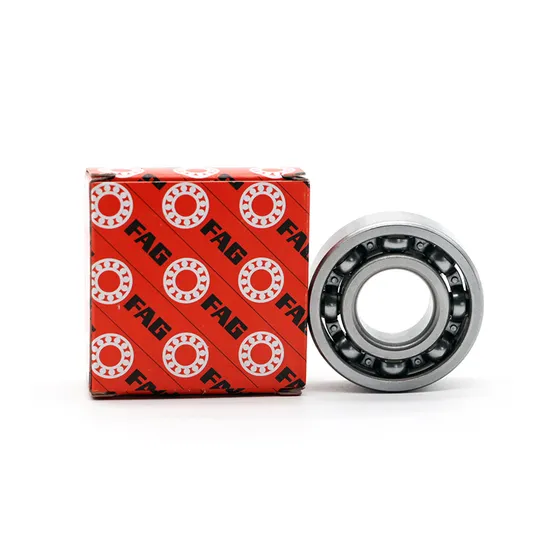
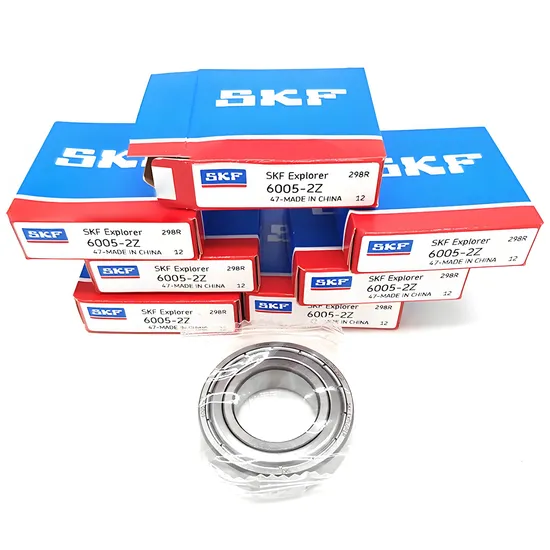
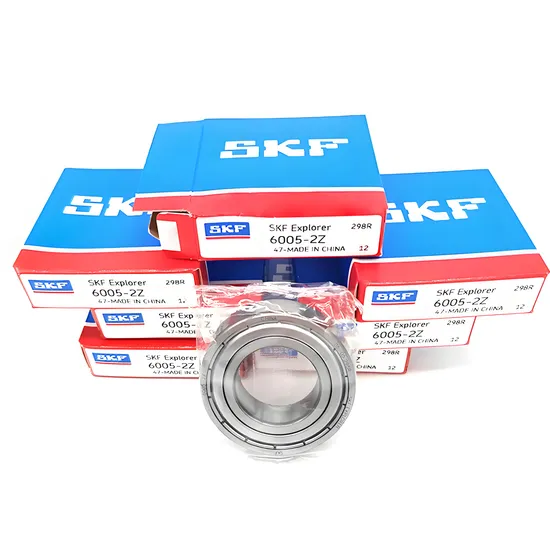
If customs officials determine that the declared code does not match the physical goods, they may reclassify the item into a higher duty bracket. Worse, they might detain the shipment for verification, leading to storage fees and project delays. [NEED_CITE: Irish Revenue Commissioners guidelines on customs classification disputes] In one case, a mixed-brand container arrived with SKF and TIMKEN products declared under a single generic code. Because different brands sometimes have varying manufacturing origins or specific technical features that affect classification, the entire container was held for inspection. The delay cost the importer dearly in lost productivity.
To mitigate this risk, ensure your supplier provides the exact HS code used for export, along with a detailed commercial invoice that describes the bearing’s technical specifications, such as bore diameter, outer diameter, and precision class. A knowledgeable Thrust Roller Bearing Landed Cost Ireland Wholesale Supplier will verify these codes against the latest EU tariff database before shipment, ensuring that the duty rate applied is accurate and defensible.
Precision in documentation prevents the kind of bureaucratic entanglement that turns a routine import into a logistical nightmare. It is not just about paying the right tax; it is about ensuring the smooth flow of goods through the border.
What Are the Common Customs Clearance Pitfalls at Dublin Port?
Documentation errors and technical verification delays are the primary drivers of inflated costs, often surpassing the actual duty amounts.
Dublin Port is a busy hub, and efficiency is paramount. However, certain pitfalls frequently trap importers. One common issue is the lack of traceability documentation. For high-precision thrust bearings, customs may request Material Test Certificates (MTCs) or proof of origin to verify that the goods comply with EU standards and are not subject to anti-dumping measures. If these documents are missing or incomplete, the clearance process halts.
Another pitfall involves inconsistent branding in mixed containers. When importing a mix of premium international brands and domestic lines, each brand may require different levels of documentation. Failure to separate these clearly in the packing list can lead to confusion during inspection. I recall a shipment where the packing list did not clearly distinguish between genuine branded bearings and compatible alternatives. Customs officers, unable to verify authenticity quickly, detained the cargo for weeks. The resulting demurrage costs were staggering, and the client missed a critical maintenance window for their machinery.
To avoid these issues, work with a supplier who performs pre-shipment documentation checks. They should ensure that every box is labeled correctly, every certificate is attached, and the commercial invoice matches the physical cargo exactly. This level of diligence is what separates a basic vendor from a true Thrust Roller Bearing Landed Cost Ireland Wholesale Supplier. By addressing these potential bottlenecks before the ship leaves the port of origin, you safeguard your timeline and your budget.
Proactive management of documentation is far cheaper than reactive crisis management. It ensures that your bearings arrive ready for installation, not stuck in a customs yard.
How Can Wholesalers Optimize Import Costs for Mixed-Brand Orders?
Strategic consolidation and accurate declaration can streamline clearance and reduce per-unit costs significantly.
Importing mixed-brand orders is common for distributors who need to offer a wide range of options to their clients. However, this complexity can increase clearance costs if not managed properly. One effective strategy is to consolidate shipments from multiple suppliers into a single container, but this requires meticulous planning. Each brand’s origin must be clearly declared, as duty rates can vary. For example, bearings from certain countries may benefit from preferential trade agreements, while others might face standard or even punitive tariffs.
By grouping items with similar duty rates and documentation requirements, you can simplify the clearance process. Additionally, using a single, experienced customs broker who understands the nuances of bearing imports can reduce agent fees and minimize the risk of errors. Some suppliers offer DDP (Delivered Duty Paid) services, which shift the liability and cost visibility to them. While this might seem convenient, it often masks the true landed cost, making it harder for you to analyze your margins. Opting for DAP (Delivered At Place) allows you to control the clearance process and potentially negotiate better rates with local agents.
A strategic Thrust Roller Bearing Landed Cost Ireland Wholesale Supplier will help you navigate these choices. They can advise on the most cost-effective Incoterms for your specific volume and frequency of orders. They can also provide insights into which brands offer the best balance of quality and duty efficiency for the Irish market. This collaborative approach ensures that you are not just buying bearings, but optimizing your entire supply chain.
Optimization is not about cutting corners; it is about making informed decisions that align with your business goals. It requires a partner who understands both the product and the process.
Conclusion
Accurate cost calculation and precise documentation are the foundations of profitable bearing imports.
Importing thrust roller bearings into Ireland involves more than just negotiating a good price. It requires a deep understanding of landed cost components, HS code implications, and customs clearance procedures. By avoiding common pitfalls and working with a transparent partner, you can ensure that your imports are cost-effective and timely. A reliable Thrust Roller Bearing Landed Cost Ireland Wholesale Supplier provides the expertise needed to navigate these complexities, turning potential risks into manageable processes. Focus on clarity, accuracy, and proactive planning to keep your supply chain running smoothly.