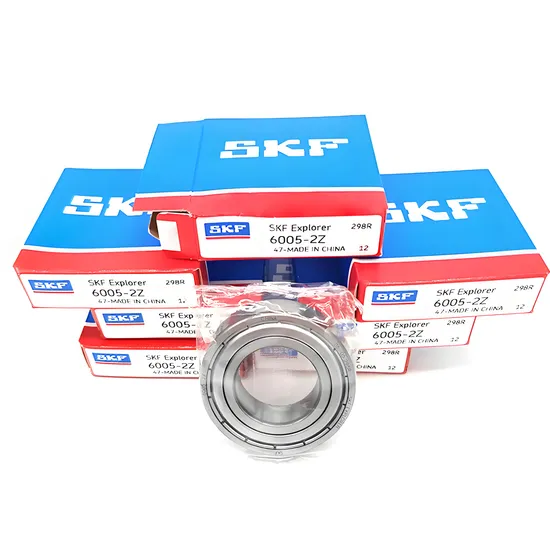
Genuine SKF FAG NSK Bearings Wholesale Supplier for Ireland Buyers Bulk
The cheapest quote is often the most expensive mistake.
Securing genuine bearings in bulk for the Irish market requires rigorous traceability documentation and verified supply chains, not just price comparison. For industrial distributors and MRO managers, the primary risk is not overpaying, but receiving counterfeit components that lead to catastrophic equipment failure and customs delays. A reliable Genuine Bearings Supplier Ireland must provide batch-specific certification and clear origin proofs to ensure compliance with EU import regulations and operational safety.
Having spent years navigating the complex logistics hubs of the Middle East before shifting focus to European trade routes, I learned that paperwork is as critical as the metal itself. In Dubai’s Jebel Ali port, I watched containers of "genuine" brands get held up for weeks because the certificate of origin did not match the batch numbers on the boxes. That experience shaped my approach: without perfect documentation, the physical product is irrelevant. Irish buyers face similar scrutiny at Dublin and Cork ports, where incomplete trails trigger intense customs audits. The cost of downtime from a failed bearing far outweighs the marginal savings from an unverified source. [NEED_CITE: economic impact of unplanned downtime in heavy industry]
Why Is Authenticity Critical for Irish Industrial Buyers?
Counterfeit bearings are not just inferior; they are dangerous liabilities.
In heavy industries like mining, construction, and marine operations, which are significant sectors in Ireland, the failure of a single critical bearing can halt an entire production line. The visual similarity between high-quality counterfeits and authentic products has improved dramatically, making visual inspection alone insufficient for bulk procurement. Many buyers assume that if the logo looks correct, the part is safe. This is a dangerous misconception.
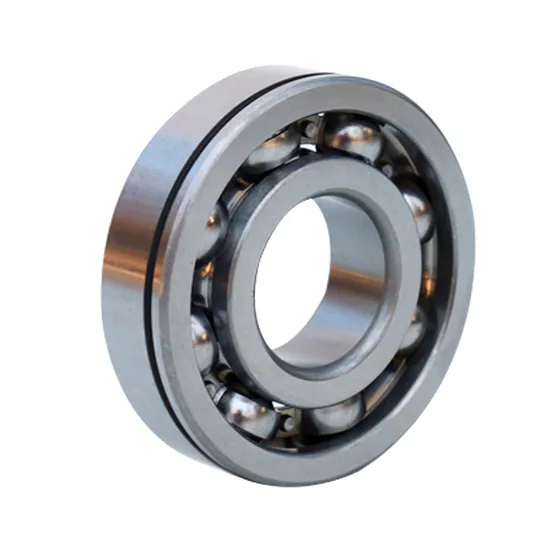
A client in the construction sector once sourced a bulk order of deep-groove ball bearings from a low-cost trader. The parts looked identical to the brand-name originals. However, within months, multiple units failed under standard load conditions. Upon disassembly, the cage material was found to be inconsistent with the manufacturer’s specifications, leading to premature wear. The resulting downtime lasted for weeks, costing the client significantly more than the initial price difference saved by choosing the cheaper supplier. [NEED_CITE: common failure modes in counterfeit bearings per ISO 15243]
| Risk Factor | Verified Supply Chain | Unverified Low-Cost Source |
|---|---|---|
| Material Integrity | Certified steel grades with traceable heat numbers | Unknown alloy composition, prone to early fatigue |
| Documentation | Full Certificate of Origin and Material Test Reports | Missing or forged papers, causing customs delays |
| Operational Life | Meets manufacturer’s rated L10 life expectancy | Unpredictable lifespan, often substantially shorter |
| Customs Compliance | Smooth clearance with valid EU import docs | High risk of seizure or extended inspection holds |
For an Irish distributor, reputation is everything. Supplying a fake part to a local factory can destroy long-term relationships. Therefore, partnering with a Genuine Bearings Supplier Ireland who prioritizes transparency over rock-bottom pricing is essential. The supply chain must be short and verifiable, reducing the number of hands the product passes through before reaching the end user.
How to Identify Genuine SKF, FAG, and NSK Bearings?
Brand authorization letters are not enough; you need batch-level traceability.
Many buyers rely solely on a supplier’s claim of being an "authorized distributor." While important, this does not guarantee that every box in a mixed container is authentic. Counterfeiters often mix real and fake stock, or sell genuine packaging with inferior internals. Real verification lies in the details of the product itself and the accompanying documents.
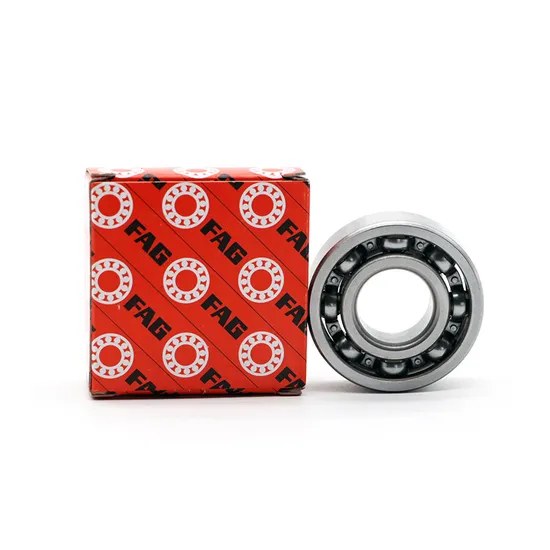
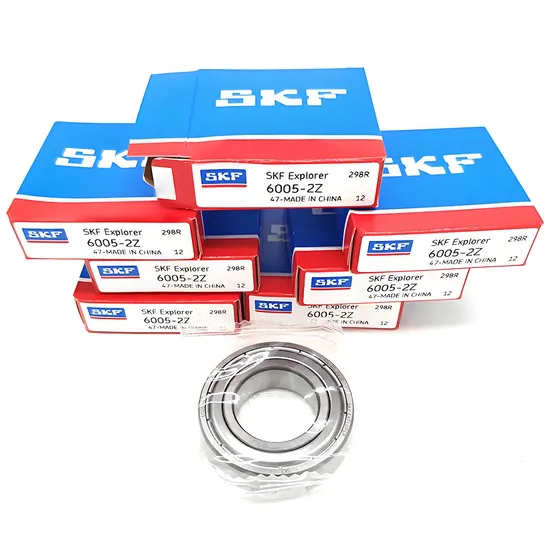
Visual inspection checkpoints include the quality of the packaging, the clarity of laser etching on the bearing rings, and the consistency of the cage material. Authentic SKF, FAG, and NSK bearings feature precise, clean laser markings that are difficult to replicate perfectly. The packaging should also show no signs of tampering, with security seals intact. However, these visual cues are just the first layer of defense.
The definitive proof comes from documentation. A credible Genuine Bearings Supplier Ireland will provide:
- Certificate of Origin: Clearly stating the manufacturing country and facility.
- Material Test Reports: Linking specific batch numbers to steel quality tests.
- Brand Authorization Letters: Current and valid for the specific brands supplied.
Without these documents, the bearings are essentially unverified commodities. In one instance, a shipment was delayed at an Irish port because the Certificate of Origin lacked the specific batch numbers corresponding to the invoice. The customs authorities required proof that the goods were not subject to anti-dumping duties from certain regions. The delay cost the buyer valuable time and storage fees. This highlights why 100% document accuracy is non-negotiable. [NEED_CITE: EU customs regulations for industrial imports]
What Documentation Is Required for Irish Customs Clearance?
Incomplete paperwork turns a routine shipment into a logistical nightmare.
Ireland, as part of the EU, adheres to strict import regulations. For industrial components like bearings, customs officials look for consistency across all documents. Any discrepancy between the commercial invoice, packing list, and Certificate of Origin can trigger a manual inspection. This process can add days or even weeks to the lead time, disrupting maintenance schedules.
Key documents required include:
- Commercial Invoice: Must detail the HS code, quantity, unit price, and total value accurately.
- Packing List: Should match the invoice exactly, including weight and dimensions.
- Certificate of Origin: Must be issued by the relevant chamber of commerce or authority in the exporting country.
- Bill of Lading/Air Waybill: Proof of shipment and title transfer.
For bearings, additional technical documentation such as Material Test Reports may be requested if there are questions about the material composition or origin. A professional Genuine Bearings Supplier Ireland will ensure that all these documents are prepared and cross-checked before the goods leave the warehouse. This proactive approach prevents surprises at the border.
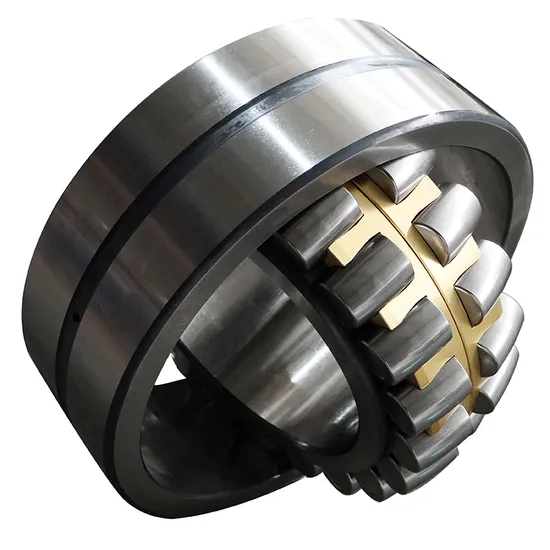
A European wind farm operator once faced a critical shortage of spherical roller bearings. The supplier had shipped the goods quickly, but the Certificate of Origin was missing the specific factory address. Irish customs held the shipment for verification, causing a delay that threatened the project timeline. The issue was resolved only after the supplier provided corrected documents from the manufacturer, but the stress and potential penalties were avoidable with proper initial preparation. [NEED_CITE: importance of accurate customs documentation for timely clearance]
How to Optimize Bulk Sourcing Costs Without Compromising Quality?
Consolidation is the key to balancing cost and authenticity.
Buying in bulk does not always mean filling a whole container with a single SKU. For many Irish workshops and smaller distributors, demand is spread across various brands and sizes. Ordering small batches from multiple official channels often results in high shipping costs and administrative overhead. A smarter strategy is mixed-brand consolidation.
By combining small batches of SKF, FAG, NSK, and other premium brands into a single container, buyers can optimize logistics costs. This approach requires a supplier who has access to diverse stock and the capability to manage complex inventory. It also allows for better negotiation on freight rates, as full container loads are cheaper per unit than less-than-container-load shipments.
However, consolidation must not compromise traceability. Each brand’s items must be kept separate in packaging and documentation to maintain their individual integrity. A reliable Genuine Bearings Supplier Ireland will offer this flexibility, ensuring that each item in the mixed container is accompanied by its specific certification. This method reduces the total landed cost while maintaining the assurance of genuine products.
| Sourcing Strategy | Cost Efficiency | Traceability Risk | Logistics Complexity |
|---|---|---|---|
| Single Brand Direct | Low (High MOQ) | Low | Low |
| Mixed Local Wholesalers | Medium | High (Varied sources) | High (Multiple shipments) |
| Consolidated Bulk Import | High | Low (Single verified source) | Medium (Managed by supplier) |
This model is particularly effective for MRO managers who need to maintain a broad inventory of spare parts without tying up excessive capital in large single-brand orders. It provides the flexibility to respond to diverse equipment needs while keeping costs under control.
What Are the Red Flags When Selecting a Bearing Supplier?
Transparency is the ultimate test of reliability.
Not all suppliers are created equal. Some red flags indicate a higher risk of dealing in counterfeit or substandard goods. Lack of transparency regarding the origin of the goods is a major warning sign. If a supplier cannot or will not provide detailed information about where the bearings were manufactured, it is best to walk away.
Other red flags include:
- Vague Origin Details: Statements like "European quality" without specifying the country or factory.
- Unwillingness to Provide Samples: Refusing to send a sample for inspection before a bulk order.
- Pressure to Pay Upfront: Demanding full payment before any documentation is shared.
- Prices Too Good to Be True: Significant deviations from market averages often indicate compromised quality.
A trustworthy Genuine Bearings Supplier Ireland will be open about their sourcing channels and willing to share verification documents. They will understand the importance of these checks for Irish buyers and facilitate the process rather than obstruct it. Building a relationship with such a supplier ensures long-term stability and peace of mind.
In my experience, the best suppliers are those who ask as many questions as they answer. They want to understand your application to ensure the right product is supplied. This level of engagement is a strong indicator of professionalism and commitment to quality. [NEED_CITE: best practices for supplier verification in industrial procurement]
Conclusion
Authenticity protects your operation; documentation protects your import.
Sourcing genuine bearings for the Irish market demands a balance of cost efficiency and rigorous verification. By focusing on traceable supply chains, complete documentation, and strategic consolidation, buyers can mitigate the risks of counterfeits and customs delays. Partnering with a knowledgeable Genuine Bearings Supplier Ireland ensures that every bearing delivered meets the highest standards of quality and compliance.