Genuine SKF Bearings Wholesale Supplier & Cross-Reference Guide
Counterfeit SKF bearings can pass a visual inspection under warehouse lighting and still fail within weeks on the shop floor.
The fastest way to spot fake SKF bearings is to verify the QR code domain, cross-check the laser marking depth, and confirm the supplier sits on SKF’s authorized distributor list — packaging alone is no longer proof of authenticity.
I still remember a shipment of 6205 deep groove ball bearings bound for a Dubai client. The cartons looked perfect — clean print, correct color banding, even the SKF logo sat centered. But when the client scanned the QR code on the inner box, it redirected to a domain that had nothing to do with SKF’s official verification portal. We pulled the entire batch, opened a few units, and found the laser-etched supplemental codes were shallow enough to smear under a fingernail. The bearings themselves were genuine steel, but the internal clearance and surface finish told a different story. That job cost us a full container in returns and taught me that spotting fakes starts long before you crack open a box [NEED_CITE: SKF official anti-counterfeit verification workflow and QR domain validation].
What follows is a field-tested breakdown of how to spot fake SKF bearings — built from years of handling swap cases, cross-referencing brand equivalents, and sourcing exclusively through verified channels.
Why Are Fake SKF Bearings So Hard to Detect?
Modern counterfeiters have upgraded from sloppy knockoffs to near-identical replicas, shifting the detection burden from the naked eye to digital verification and supply-chain audits.
A decade ago, a fake SKF bearing was easy to catch — misspelled logos, blurry text, wrong grease weight. Today, counterfeit workshops can reproduce outer packaging with alarming fidelity. The cardboard stock, Pantone color matching, and even the holographic stickers look legitimate at a glance. What they cannot replicate consistently is the digital chain behind the label.
The real tell lies in three layers that most buyers skip:
- The QR code redirect domain — genuine SKF codes route to SKF’s official verification portal, while tampered codes often bounce to lookalike domains or generic tracking pages.
- The micro-text embedded in anti-counterfeit labels — visible only under magnification, this feature is costly for counterfeiters to reproduce at scale.
- The authorized distributor lineage — every genuine SKF bearing traces back through a documented chain from factory to end user [NEED_CITE: SKF authorized distributor verification tool and channel traceability requirements].
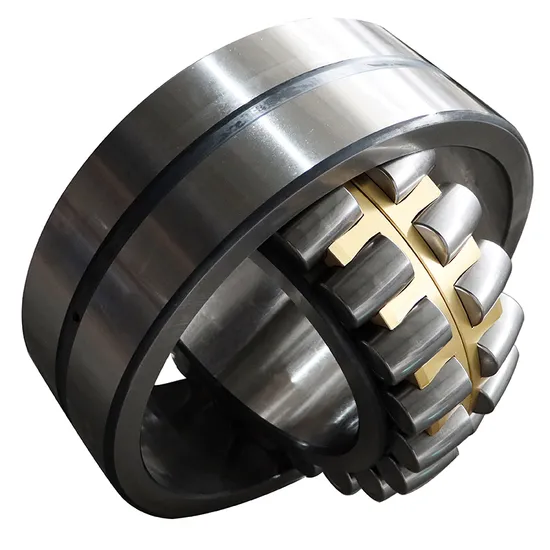
I once reviewed a batch of 22320 spherical roller bearings for an African mining client. The outer boxes passed every visual check. But when we ran the batch codes through SKF’s verification app, the system flagged them as unregistered. A subsequent lab check showed the roller hardness fell noticeably below the expected range, and early pitting appeared within months of installation [NEED_CITE: ISO 15243 damage classification and rolling bearing failure analysis].
The uncomfortable truth is that visual inspection alone is no longer sufficient. Buyers who rely solely on packaging aesthetics are gambling with machinery uptime.
What Are the Top Visual Signs of a Fake SKF Bearing?
Packaging anomalies, inconsistent laser markings, and substandard surface finish are the first red flags — and they can be assessed before any payment changes hands.
When I walk through a warehouse and pick up a suspicious unit, I follow a repeatable visual sequence. It is not foolproof, but it catches the majority of counterfeits before they reach the mounting stage.
Packaging Details
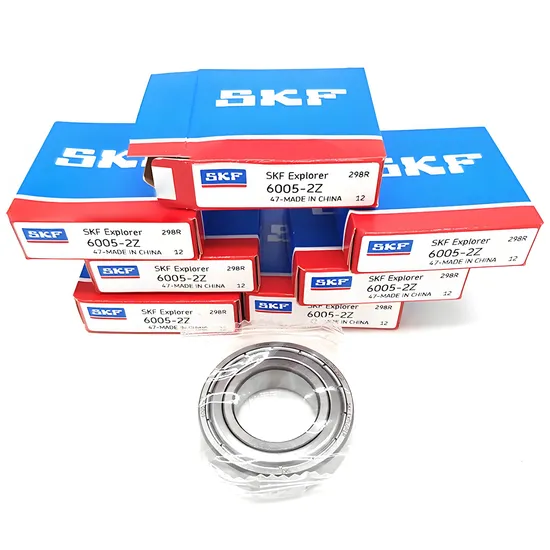
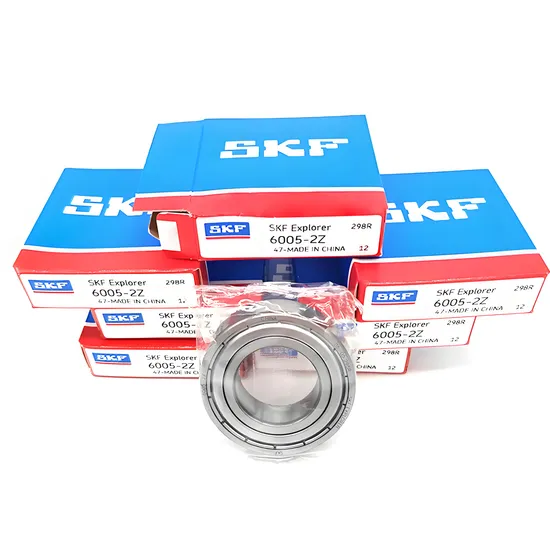
Genuine SKF packaging uses precise font spacing, consistent color codes, and batch stamping in specific positions. Counterfeit boxes often show subtle deviations — slightly off-center logos, font weight inconsistencies, or batch numbers stamped in locations that do not match SKF’s standard layout.
| Packaging Feature | Genuine SKF | Counterfeit |
|---|---|---|
| QR code redirect domain | Official SKF portal | Unverified or lookalike domain |
| Micro-text on hologram | Verifiable under magnification | Blurred or absent |
| Batch stamp position | Standardized per product line | Inconsistent or misplaced |
| Inner box material quality | Controlled stock grade | Noticeably thinner or glossier |
Laser Marking on the Bearing
The bearing itself carries the most telling marks. SKF uses laser etching for the brand logo, model number, and supplemental codes. On genuine units, the etching depth is uniform and crisp. On counterfeits, the marking often appears shallow, uneven, or slightly misaligned — and in some cases, the supplemental code is completely missing.
Surface Finish and Chamfer
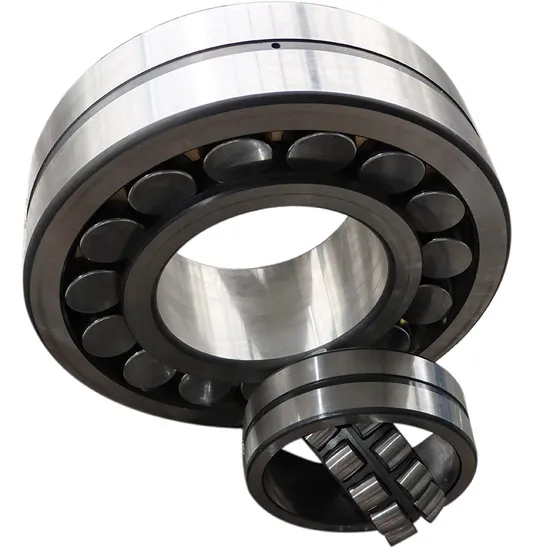
A genuine SKF bearing has a consistent surface roughness across the outer ring, inner ring, and rolling elements. The chamfer edges are clean and uniform. Counterfeit bearings, typically machined from lower-cost steel, may look smooth at first glance but reveal uneven grinding marks and rough chamfer transitions under close inspection [NEED_CITE: bearing surface roughness and chamfer quality standards per ISO 492].
A Latin American trader once brought me three quotations for the same 32218 tapered roller model. The lowest-priced option arrived without any origin certificate or authorized channel documentation. When we compared the physical samples, the cheapest unit showed visibly coarser grinding lines and a chamfer edge that caught under a thumbnail. The two higher-priced samples, sourced from verified distributors, were dimensionally and visually consistent [NEED_CITE: SKF country-of-origin identification and mill test report requirements].
How Do You Verify SKF Bearing Authenticity Digitally?
SKF’s official app and QR verification tools are reliable — but only when used correctly, and a failed scan result is itself a critical data point.
Digital verification is the single most effective step in the anti-counterfeit process, yet many buyers use these tools incorrectly or ignore the warning signs entirely.
Step-by-Step Verification Process
- Scan the QR code on the outer packaging using a standard smartphone camera or QR reader — do not use a third-party app that may redirect through an intermediary.
- Check the redirect domain carefully. The URL must lead to SKF’s official verification portal. Any deviation — a misspelled domain, a generic tracking page, or a non-SKF subdomain — is a red flag.
- Enter the batch or serial number manually if the QR scan fails or redirects incorrectly. The SKF app allows manual entry for cross-checking.
- Verify the product details returned — model number, production origin, and batch information must match what is printed on the packaging and the bearing itself.
- Document the result — screenshot the verification page and retain it with your incoming inspection records [NEED_CITE: SKF official app verification workflow and common scan error patterns].
Common Verification Mistakes
Many buyers assume that a successful QR scan means the product is genuine. This is incorrect. A counterfeit package can carry a copied QR code that redirects to the genuine SKF portal — but the batch number behind it will not match the physical unit. Always cross-check the returned data against the bearing’s own laser markings.
I worked with a Middle East distributor who received a batch of 6206 bearings. The QR codes scanned successfully and returned valid-looking results. But when we cross-referenced the batch numbers with the bearing markings, three out of ten units showed mismatched codes. The supplier had pasted genuine QR labels onto counterfeit boxes — a tactic that defeats casual scanning but fails under systematic verification [NEED_CITE: SKF anti-counterfeit case studies and tampered label detection methods].
What Documentation Should You Demand from Your SKF Supplier?
Authorized distributor certificates, original mill test reports, and clear country-of-origin labels are the minimum documentation package — anything less signals gray-market risk.
Documentation is where many online purchases fall apart. A supplier may offer competitive pricing, but if they cannot produce verifiable paperwork, the cost of a single bearing failure will dwarf any upfront savings.
Essential Documents
- Authorized Distributor Certificate — confirms the supplier is recognized by SKF to sell genuine products in their region. This can be independently verified through SKF’s official distributor search tool.
- Mill Test Reports (MTRs) — provide traceability from the steel batch to the finished bearing, including material composition and heat treatment records.
- Country-of-Origin Label — genuine SKF bearings are produced in specific facilities (SKF France, SKF Germany, SKF China, etc.). The origin must match the documentation and be consistent with SKF’s published production locations [NEED_CITE: SKF global manufacturing facility list and country-of-origin verification].
- Certificate of Conformity — confirms the batch meets SKF’s internal quality standards and applicable ISO specifications.
Red Flags in Documentation
- Missing or photocopied certificates without verifiable issuing authority.
- Origin labels that do not match SKF’s known production facilities.
- Inability to provide batch-level traceability when requested.
- Pricing that falls significantly below SKF’s global distribution price range — genuine SKF maintains controlled pricing tiers, and deeply discounted stock is almost always refurbished, swapped, or counterfeit [NEED_CITE: SKF global pricing structure and authorized channel margin guidelines].
When I source bearings for clients, I treat documentation as non-negotiable. A supplier who hesitates to provide these documents is not worth the risk — regardless of how attractive the price may seem.
How to Source Genuine SKF Bearings Without Overpaying?
Buying from verified tier-1 dealers with cross-reference support ensures authenticity while maintaining competitive pricing — and it eliminates the hidden cost of counterfeit failures.
The misconception that "genuine means expensive" drives many buyers toward gray-market suppliers. In reality, the total cost of a counterfeit bearing — including premature failure, machine downtime, and replacement labor — runs substantially higher than sourcing genuine stock through proper channels from the start.
The Cross-Reference Advantage
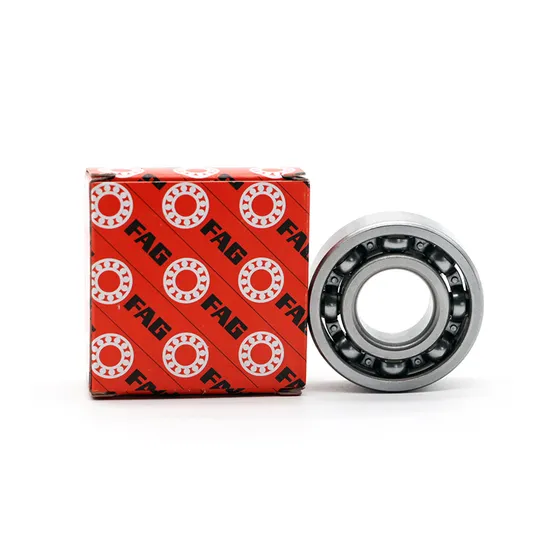
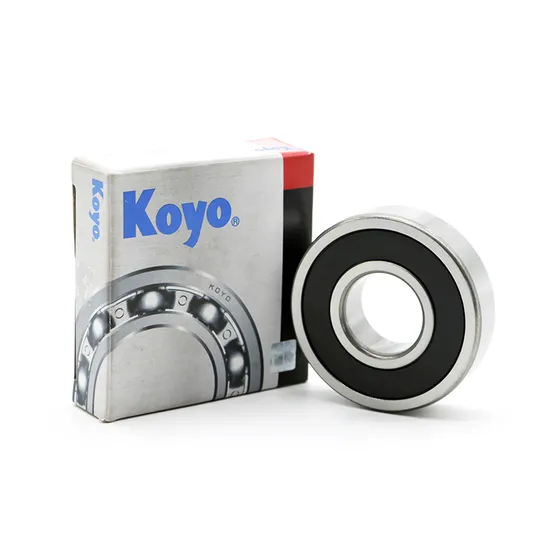
One of the most effective ways to maintain competitive pricing without sacrificing authenticity is through brand cross-referencing. SKF bearings have direct equivalents across NSK, FAG, TIMKEN, NTN, and KOYO. When SKF stock faces long lead times or regional price inflation, a verified cross-reference to an equivalent brand — sourced through the same authorized channel discipline — can deliver the same performance at a more accessible price point [NEED_CITE: SKF to NSK FAG TIMKEN NTN KOYO cross-reference interchange methodology].
For example, a European wind farm operator needed 30206 tapered roller bearings urgently. SKF lead times stretched across several months. Through cross-reference analysis, we identified a TIMKEN equivalent with matching dimensional and load specifications, sourced through a verified distributor, and delivered within weeks — at a fraction of the gray-market SKF premium.
Sourcing Best Practices
- Always confirm the supplier’s authorized status through SKF’s official tool before placing an order.
- Request batch-level documentation and retain it for your records.
- Use cross-reference charts to identify equivalent brands when lead times or pricing become prohibitive.
- Avoid suppliers who cannot explain their supply chain lineage — even if their prices appear attractive.
The goal is not to find the cheapest bearing. The goal is to find the most reliable bearing at a fair price — and that requires a supplier who treats authenticity as a baseline, not an option.
Conclusion
Spotting fake SKF bearings requires moving beyond visual inspection into digital verification, documentation auditing, and authorized channel confirmation. Counterfeiters have closed the gap on packaging quality, but they cannot replicate the digital traceability and supply-chain lineage that genuine SKF products carry. By combining QR verification, laser marking assessment, and rigorous documentation checks — and by leveraging cross-reference alternatives when needed — buyers can protect their operations from the hidden costs of counterfeit stock.