SKF Distributor List: Verify Authenticity & Wholesale Sourcing
Having an SKF logo stamped on the box does not guarantee you are holding a genuine bearing.
To verify an SKF distributor from the official SKF distributor list, you must cross-check the distributor’s authorization certificate number against SKF’s online verification tool, inspect packaging anti-counterfeit features including font precision and clearance code engraving, and trace the batch number through SKF’s QR code system to confirm country-of-origin records. Relying on any single method leaves procurement exposed to refurbished or counterfeit products that pass surface-level inspection.
I spent years on installation sites across Central Asia, swapping out main shafts on roller presses in mining operations. One shipment of spherical roller bearings to a Kazakh client failed within months—the cage fractured, and the rollers showed visible spalling. When I flew out to inspect the wreckage, the packaging told the story before I even opened the box: the stamp font was noticeably thicker than genuine SKF markings, the clearance code was blurred, and the country-of-origin label was crooked. That batch was never from the manufacturer’s production facilities. Since then, I have focused entirely on helping buyers navigate authorized sourcing channels and cross-reference verification across SKF, NSK, FAG, and TIMKEN product lines. The pattern is always the same—buyers assume a low price means a good deal, only to discover the real cost months later when equipment goes down unexpectedly [NEED_CITE: root cause distribution per ISO 15243].
Let me walk you through the verification process that separates genuine procurement from costly mistakes.
How Do I Check if an SKF Distributor Is Authorized?
Access SKF’s official authorized distributor search tool on the SKF website or mobile application, then cross-reference the distributor’s authorization certificate number to confirm active status and territorial coverage.
The SKF distributor list is publicly available, but simply finding a company name on that list is not sufficient verification. Authorization certificates have expiration dates, territorial restrictions, and specific product line coverage. A distributor may be authorized for certain bearing categories but not others, or their authorization may have lapsed without being removed from outdated directories.
The verification process follows these steps:
- Visit the official SKF website and navigate to the distributor locator tool
- Enter your country or region to generate the SKF distributor list for your market
- Request the distributor’s authorization certificate and note the certificate number
- Cross-check the certificate number through SKF’s verification portal or by contacting SKF regional offices directly
- Confirm the certificate’s validity period, authorized product categories, and any territorial limitations
A Middle East trading company once contacted me after purchasing a large batch of deep groove ball bearings from a supplier whose name appeared on the SKF distributor list. When we ran the authorization certificate through verification, the certificate had expired several months before the transaction. The supplier had not renewed their authorization but continued operating under the assumption that buyers would not check. The entire batch required re-sourcing, and the delay cost the end user extended downtime across multiple production lines [NEED_CITE: authorization certificate verification procedures per SKF anti-counterfeit guidelines].
The risk extends beyond expired certificates. Some suppliers operate in gray markets, acquiring genuine bearings through unauthorized channels and reselling them without manufacturer support. While the bearings may be authentic, you lose warranty coverage, technical support, and traceability—critical factors when procurement decisions affect equipment reliability.
Always request documentation before placing orders. A legitimate distributor from the SKF distributor list will provide authorization certificates without hesitation and will cooperate with your verification process. Resistance or delay in providing documentation is a warning sign that warrants deeper investigation.
What Packaging Details Reveal Fake SKF Bearings?
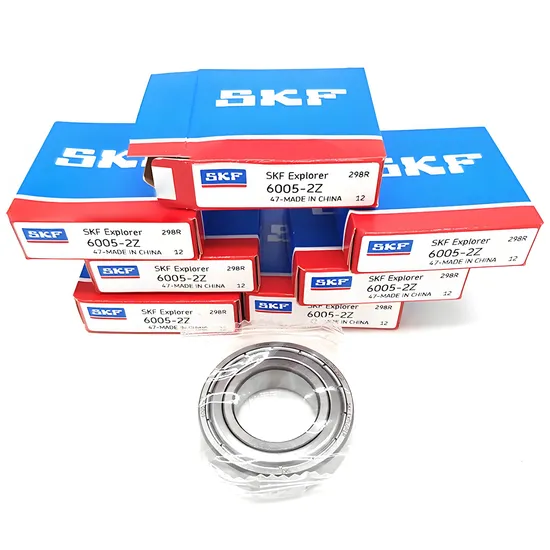
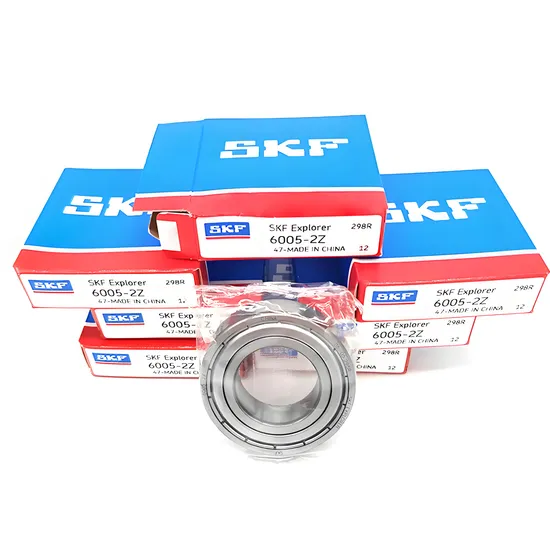
Genuine SKF packaging exhibits precise font stamping,清晰 clearance code engraving, correctly positioned country-of-origin labels, and integrated QR codes—deviations in any of these features indicate potential counterfeiting or refurbishment.
The packaging is your first line of defense, and counterfeiters consistently fail to replicate SKF’s packaging standards at scale. The differences are subtle but unmistakable once you know what to look for.
Font precision on genuine SKF packaging follows strict manufacturing specifications. The stamping is clean, with consistent line weight and sharp edges. Counterfeit packaging often shows font that appears thicker, blurred, or uneven—signs of inferior printing processes or attempts to replicate markings through manual methods.
Clearance codes such as C3, C4, or CN are engraved with precision on genuine bearings and packaging. These codes must be legible and properly aligned. Blurred, shallow, or misaligned clearance codes are immediate red flags. The engraving depth and consistency reflect the manufacturer’s quality control standards, which counterfeiters cannot replicate without significant investment in tooling [NEED_CITE: packaging authentication features per bearing industry anti-counterfeit standards].
Country-of-origin labels on genuine SKF products are positioned consistently and printed with high-quality adhesives. Crooked labels, poor adhesion, or labels that appear to have been applied after the fact suggest tampering or repackaging. SKF operates production facilities across multiple countries including Sweden, China, and India, so the country of origin will vary—but the label application quality remains consistent regardless of manufacturing location.
A European maintenance contractor once sent me photos of bearings they had received from an online marketplace. The SKF logo was present, but the font on the outer ring was visibly different from bearings they had purchased through authorized channels. The clearance code C3 was barely legible, and the country-of-origin label was peeling at the edges. Cross-referencing the batch number revealed no matching records in SKF’s system. The bearings were counterfeit, likely manufactured in an uncontrolled facility and packaged to mimic genuine products.
When inspecting packaging, compare against known genuine samples whenever possible. Even small deviations in font weight, label positioning, or engraving clarity warrant further investigation through QR code verification and batch number tracing.
How Can I Verify Bearing Authenticity via QR Code and Batch Number?
Scan the QR code on SKF bearing packaging using SKF’s official verification application or website, then cross-reference the batch number against SKF’s production records to confirm authenticity, manufacturing location, and distribution channel.
SKF has implemented QR code-based traceability systems across their product lines to combat counterfeiting. Each genuine SKF bearing package includes a unique QR code that links to verification data including batch number, manufacturing date, and country of origin.
The verification process works as follows:
- Locate the QR code on the bearing packaging—typically positioned on the label or directly printed on the box
- Use SKF’s official mobile application or visit the verification page on SKF’s website
- Scan the QR code or manually enter the batch number if scanning is not possible
- Review the verification results, which should confirm the product’s authenticity and provide manufacturing details
- Cross-check the returned information against the documentation provided by your supplier
A Central Asian mining operation purchased a full order of tapered roller bearings from a new supplier. The packaging appeared legitimate at first glance, but when the maintenance team scanned the QR codes, the verification system returned batch numbers that did not match SKF’s production records. Further investigation revealed that the QR codes had been copied from genuine products and printed onto counterfeit packaging. The batch numbers were real, but they corresponded to products manufactured years earlier and distributed through different channels [NEED_CITE: QR code traceability implementation per SKF digital authentication systems].
Batch number verification is critical because counterfeiters often reuse legitimate batch numbers from old products. Simply having a valid-looking batch number is not enough—the batch number must correspond to the specific product type, size, and manufacturing period indicated on the packaging. Discrepancies between the QR code data and the physical product are definitive indicators of counterfeiting.
If QR code verification fails or returns inconsistent results, do not install the bearings. Contact SKF directly with the batch number and packaging photographs to initiate an authenticity investigation. Genuine suppliers from the SKF distributor list will support this verification process and will replace any products that fail authentication checks.
Why Does Country of Origin Matter for SKF Bearings?
SKF operates production facilities in multiple countries, and verifying the stated country of origin against SKF’s manufacturing records prevents procurement of counterfeit products marketed as originating from premium manufacturing locations.
SKF’s global manufacturing footprint includes facilities in Sweden, China, India, Germany, France, and other countries. Each facility produces bearings that meet SKF’s quality standards, but counterfeiters exploit buyer preferences by falsely labeling products as originating from specific countries perceived as higher quality.
Some buyers assume that Swedish-manufactured SKF bearings are superior to those manufactured in other locations. While SKF’s Swedish facilities have long production histories, all SKF manufacturing facilities operate under the same quality management systems and produce bearings that meet identical specifications. The country of origin should match SKF’s records for the specific product type and batch—not buyer expectations about manufacturing location [NEED_CITE: SKF global manufacturing facility quality standards per ISO 9001 certification requirements].
A South American industrial buyer requested SKF bearings with specific country-of-origin requirements for a government contract. The supplier provided documentation stating the bearings were manufactured in Sweden, but QR code verification indicated the actual country of origin was China. The supplier had misrepresented the origin, likely because Swedish origin commanded a price premium in that market. While the bearings may have been genuine SKF products from Chinese facilities, the misrepresentation violated procurement specifications and created compliance risks for the end user.
Country-of-origin verification requires cross-referencing multiple data points: the label on the packaging, the QR code verification results, the supplier’s documentation, and SKF’s manufacturing records for that product type and batch. Discrepancies between any of these sources indicate either misrepresentation or counterfeiting.
When sourcing from the SKF distributor list, request country-of-origin documentation before placing orders. Legitimate distributors will provide certificates of origin that can be verified against SKF’s records. If a supplier cannot or will not provide origin documentation, source from an alternative distributor who can demonstrate full traceability.
What Documents Should I Request from an SKF Supplier?
Request the authorization certificate, certificate of origin, and batch inspection reports from any SKF supplier—these documents form the foundation of authenticity verification and provide traceability from manufacturing through delivery.
Procurement documentation is not optional paperwork—it is your evidence chain for authenticity verification. Without proper documentation, you cannot confirm that products came from authorized channels, that the country of origin matches SKF’s records, or that the specific batch has passed quality inspection.
The essential documents include:
Authorization Certificate: Confirms the supplier’s status on the SKF distributor list and specifies the scope of their authorization including product categories, validity period, and territorial coverage. Request a copy of the current certificate and verify the certificate number through SKF’s verification system.
Certificate of Origin: Specifies the country where the bearings were manufactured. This document must align with the country-of-origin information returned by QR code verification and with SKF’s manufacturing records for that product type and batch.
Batch Inspection Reports: Provide quality control data for the specific batch of bearings you are purchasing. These reports confirm that the batch passed SKF’s inspection protocols and meets specification requirements. While not all distributors provide batch-level inspection reports as standard practice, reputable suppliers will furnish them upon request for critical applications.
A Middle East steel mill required documented traceability for all bearings used in continuous casting equipment. When they sourced from a new supplier, the supplier provided authorization certificates and certificates of origin but could not produce batch inspection reports. Further investigation revealed that the supplier was mixing bearings from multiple batches and sources, making it impossible to verify that all products met the required specifications. The steel mill switched to a distributor who could provide complete batch-level documentation, eliminating traceability gaps and reducing quality risk.
When evaluating suppliers from the SKF distributor list, treat documentation requests as a qualification criterion. Suppliers who resist providing documentation or who provide incomplete records are introducing unnecessary risk into your procurement process. Genuine authorized distributors understand the importance of documentation and will cooperate fully with your verification requirements.
For cross-brand procurement involving SKF, NSK, FAG, TIMKEN, NTN, and KOYO products, ensure that documentation is brand-specific and product-specific. Authorization for one brand does not extend to other brands, and certificates of origin must correspond to the specific products in each shipment.
Conclusion
Authenticity verification requires cross-checking authorization status, packaging features, QR code data, and country-of-origin records—no single method is sufficient.
Start with the SKF distributor list, but do not stop there. Verify authorization certificates, inspect packaging for font precision and label quality, scan QR codes to confirm batch numbers, and request complete documentation including certificates of origin and batch inspection reports. Counterfeiters exploit buyers who rely on surface-level verification, but systematic cross-checking exposes discrepancies that reveal fake or refurbished products. Procurement decisions made on verified authenticity protect equipment reliability, prevent unplanned downtime, and eliminate the hidden costs of counterfeit bearings that only become apparent after installation and failure.