
Wind Turbine Main Bearing Preventive Maintenance Schedule Wholesale
Following the OEM manual to the letter is often the fastest way to destroy a main bearing in extreme climates.
A robust Wind Turbine Main Bearing Preventive Maintenance Schedule Wholesale strategy must dynamically adjust lubrication intervals and inspection frequencies based on local environmental severity rather than relying solely on static manufacturer guidelines. Standard European-based schedules frequently fail in high-dust or high-temperature regions because they do not account for accelerated grease carbonization or particulate ingress, leading to premature spalling and catastrophic failure. Effective maintenance integrates condition-based monitoring with adjusted replenishment cycles to ensure bearing longevity.
I remember standing in the nacelle of a turbine in the Adamawa region of Nigeria, the heat radiating off the hub assembly even through my gloves. The client was furious, holding a printed copy of the original equipment manufacturer’s maintenance manual. They had followed every step, yet the main bearing had failed prematurely. When we dismantled the unit, the raceways were covered in severe point corrosion and the grease had turned into a hard, black carbonized crust. The issue was not the quality of the bearing itself, but the rigidity of the maintenance plan. The schedule prescribed lubrication intervals suitable for a temperate coastal wind farm in Northern Europe, not a dusty, high-ambient-temperature site in West Africa. The grease had degraded long before the next scheduled top-up, leaving the rolling elements unprotected against the abrasive dust that had bypassed the seals. That failure shifted my perspective from simply supplying components to understanding how operational context dictates survival. Selling a bearing is only the beginning; ensuring it survives the environment requires a tailored approach to maintenance.
This experience highlights why a one-size-fits-all approach is dangerous. To prevent such failures, operators must understand the specific stressors acting on their assets and adjust their Wind Turbine Main Bearing Preventive Maintenance Schedule Wholesale protocols accordingly.
Why Do Standard Maintenance Schedules Fail in Extreme Climates?
Environmental stressors accelerate degradation mechanisms that standard timelines do not anticipate.
Original equipment manufacturers typically design maintenance schedules based on average operating conditions, often derived from data collected in moderate climates. However, wind farms located in arid, tropical, or industrial zones face unique challenges that drastically shorten the effective life of lubricants and seals. High ambient temperatures cause grease to oxidize and bleed oil more rapidly, while high dust levels increase the risk of particulate contamination entering the bearing cavity. [NEED_CITE: impact of environmental severity on lubricant life per ISO standards]
In many cases, the standard interval for grease replenishment is calculated based on operating hours alone. This ignores the thermal load imposed by the environment. For instance, a bearing running at normal rotational speeds in a 40°C ambient temperature will experience significantly higher internal temperatures than one in a 15°C environment. This thermal stress accelerates the breakdown of the thickener in the grease, reducing its ability to protect the rolling contacts. If the maintenance schedule does not account for this, the bearing runs dry long before the next scheduled service.
Furthermore, dust ingress is a silent killer. Standard labyrinth seals are designed to keep out moisture and large debris, but fine particulate matter can penetrate over time, especially if the pressure differential inside the hub changes due to temperature fluctuations. Once inside, these particles act as abrasives, causing micro-spalling on the raceways. A standard visual inspection might miss this early-stage damage, but vibration analysis would detect the change in surface texture. Ignoring these environmental factors leads to a false sense of security, where the maintenance log shows compliance, but the bearing is actually in a state of advanced distress.
To mitigate these risks, the Wind Turbine Main Bearing Preventive Maintenance Schedule Wholesale must be treated as a living document, adaptable to the specific site conditions.
Key Components of an Effective Main Bearing Maintenance Plan
Integrating lubrication management, vibration monitoring, and visual inspections creates a holistic defense against failure.
An effective maintenance plan is not just about adding grease; it is a multi-layered strategy that addresses different failure modes. The three pillars of this strategy are lubrication control, condition monitoring, and physical inspection. Each component provides a different layer of protection, and neglecting any one of them leaves the bearing vulnerable.
Lubrication is the primary barrier against wear. However, it is not just about frequency; it is about volume and type. Over-lubrication can be as damaging as under-lubrication. Excess grease causes churning, which generates heat and can damage seals, leading to further contamination. Under-lubrication leads to metal-to-metal contact and rapid wear. The correct amount must be calculated based on the bearing size, speed, and operating temperature. [NEED_CITE: calculation methods for grease quantity in spherical roller bearings]
Vibration monitoring provides early warning of internal damage. Changes in vibration signatures can indicate issues such as misalignment, unbalance, or early-stage spalling. Regular trend analysis allows maintenance teams to detect these issues before they lead to catastrophic failure. Monthly checks are standard, but in harsh environments, weekly trend analysis may be necessary to catch rapid developments.
Visual inspections focus on the external health of the bearing system. This includes checking for grease leaks, seal integrity, and signs of overheating. Discolored grease or hardened deposits around the seal lips are early indicators of thermal stress or contamination. These visual cues, combined with vibration data, provide a comprehensive picture of the bearing’s health.
| Maintenance Component | Standard Approach | Enhanced Approach for Harsh Environments |
|---|---|---|
| Lubrication Interval | Fixed hours-based schedule | Condition-adjusted based on temperature and dust |
| Vibration Monitoring | Monthly snapshot | Weekly trend analysis with alarm thresholds |
| Visual Inspection | Annual major service | Quarterly seal and grease condition check |
| Grease Type | Standard general-purpose | High-temperature, high-viscosity base oil formula |
Implementing these components requires a shift from reactive to proactive maintenance. The goal is to identify and address issues before they impact performance. This proactive stance is essential for maximizing the return on investment in high-quality components.
By combining these elements, operators can create a resilient maintenance framework that adapts to the specific challenges of their site.
How to Adjust Lubrication Intervals for High-Dust and High-Temperature Sites
Use condition monitoring data to shorten cycles and select appropriate grease formulations.
Adjusting lubrication intervals is the most critical step in adapting a maintenance schedule for extreme environments. The standard rule of thumb is to reduce the interval by a significant margin when operating in high-temperature or high-dust conditions. In some cases, this means halving the standard interval. However, this adjustment should not be arbitrary; it should be driven by data.
Oil analysis is a powerful tool for determining the actual condition of the grease. By sampling the grease during routine maintenance, laboratories can detect signs of oxidation, contamination, and additive depletion. If the analysis shows rapid degradation, the interval should be shortened further. Conversely, if the grease remains in good condition, the interval might be extended, though caution is advised in harsh environments.
Selecting the right grease is equally important. Standard greases may not have the thermal stability or resistance to washout required for extreme conditions. High-temperature greases with synthetic base oils and robust thickeners are often necessary. These greases maintain their viscosity and protective properties at higher temperatures, reducing the risk of carbonization. Additionally, greases with high viscosity indices provide better film strength under heavy loads and varying temperatures.
In my experience, sites in Southeast Asia and Africa often require greases with higher NLGI consistency to resist washout from heavy rain and humidity, while also maintaining pumpability at high temperatures. The combination of the right grease and the right interval is key to preventing premature failure.
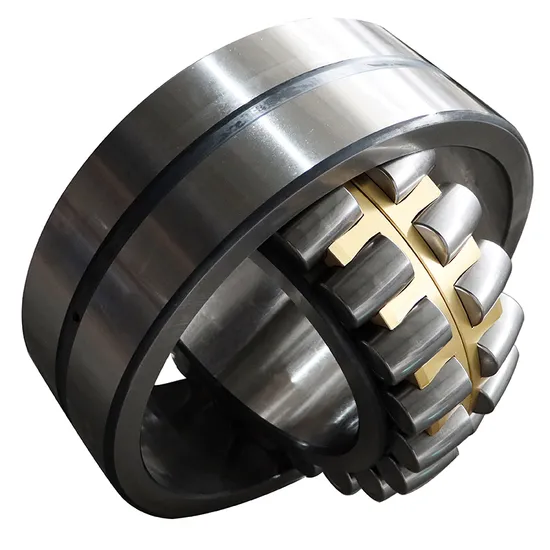
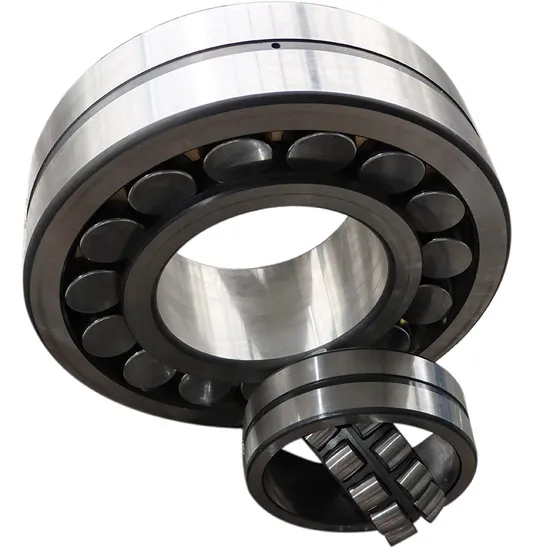
When sourcing components for these demanding applications, it is crucial to start with a bearing that has the inherent reliability to withstand such conditions. Genuine spherical roller bearings from reputable manufacturers like SKF or FAG provide the baseline quality needed. However, even the best bearing will fail if the maintenance plan is flawed. This is where a reliable Wind Turbine Main Bearing Preventive Maintenance Schedule Wholesale partner becomes invaluable, offering not just products but the technical insight to tailor the maintenance approach.
By focusing on data-driven adjustments and proper material selection, operators can significantly extend the life of their main bearings.
Common Pitfalls in Main Bearing Maintenance and How to Avoid Them
Avoid over-greasing and neglecting early warning signs to prevent costly unplanned downtime.
One of the most common mistakes in main bearing maintenance is over-greasing. Many technicians believe that more grease is better, but this is a dangerous misconception. Excess grease increases friction and heat generation, which can degrade the grease faster and damage the seals. Once the seals are damaged, contamination enters the bearing, accelerating wear. The correct amount of grease should be calculated precisely, and any excess should be purged carefully.
Another frequent pitfall is ignoring early warning signs. Vibration anomalies, unusual noises, or slight increases in temperature are often dismissed as normal operational variations. However, these signs can indicate the early stages of failure. Ignoring them allows the problem to worsen, leading to more extensive damage and higher repair costs. Early detection is key to minimizing downtime and avoiding emergency replacements.
Emergency replacements are significantly more expensive than planned maintenance. The cost of a new bearing is only a fraction of the total cost of an emergency replacement, which includes crane rental, lost generation revenue, and expedited shipping. In one case, a wind farm operator skipped monthly vibration checks to save time, missing early spalling. The bearing failed completely, causing a two-week shutdown. The cost of this unplanned outage was many times higher than the cost of proactive maintenance would have been.
To avoid these pitfalls, maintenance teams should be trained to recognize early signs of failure and follow strict procedures for lubrication and inspection. Regular training and clear guidelines help ensure that maintenance is performed correctly and consistently.
By learning from these common mistakes, operators can improve their maintenance practices and reduce the risk of unexpected failures.
Conclusion
Proactive, environment-aware maintenance is the key to main bearing longevity.
Standard maintenance schedules are insufficient for wind turbines operating in harsh climates. By adjusting lubrication intervals, integrating condition monitoring, and avoiding common pitfalls like over-greasing, operators can significantly extend bearing life. A tailored Wind Turbine Main Bearing Preventive Maintenance Schedule Wholesale approach ensures that maintenance efforts align with actual operational conditions, reducing unplanned downtime and maximizing asset value.