KOYO vs China Y-Bearing Unit: TCO Wholesale Supplier
The lowest purchase price often results in the highest operational cost.
In dusty, high-vibration environments common across emerging markets, generic Chinese Y-bearing units frequently incur a Total Cost of Ownership that exceeds premium brands like KOYO due to premature seal failure and unplanned downtime. For critical applications, the superior sealing technology and material consistency of KOYO bearings reduce replacement frequency significantly, making them the more economical choice over the equipment’s lifecycle despite higher initial procurement costs.
I still remember the thick, red dust of the Harmattan season settling over a cement plant in Nigeria. The maintenance manager was frustrated, pointing at a row of seized conveyor rollers. He had sourced a batch of low-cost Y-bearing units from a local supplier to cut capital expenditure. Within months, the single-lip rubber seals had failed, allowing abrasive dust to penetrate the raceways. The bearings didn’t just wear out; they locked up, causing secondary damage to the shafts and halting production lines for days. When we calculated the total cost—including emergency air freight for replacements, overtime labor for urgent installation, and lost production output—the savings from the initial purchase price had vanished multiple times over. This is not an isolated incident but a recurring pattern in industries where environmental contamination is a constant threat. [NEED_CITE: impact of particulate contamination on bearing lifespan in heavy industry]
Understanding why this happens requires looking beyond the catalog price. The decision between KOYO and generic alternatives is not merely about brand prestige; it is a technical calculation of reliability under stress.
Why Purchase Price Is a Misleading Metric for Y-Bearing Units?
Most procurement decisions start with a simple question: "How much per unit?" This approach ignores the hidden variables that define true value. A Y-bearing unit is rarely a standalone component; it is part of a larger system where failure triggers a cascade of expenses. The initial purchase price represents only a fraction of the total investment required to keep machinery running.
When a bearing fails prematurely, the immediate cost is the replacement part. However, the indirect costs are often far more severe. Emergency logistics to source a replacement part can cost several times the standard shipping rate. Maintenance teams must divert resources from scheduled preventive maintenance to handle unexpected breakdowns, reducing overall operational efficiency. In continuous process industries like mining or cement production, even short periods of unplanned downtime can result in significant revenue loss. [NEED_CITE: average cost of unplanned downtime in manufacturing sectors]
Furthermore, frequent replacements accelerate wear on surrounding components. A seized bearing can damage housing bores, shafts, and mounting structures, leading to more extensive and expensive repairs. By focusing solely on the upfront cost of the KOYO vs China Y-Bearing Unit TCO equation, buyers often overlook these compounding expenses. A slightly more expensive bearing that lasts three times longer in a harsh environment effectively reduces the annualized cost of ownership by minimizing both part consumption and operational disruption.
KOYO vs. Generic Chinese Units: Key Structural Differences
To understand the performance gap, one must examine the physical construction of the units. While both KOYO and generic manufacturers adhere to ISO standards for dimensional accuracy, the internal engineering choices differ significantly, particularly in sealing and lubrication.
| Feature | KOYO Y-Bearing Units | Generic Chinese Y-Bearing Units |
|---|---|---|
| Seal Design | Multi-labyrinth or contact seals with reinforced lips | Standard single-lip rubber seals |
| Grease Quality | High-performance, temperature-stable lithium complex | Basic lithium soap-based grease |
| Housing Material | Consistent cast iron grade with precise machining | Variable casting quality, potential porosity |
| Steel Purity | Controlled vacuum degassing for lower inclusion density | Standard commercial grade steel |
| Consistency | Strict batch-to-batch quality control protocols | Variable quality depending on production run |
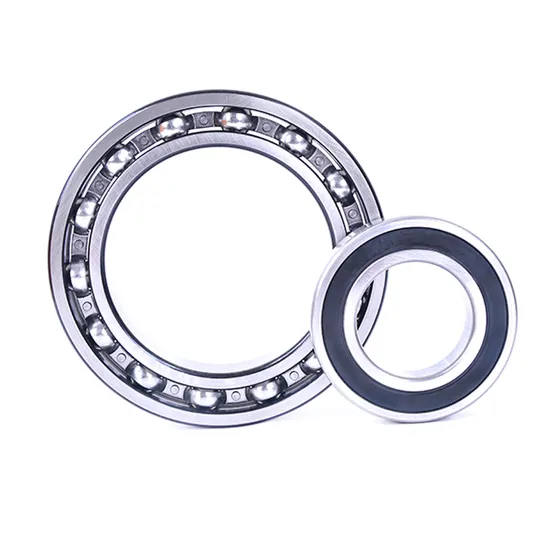
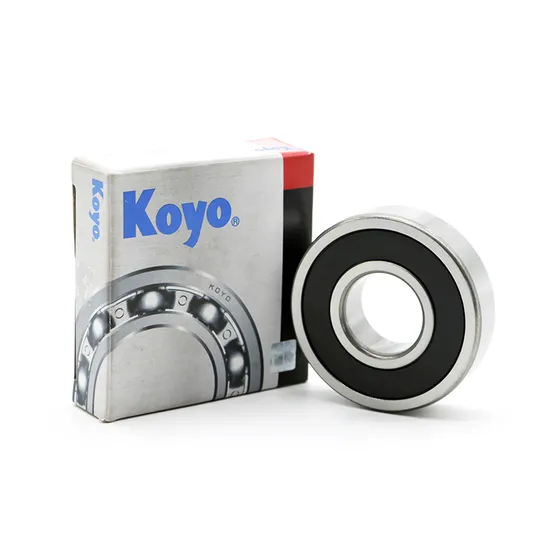
The seal is the first line of defense against contamination. KOYO units often feature complex labyrinth seals or double-lip contact seals designed to create a tortuous path for dust and moisture. These designs maintain a barrier even under dynamic conditions where the shaft may have slight misalignments or vibrations. In contrast, many budget-friendly units use simple single-lip seals that can easily deform or tear under similar stress, creating a direct pathway for contaminants. [NEED_CITE: effectiveness of labyrinth seals in contaminated environments]
Grease retention is another critical factor. Premium bearings use high-quality grease that resists oxidation and maintains viscosity across a wider temperature range. This ensures that the rolling elements remain lubricated even during extended service intervals. Lower-cost alternatives may use basic grease that breaks down faster under heat or shear stress, leading to metal-to-metal contact and accelerated wear. The difference in steel purity also plays a role, with premium brands utilizing cleaner steel that reduces the risk of early fatigue failure caused by microscopic inclusions.
Case Study: The Hidden Cost of Seal Failure in Dusty Environments
Real-world data from industrial sites in Africa provides a stark illustration of these theoretical differences. In a quarry operation in South Africa, a maintenance team conducted a side-by-side test using mixed-brand procurement. One section of the crushing circuit used premium KOYO units, while another used generic alternatives sourced for their low price.
The environment was extreme, with high levels of silica dust and constant vibration from the crushers. After six months, the generic units showed signs of severe distress. Visual inspection revealed that the single-lip seals had been compromised, allowing fine dust to mix with the grease, forming an abrasive paste that accelerated wear. Several units had seized completely, requiring emergency replacement. The maintenance logs indicated that labor hours spent on these unexpected failures were substantially higher than the planned maintenance schedule allowed.
Conversely, the KOYO units in the same environment remained operational with no signs of contamination ingress. The multi-labyrinth seals had effectively kept the dust out, preserving the integrity of the internal lubrication. When the team calculated the total cost, including the labor hours saved and the avoidance of production stoppages, the premium units proved to be more cost-effective despite their higher initial price tag. This case highlights that in harsh environments, the KOYO vs China Y-Bearing Unit TCO analysis must weigh reliability heavily against upfront savings. [NEED_CITE: case studies on bearing performance in mining applications]
Another example from an agricultural conveyor system in Ethiopia demonstrated similar trends. During the dry season, dust ingress caused premature lock-up in generic units. The resulting downtime affected the entire harvesting workflow. The cost of the lost productivity far exceeded the price difference between the two bearing types. These experiences underscore that the "cheaper" option often carries a hidden premium paid in operational instability.
Calculating Your True TCO: A Practical Framework
To make informed sourcing decisions, buyers should adopt a structured approach to calculating Total Cost of Ownership. This framework moves beyond the invoice price to include all relevant operational costs.
- Identify Direct Costs: Start with the purchase price of the bearing unit. Include any associated shipping or handling fees.
- Estimate Replacement Frequency: Based on historical data or manufacturer specifications, estimate how often the bearing will need replacement in your specific operating environment. Consider factors like load, speed, and contamination levels.
- Calculate Labor Costs: Determine the hourly rate for maintenance personnel and the average time required to replace a unit. Multiply this by the estimated replacement frequency.
- Quantify Downtime Losses: Estimate the financial impact of unplanned downtime. This includes lost production output, penalty clauses for delayed deliveries, and idle labor costs.
- Factor in Secondary Damage: Account for potential damage to other components caused by bearing failure, such as shaft repair or housing replacement.
By summing these elements, you arrive at a more accurate picture of the true cost. In many cases, the higher replacement frequency and downtime associated with generic units inflate their TCO significantly. This method allows for a direct comparison between KOYO vs China Y-Bearing Unit TCO scenarios, providing a data-driven basis for procurement decisions. [NEED_CITE: methodologies for calculating total cost of ownership in industrial maintenance]
It is also important to consider the availability of spare parts. Premium brands often have more robust distribution networks, ensuring faster access to replacements when needed. This reduces the duration of downtime and further lowers the overall cost of ownership.
When to Choose Which? Strategic Sourcing Recommendations
Not every application requires a premium bearing. A strategic sourcing approach involves matching the bearing quality to the criticality of the application and the severity of the operating environment.
For critical machinery in harsh environments—such as crushers, conveyors in dusty areas, or pumps in wet conditions—premium brands like KOYO are the recommended choice. The superior sealing and material quality provide the reliability needed to prevent costly unplanned downtime. In these scenarios, the KOYO vs China Y-Bearing Unit TCO calculation clearly favors the premium option due to reduced failure rates and lower maintenance burdens.
For non-critical applications in clean, low-load environments, high-quality domestic Chinese brands can offer a viable alternative. Examples include light-duty fans, indoor conveyors, or auxiliary equipment where failure does not halt primary production. In these cases, the lower initial cost can result in genuine savings without significant operational risk. However, it is crucial to source these units from reputable suppliers who maintain consistent quality control standards.
A mixed-brand strategy allows organizations to optimize their overall spending. By using premium bearings for critical points and reliable standard bearings for less demanding roles, buyers can balance budget constraints with operational reliability. This approach requires a thorough understanding of each application’s requirements and a willingness to analyze the long-term implications of each purchasing decision.
Conclusion
Choosing the right bearing is an investment in operational stability, not just a procurement transaction.
While generic Chinese Y-bearing units offer attractive upfront pricing, their performance in harsh environments often leads to higher total costs due to frequent failures and downtime. KOYO bearings, with their advanced sealing technologies and consistent material quality, provide a more reliable solution for critical applications, ultimately delivering a lower Total Cost of Ownership. By adopting a strategic sourcing approach and calculating true TCO, industrial buyers can make informed decisions that balance cost efficiency with operational reliability.