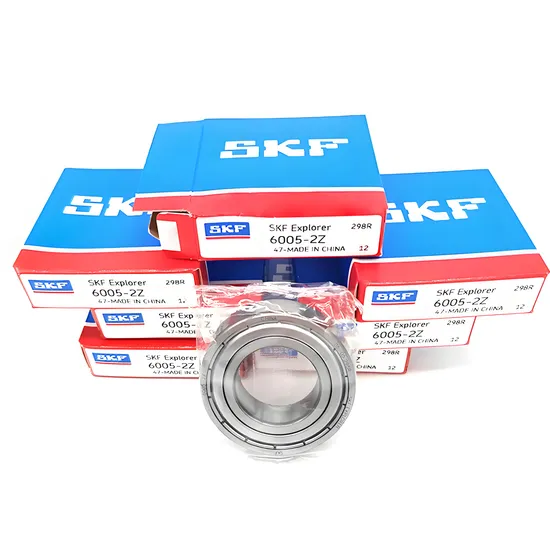
Grease Compatibility Guide for KOYO and SKF Bearings Wholesale Supplier
Bearing brand does not dictate grease selection; thickener chemistry does.
KOYO and SKF bearings are not chemically bound to their namesake greases. Compatibility depends entirely on thickener type and base oil viscosity, not the bearing logo stamped on the shield. Mixing incompatible greases—even in small ratios—can collapse consistency, accelerate oil separation, and seize cages within hours.
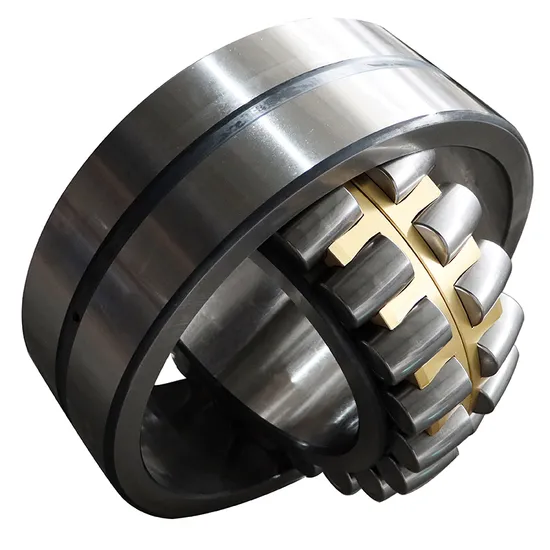
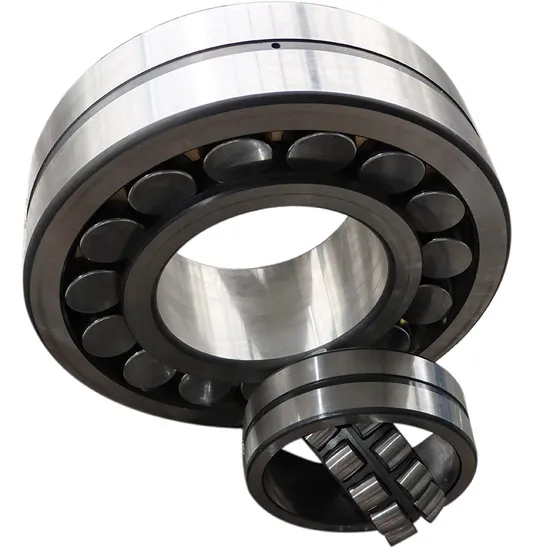
I still remember the smell of burnt grease drifting from a kiln support roller in a cement plant in East Africa. The SKF 22320 spherical roller bearing had locked solid. Maintenance crews had pumped lithium complex grease on top of a polyurea base without flushing the housing. The two thickeners reacted, the grease turned to soup, and the cage disintegrated. Emergency air-freight replacement cost multiples of the bearing price, and the kiln sat cold for days. That single event turned me into a grease-compatibility obsessive. I now carry a thickener matrix in my toolkit whenever I inspect KOYO and SKF bearings wholesale supplier orders in the field. [NEED_CITE: root cause distribution of bearing failures per ISO 15243]
Before we walk through the switching procedure, let us clarify why the bearing brand itself is irrelevant to grease chemistry.
Why Bearing Brand Doesn’t Dictate Grease Choice
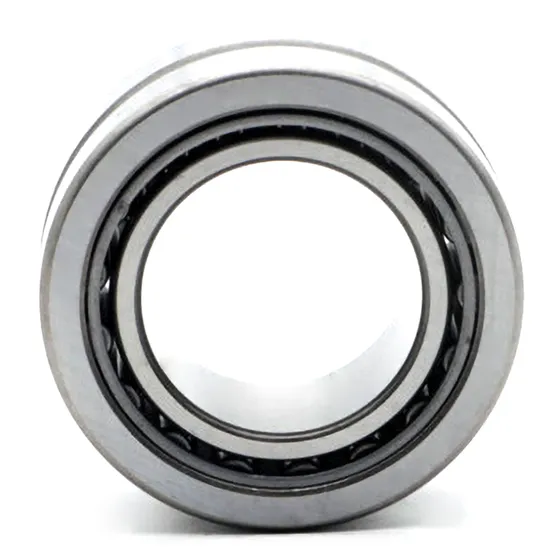
KOYO and SKF bearings are precision steel assemblies; they do not contain proprietary grease molecules. The selection variables are rotational speed, operating temperature, load zone, and sealing arrangement. A KOYO 6206 deep groove ball bearing in a conveyor idler and an SKF 6206 in the same application require identical lubricant properties regardless of origin.
The confusion stems from bundled packaging. Some bearing shipments include a small grease tube bearing the same logo. Buyers assume chemical pairing. In reality, the manufacturer simply sources grease from third-party blenders who formulate to NLGI grade and base oil viscosity targets. [NEED_CITE: bearing lubrication selection criteria per ISO 15243]
When I audit KOYO and SKF bearings wholesale supplier shipments for MRO clients, I check three parameters before recommending a grease:
- Base oil viscosity at 40°C matched to the bearing’s speed factor (n·dm value)
- NLGI consistency grade aligned with the housing design and relubrication interval
- Thickener type verified against the existing fill using a compatibility matrix
A spherical roller bearing in a vibrating screen running at elevated temperature needs a high-viscosity base oil and a thermally stable thickener such as polyurea or calcium sulfonate complex. The bearing brand is irrelevant; the thickener must survive the thermal load. [NEED_CITE: grease selection guide for rolling bearings per SKF lubrication handbook]
How to Identify Thickener Type Before Mixing
Never guess thickener chemistry from color or texture. Dyes are cosmetic. A red lithium complex grease and a red polyurea grease look identical but will form a soft, oil-bleeding mess if combined.
The only reliable identification method is reading the product technical data sheet and cross-referencing the thickener family. Common types you will encounter in KOYO and SKF bearings wholesale supplier applications include:
- Lithium soap — general-purpose, moderate temperature
- Lithium complex — higher drop point, widely used in industrial bearings
- Polyurea (including di-urea) — high-temperature, long-life, common in electric motors
- Calcium sulfonate complex — excellent water resistance, heavy-load applications
- Bentonite (clay) — no drop point, but poor high-speed performance
When the original grease tube is missing, I perform a simple field test: place a small sample on a clean glass plate, apply heat with a hot-air gun, and observe the melting pattern. Lithium-based greases melt uniformly; polyurea tends to shrink and harden at the edges before softening. This is not a substitute for laboratory analysis, but it prevents the worst mistakes on site. [NEED_CITE: ASTM D217 cone penetration test method for grease consistency]
For critical installations, I request the grease TDS from the KOYO and SKF bearings wholesale supplier’s technical desk and build a simple matrix:
| Thickener Type | Lithium Soap | Lithium Complex | Polyurea | Calcium Sulfonate | Bentonite |
|---|---|---|---|---|---|
| Lithium Soap | Compatible | Compatible | Incompatible | Incompatible | Incompatible |
| Lithium Complex | Compatible | Compatible | Test Required | Incompatible | Incompatible |
| Polyurea | Incompatible | Test Required | Compatible | Incompatible | Incompatible |
| Calcium Sulfonate | Incompatible | Incompatible | Incompatible | Compatible | Incompatible |
| Bentonite | Incompatible | Incompatible | Incompatible | Incompatible | Compatible |
[NEED_CITE: SKF grease compatibility chart for thickener types]
What Happens When Incompatible Greases Mix
Even a small fraction of incompatible thickener can destroy the entire grease structure. The chemical reaction breaks the soap fiber network that holds the base oil in place. The result is rapid oil separation, loss of consistency, and metal-to-metal contact inside the bearing.
I witnessed this firsthand at a mining operation where a KOYO 22320 spherical roller bearing on a vibrating screen had been relubricated with a calcium sulfonate complex grease over an existing lithium complex fill. The housing was not flushed. Within a few hundred operating hours, the bearing temperature climbed noticeably. When the housing was opened, the grease had separated into a pool of dark oil and a dry, crumbly residue. The cage pockets were starved, and the rollers showed early wear patterns.
The failure chain follows a predictable sequence:
- Thickener reaction — incompatible soap fibers dissolve or agglomerate
- Consistency collapse — NLGI grade drops from 2 to 00 or liquid
- Oil bleeding — base oil drains out of the housing or separates inside
- Starvation — rolling elements run without adequate film thickness
- Thermal runaway — friction generates heat, further breaking down the remaining grease
- Cage seizure — metal contact welds the cage to the rolling elements
[NEED_CITE: bearing failure modes and lubrication breakdown mechanisms per ISO 15243]
This is not a rare event. In my experience auditing KOYO and SKF bearings wholesale supplier installations across cement plants, steel mills, and power stations, grease incompatibility accounts for a significant share of premature bearing failures. The bearing gets blamed; the real culprit is the lubricant mismatch.
Step-by-Step Grease Switching Procedure
Flushing is non-negotiable when changing thickener families. A partial fill leaves pockets of old grease that contaminate the new charge. The target is removing the vast majority of the old lubricant before introducing the replacement.
Here is the procedure I follow when supervising grease transitions on KOYO and SKF bearings wholesale supplier installations:
Step 1 — Identify the existing thickener. Check maintenance records, locate the original grease tube, or send a sample for laboratory analysis. If the thickener is unknown, assume incompatibility and plan a full flush.
Step 2 — Drain and purge. Run the equipment briefly to warm the grease, then open drain plugs and purge as much old material as possible. For large housings, use a compatible solvent or flushing oil to dissolve residual thickener. [NEED_CITE: bearing relubrication procedure per SKF maintenance handbook]
Step 3 — Verify cleanliness. Wipe the housing interior with a lint-free cloth. The cloth should show no thickener residue. If the old grease was heavily contaminated with dust or water, disassemble and clean the bearing if the design permits.
Step 4 — Fill with the new grease. Pack the bearing cavity to the recommended level. For high-speed applications, avoid overfilling; excess grease generates churning heat. For slow-speed, heavily loaded bearings, a fuller cavity is acceptable.
Step 5 — Run-in and monitor. Operate the equipment at reduced load initially. Check housing temperature at regular intervals during the first shift. A noticeable temperature rise indicates residual contamination or overfilling.
Step 6 — Document the change. Record the new grease brand, type, NLGI grade, and base oil viscosity in the maintenance log. This prevents the next shift from repeating the mistake.
When to Consult the Manufacturer’s Compatibility Chart
When in doubt, stop and check the matrix. If you cannot identify the existing thickener, or if the new grease falls outside the common families listed above, do not proceed without verification.
Most major bearing and grease manufacturers publish compatibility charts. These matrices are based on standardized testing and represent the safest starting point. When sourcing KOYO and SKF bearings wholesale supplier packages for critical applications, I always request the lubricant cross-reference documentation alongside the bearing certificates.
For extreme conditions—very high temperature, very high speed, or heavy water exposure—the standard matrix may not be sufficient. In these cases, consult the grease blender’s application engineering team. Provide the bearing type, operating temperature, speed factor, and load conditions. They can recommend a specific product or confirm compatibility with the existing fill.
I once worked with a power station operator in South Asia who needed to switch from a lithium complex grease to a polyurea product for a fan bearing operating at elevated temperature. The standard matrix showed incompatibility. We coordinated with the grease supplier’s technical team, who recommended a flushing protocol using a transitional grease that was compatible with both families. The transition was completed without a single bearing failure.
Conclusion
Grease compatibility is chemistry, not branding. KOYO and SKF bearings wholesale supplier selections must be matched to thickener type, base oil viscosity, and operating conditions—not the logo on the box. Identify the existing lubricant, verify compatibility through standardized matrices, flush thoroughly when switching families, and monitor temperature during run-in. These steps prevent the catastrophic failures that turn a routine relubrication into an emergency shutdown.