SKF China Master Distributor: How to Find
Having an authorization certificate on a website does not mean the supplier is still authorized today.
To identify a genuine SKF China Master Distributor, you must verify four things in sequence: the live authorization status on SKF’s official portal, the distributor’s certificate validity period, the customs declaration matching the batch, and the country-of-origin document traceable to SKF’s manufacturing facility. Search engine ranking is irrelevant to authenticity.
I have stood inside warehouses in Riyadh more times than I can count. One particular visit involved a buyer who had sourced a full order of SKF 6206 bearings from a local middleman. Within a few months, the failure rate on those bearings climbed sharply. When we pulled one apart, the cage material was wrong, and the serial number returned no record in SKF’s verification system. The buyer tried to trace the purchase contract back to the supplier, only to find the company had already changed its name and moved offices. After that, I started photographing every serial number before shipment and cross-checking the country-of-origin certificate against the customs paperwork myself. You see patterns like this across multiple regions when you spend enough time on the ground. [NEED_CITE: counterfeit bearing failure rate distribution in industrial applications per ISO 15243 damage categories]
Let me walk you through exactly how this works in practice.
What Exactly Is an SKF China Master Distributor in China?
A Master Distributor sits at the top of SKF’s authorized distribution hierarchy in China, directly appointed by SKF and authorized to supply Tier-1 dealers and end-users.
This is not the same as a trading company that buys from whoever is cheapest and relabels the boxes. The SKF authorized channel follows a defined structure: Master Distributor receives goods directly from SKF or its designated logistics arm, Tier-1 dealers purchase from the Master Distributor, and Tier-2 operators buy from Tier-1. Each link in this chain should be traceable. [NEED_CITE: SKF authorized distributor tier structure and channel management policy]
Here is what I have seen repeatedly when working with buyers across the Middle East and Africa. A procurement manager finds a supplier online who claims to be authorized. The supplier shows a certificate. The certificate looks official. But the certificate expired two years ago, or it was issued to a different legal entity, or it covers a product range that does not include the specific bearing series being ordered. None of this is visible unless you check the live authorization record.
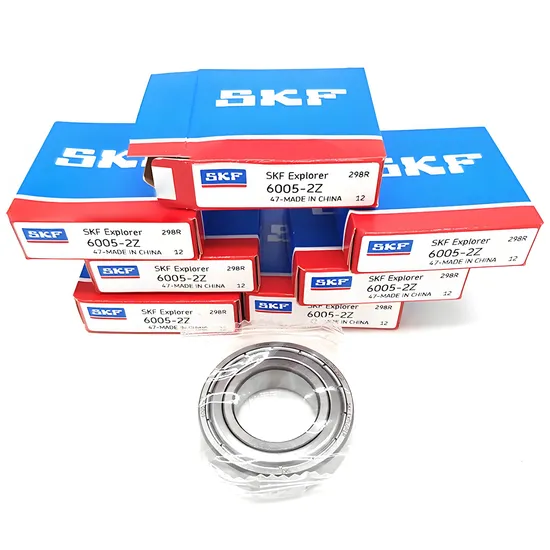
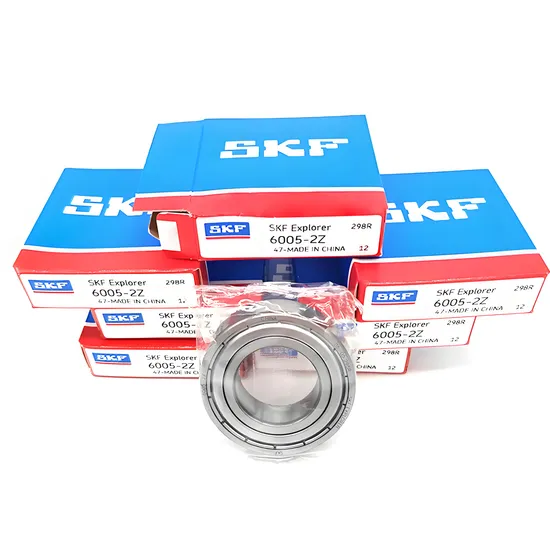
A genuine SKF China Master Distributor will have no problem showing you their current authorization letter, the product scope covered, and the validity period. If they hesitate or offer excuses, that is your first signal to walk away. I have had clients who switched to verified channels and noticed the difference in packaging quality and documentation completeness immediately. The boxes arrive with intact SKF holographic seals, the inner packaging matches the bearing series specifications, and every batch comes with traceable paperwork.
The distinction matters because SKF’s distribution policy explicitly prohibits unauthorized resale of their products. When goods move outside this controlled channel, there is no guarantee of storage conditions, handling integrity, or product authenticity. [NEED_CITE: SKF brand protection policy regarding unauthorized distribution channels]
How to Verify the Authorization Chain Step by Step?
Start from SKF’s official authorization lookup tool, then request the distributor’s certificate, then cross-check the customs declaration, then match the country-of-origin document to the batch serial number.
This four-step closure is the only reliable method I have seen work consistently. Let me break down each step with the kind of detail that actually matters on the ground.
Step One: SKF Official Authorization Lookup. SKF maintains a public-facing tool where you can search for authorized distributors by region and country. Enter the supplier’s registered company name exactly as it appears on their business license. If the name does not appear, or if the authorization status shows as expired or suspended, stop the process right there. Do not accept a screenshot from the supplier as proof. Go to the portal yourself. [NEED_CITE: SKF official distributor verification tool access and search methodology]
Step Two: Distributor Certificate Verification. Request a copy of the authorization certificate. Check three things: the legal entity name matches the company you are dealing with, the validity period covers the current date, and the product scope includes the bearing types you intend to purchase. I once reviewed a certificate for a client where the authorized entity name differed by a single character from the supplier’s actual business registration. That single character difference meant the certificate was essentially useless for the transaction at hand.
Step Three: Customs Declaration Cross-Check. Ask the supplier to provide the import customs declaration for the specific batch you are purchasing. The declaration should show the goods entering China under SKF’s name or the Master Distributor’s name as the consignee. The HS code, quantity, and origin country must align with what the supplier claims. If the supplier cannot produce this document for the batch in question, the goods may have entered through a parallel channel or may not be genuine SKF products at all. [NEED_CITE: China customs declaration verification procedure for imported bearing shipments]
Step Four: Country-of-Origin Document Matching. The country-of-origin certificate should identify the SKF manufacturing facility where the bearings were produced. Match the batch serial numbers on the bearing packaging against the serial numbers listed on the origin document. If the serial numbers do not correspond, or if the origin document covers a different production facility than what SKF’s records show for that batch, you have a problem.
I keep a running checklist for every order I handle. Before any shipment leaves, I photograph the serial numbers, pull the origin certificate, and compare it against the customs paperwork. This takes additional time, but I have intercepted problematic batches before they reached the client. The cost of that verification step is negligible compared to the cost of a machine shutdown caused by a failed bearing.
What Red Flags Reveal a Fake or Unauthorized Supplier?
Abnormally low pricing, inability to produce a country-of-origin certificate, and serial numbers that return no verification result are the three highest-risk warning signals.
Let me address each one based on what I have encountered in the field.
Pricing That Undercuts the Market Significantly. If a supplier is offering SKF bearings at a price substantially below what other authorized channels quote, the goods are likely not what they claim. Genuine SKF products have a relatively stable price band across authorized distributors because SKF controls wholesale pricing. When a supplier offers a discount that seems too good to be true, the explanation is usually one of three things: the goods are counterfeit, the goods are refurbished and repackaged, or the goods were diverted from another market without SKF’s authorization and may have been stored improperly. [NEED_CITE: price deviation indicators for counterfeit industrial bearings versus authorized channel pricing]
I have seen buyers in Latin America and Central Asia receive quotes that were noticeably lower than the authorized market rate. When they pressed the supplier for documentation, the supplier either could not produce it or provided documents that did not match the batch. The initial savings turned into losses that cost several times what would have been the price difference.
Missing or Refused Country-of-Origin Documentation. A legitimate SKF China Master Distributor will have the country-of-origin certificate for every batch they sell. This document is generated during the import process and is tied to specific production batches. If the supplier says the origin certificate is not available, or offers a generic certificate that does not reference specific serial numbers, treat this as a serious red flag. Without this document, you have no way to confirm where the bearings were actually manufactured.
Serial Numbers That Fail Verification. SKF provides verification tools, including the SKF Authenticate application and QR code scanning on packaging, that allow you to check whether a serial number is registered in their system. If you scan a bearing’s QR code or enter the serial number and the system returns no result, the bearing is almost certainly not genuine. I have tested this across multiple batches from verified channels, and genuine SKF products always return a positive verification result. [NEED_CITE: SKF Authenticate app and QR code verification process for bearing authenticity]
There is a common misconception that if a serial number can be scanned, the product is authentic. This is not true. Counterfeiters can replicate QR codes and serial number formats. The real verification requires cross-checking the serial number against SKF’s official database and confirming that the production facility, date code, and product specifications all align. A simple scan is not enough.
Other warning signs include packaging that looks slightly off compared to genuine SKF packaging, suppliers who refuse to provide the name of their upstream source, and companies that operate from addresses that do not match their registered business location. When I visit a new supplier for the first time, I always check whether the warehouse actually holds SKF inventory or whether it is essentially an empty office with a catalog.
How to Build a Long-Term Sourcing Routine That Prevents Counterfeits?
Embed serial number registration, country-of-origin document archiving, and authorization chain verification into your standard procurement procedure so that every batch is checked before it enters your warehouse.
This is not about trusting or distrusting any particular supplier. It is about building a system that catches problems before they reach your machinery. I have worked with maintenance operations across the Middle East and Africa where the difference between a reliable supply chain and a chaotic one came down to whether someone had taken the time to set up a basic verification routine.
Establish an Incoming Inspection Protocol. When a shipment of SKF bearings arrives, do not simply count the boxes and put them on the shelf. Open a sample from each batch, photograph the serial numbers, and run them through SKF’s verification system. Archive the photographs alongside the purchase order and the country-of-origin certificate. This creates a record that you can reference if a bearing fails prematurely and you need to trace the batch back to the source.
Maintain an Authorization Status Log. SKF’s authorization list changes over time. Distributors get added, removed, or have their scope modified. Keep a log of your suppliers’ authorization status and check it periodically. I recommend reviewing it at least once per quarter. If a supplier’s authorization has lapsed, you need to know before you place your next order, not after a failure occurs. [NEED_CITE: SKF distributor authorization renewal and status change notification process]
Require Documentation With Every Order. Make it a condition of purchase that the supplier provides the country-of-origin certificate and customs declaration for each batch. If a supplier cannot meet this requirement consistently, they are not operating at the level of a genuine SKF China Master Distributor. This requirement alone will filter out a large portion of unreliable sources.
Build a Relationship With a Verified Source. Once you have identified a supplier who consistently passes verification checks and provides complete documentation, maintain that relationship. Consistency in sourcing reduces the risk of mixing genuine and non-genuine products. I have seen operations that sourced from multiple suppliers simultaneously and ended up with batches of varying quality because they had no way to confirm the origin of each shipment.
The routine I follow with my own clients involves photographing every serial number before shipment, pulling the origin certificate, and sending the client a verification package that includes the authorization chain documents. This takes extra effort, but it has prevented problematic batches from reaching end-users on multiple occasions. The buyers who adopt this kind of discipline rarely face the kind of catastrophic failures that result from counterfeit bearings.
Conclusion
Finding a genuine SKF China Master Distributor requires systematic verification, not a search engine query. Check the live authorization status, confirm the certificate validity, cross-reference the customs declaration, and match the country-of-origin document to the batch serial numbers. Build these steps into your procurement routine and require complete documentation with every order. The cost of verification is always lower than the cost of a failure caused by a counterfeit bearing.