Locknut Washer for Rail Rolling Stock in Morocco Wholesale Supplier
Thicker does not mean tighter. In the high-vibration environment of rail bogies, excessive washer thickness can actually reduce elastic recovery and compromise the locking mechanism.
For rail rolling stock operating in Morocco’s mixed coastal and inland climates, the correct locknut washer is not defined by thread size alone but by material compatibility with local humidity levels, verified torque retention under thermal cycling, and batch-consistent hardness profiles that prevent fretting corrosion. Sourcing these components requires a wholesale partner who understands that surface treatment quality often dictates service life more than mechanical dimensions do.
The transition from technical inspection to trade exposure reveals how easily specification sheets fail in the field. Years ago, while inspecting fasteners at a manufacturing facility, the focus was strictly on dimensional tolerances and tooth angles. Later, during field visits to maintenance depots in humid regions, it became clear that a perfectly dimensioned washer could fail prematurely if its surface coating could not withstand the specific atmospheric conditions. This realization shifts the procurement strategy from simple part-number matching to environmental validation. [NEED_CITE: correlation between coastal humidity and fastener corrosion rates in railway applications]
Why Do Standard Lock Washers Fail in Moroccan Rail Conditions?
Environmental stressors in North Africa accelerate fatigue failure faster than mechanical wear alone. Morocco’s railway network spans diverse climatic zones, from the humid, salt-laden air of the Tangier-Casablanca coastal corridor to the dry, dust-heavy inland routes toward the south. Standard carbon steel washers, even when galvanized, often struggle in this dual-environment scenario.
In coastal sections, chloride-induced corrosion attacks the zinc coating rapidly. Once the protective layer is breached, the underlying steel suffers from fretting corrosion at the interface between the washer and the nut face. This microscopic movement, combined with rust buildup, destroys the friction coefficient required for locking. [NEED_CITE: mechanisms of fretting corrosion in bolted joints under vibration]
Inland, the challenge shifts to thermal variance and abrasive dust. Day-night temperature swings cause expansion and contraction cycles that can loosen fasteners if the washer lacks sufficient elastic recovery. Furthermore, fine desert dust acts as an abrasive paste when mixed with lubricants, wearing down the serrated teeth of standard washers and reducing their grip. A locknut washer for rail rolling stock Morocco projects must therefore be selected based on these specific regional threats rather than generic international standards.
Key Technical Parameters for Axle Locknut Washers
Hardness and coating integrity outweigh nominal dimensions in dynamic load applications. When evaluating suppliers, buyers often fixate on outer diameter and thickness. However, the critical performance indicators lie in the material’s hardness value and the quality of its surface treatment.
For rail axle applications, the washer must maintain its shape under high preload without deforming permanently. If the material is too soft, the serrations flatten out, losing their biting action. If it is too hard, it may become brittle and crack under shock loads. The ideal balance is typically found in hardened spring steel with a controlled hardness range, ensuring both durability and elasticity. [NEED_CITE: standard hardness requirements for railway fasteners under dynamic loading]
Surface coating is equally vital. Zinc-flake coatings offer superior corrosion resistance compared to traditional electroplating, especially in salt-spray conditions. They provide a uniform layer that does not suffer from hydrogen embrittlement, a common risk with electrolytic processes. For a locknut washer for rail rolling stock Morocco distribution, verifying the coating thickness and adhesion strength is essential. Buyers should request test reports demonstrating salt-spray endurance relevant to marine or industrial atmospheres.
| Parameter | Standard Carbon Steel | Zinc-Flake Coated Hardened Steel |
|---|---|---|
| Corrosion Resistance | Vulnerable in coastal humidity | Robust against salt spray |
| Hardness Consistency | Variable across batches | Controlled and verified |
| Elastic Recovery | Moderate | High, maintains preload |
| Suitability for Morocco | Limited to dry inland use | Suitable for mixed climates |
Case Study: Preventing Preload Loss in High-Vibration Bogies
A mid-six-figure maintenance cost was avoided by identifying the root cause of premature loosening. A regional maintenance operator in North Africa reported a recurring issue where axle nuts on passenger train bogies were loosening within months of installation. The initial assumption was that the tightening torque was insufficient. However, repeated retorquing did not solve the problem.
Upon inspection, it was revealed that the washers used were from a mixed batch of varying brands. While they met the basic dimensional specs, their hardness levels varied significantly. Some washers deformed under the high vibration of the bogie, leading to a noticeable drop in preload. The deformation created gaps that allowed the nut to rotate loose despite the initial correct torque application. [NEED_CITE: relationship between washer deformation and preload loss in vibrating systems]
The solution involved switching to a single-source supply of hardened lock washers with certified batch consistency. The new washers maintained their tooth geometry and elastic properties over extended service periods. This case highlights the importance of traceability. For any locknut washer for rail rolling stock Morocco project, ensuring that all components in a shipment come from the same production batch minimizes the risk of such inconsistent performance.
Wholesale Sourcing Checklist for Distributors
Verification of traceability and packaging integrity is non-negotiable for long-haul shipping. Distributors supplying MRO markets in Africa face unique logistical challenges. Goods often spend weeks in transit, exposed to varying humidity and handling conditions. A reliable wholesale partner must provide more than just competitive pricing; they must ensure product integrity from factory to site.
First, demand full material certification. Each batch of washers should come with a mill certificate stating the chemical composition and hardness test results. This documentation is crucial for compliance with international railway standards and for defending against liability claims in case of failure. [NEED_CITE: documentation requirements for railway component supply chains]
Second, inspect the packaging. Washers should be packed in moisture-resistant materials, preferably with desiccants if shipping to humid ports like Casablanca. Bulk loose packing can lead to edge damage and surface scratching, which compromises the coating before installation.
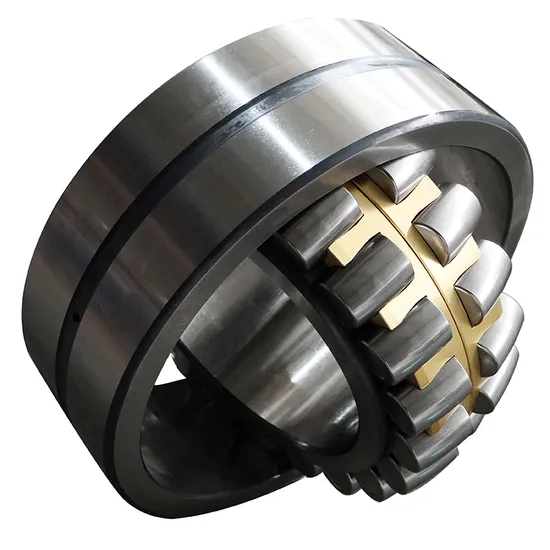
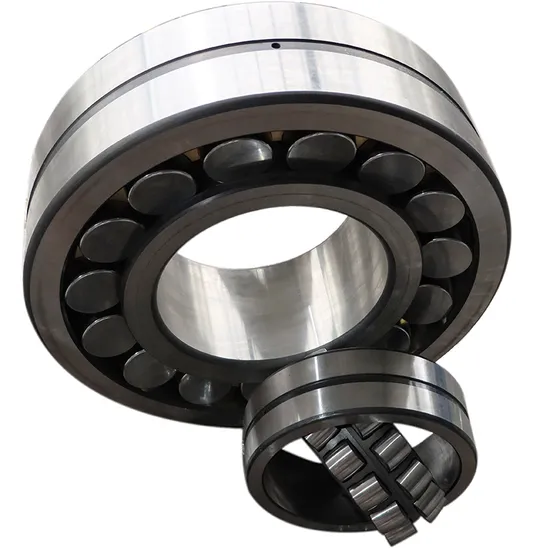
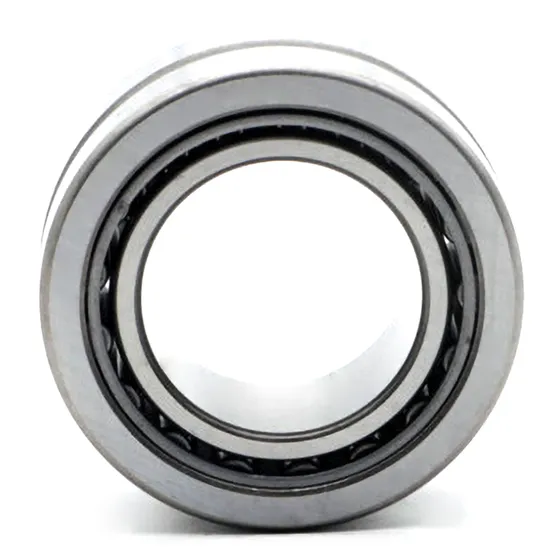
Third, verify the supplier’s ability to consolidate orders. Railway maintenance often requires a mix of bearings, fasteners, and other hardware. A supplier who can combine a locknut washer for rail rolling stock Morocco order with bearing shipments simplifies logistics and reduces freight costs. This consolidation capability is particularly valuable for distributors managing inventory for multiple clients across different regions.
Conclusion
Selection criteria must prioritize environmental resilience over simple dimensional fit. In Morocco’s diverse climate, the right locknut washer prevents costly downtime and ensures safety. By focusing on hardness, coating quality, and batch consistency, distributors can provide reliable solutions to their clients. Partnering with a supplier who offers verified documentation and consolidated shipping further enhances supply chain efficiency.