
Flanged Housing Bearing Duty Cycle Petrochemical Supplier
Most engineers assume that a higher load rating solves overheating; in reality, inadequate heat dissipation in continuous duty cycles degrades lubricant faster than the mechanical load itself.
In petrochemical environments, defining the duty cycle for a flanged housing bearing requires integrating thermal expansion coefficients, chemical vapor permeation rates, and load variance into a unified stress matrix. Standard catalog ratings based on intermittent operation often fail because they do not account for the cumulative thermal fatigue and seal degradation caused by continuous high-temperature exposure and aggressive chemical atmospheres.
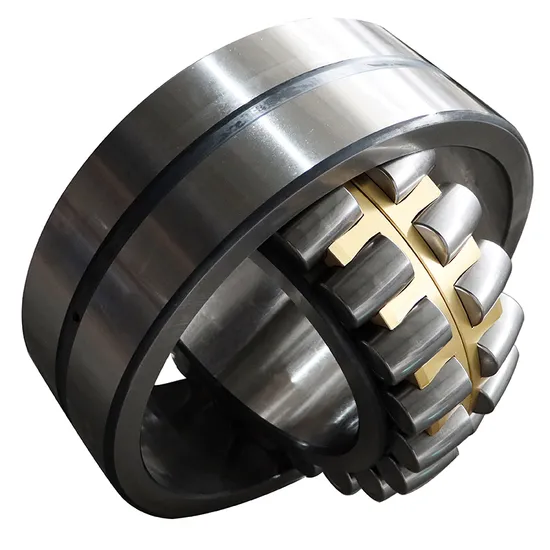
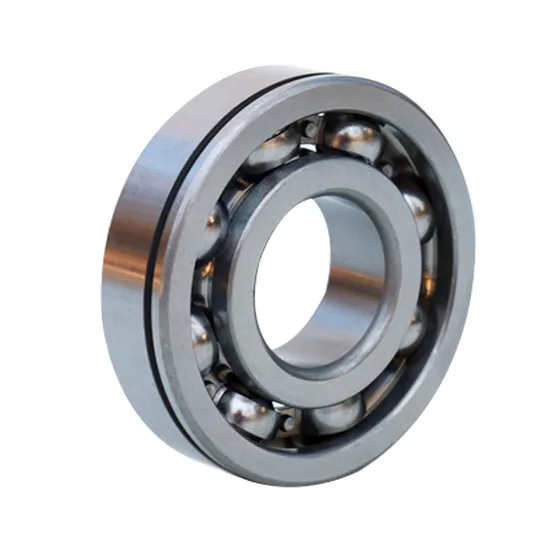
Walking through a refinery in Riyadh last year, I watched a maintenance team pull a seized conveyor bearing from a high-temperature line. The unit had failed in less than three months. The housing was distorted, and the internal cage had melted into the rolling elements. The procurement record showed they had selected a standard-duty insert bearing based solely on radial load capacity, ignoring the fact that the conveyor ran twenty-four hours a day at temperatures exceeding ambient limits. This is a common oversight. When we talk about a Flanged Housing Bearing Duty Cycle Petrochemical application, we are not just counting running hours. We are analyzing how the housing material expands against the shaft tolerance under heat, and how the seal elastomer reacts to specific hydrocarbon vapors over time.
Understanding these hidden stresses is critical for anyone sourcing components for harsh industrial environments. The following analysis breaks down why standard ratings fail and how to correctly define operational parameters to prevent catastrophic downtime.
Why Standard Duty Ratings Fail in Petrochemical Contexts?
Continuous high-temperature operations demand specialized thermal stability and chemical compatibility, not just mechanical strength.
Standard bearing catalogs often classify duty cycles as light, normal, or heavy based primarily on mechanical load and rotational speed. However, in a petrochemical plant, the environment introduces variables that standard ISO life calculations do not fully capture. The primary failure mode in these settings is rarely pure fatigue from rolling contact. Instead, it is the degradation of the lubricant film due to thermal breakdown and the ingress of process chemicals through compromised seals.
Consider the thermal aspect. Steel housings and stainless steel shafts have different coefficients of thermal expansion. In a continuous duty scenario, where the equipment runs without significant cool-down periods, this differential expansion can alter the internal clearance of the bearing. If the initial selection did not account for this thermal growth, the bearing may transition from a loose fit to an interference fit as it heats up, leading to excessive friction and rapid temperature rise. This creates a feedback loop where heat generates more heat, eventually causing the lubricant to carbonize and the bearing to seize. [NEED_CITE: thermal expansion effects on bearing clearance in continuous operation]
Furthermore, the chemical environment plays a silent but deadly role. Many engineers assume that a standard IP67 rating is sufficient for protection. However, in petrochemical zones, the threat is not just dust or water spray, but chemical vapors. These vapors can permeate certain elastomer seals, causing them to swell, harden, or crack. Once the seal integrity is compromised, corrosive agents enter the bearing cavity, attacking the raceways and rolling elements directly. A Flanged Housing Bearing Duty Cycle Petrochemical assessment must therefore include a chemical compatibility check for all non-metallic components, including seals and grease thickeners.
The failure of standard ratings lies in their static nature. They assume a controlled environment. Petrochemical plants are dynamic, with fluctuating temperatures and unpredictable chemical exposures. Relying on basic load ratings without adjusting for these environmental factors is a recipe for premature failure.
How to Accurately Define Your Plant’s Duty Cycle?
Integrate load profiles, temperature swings, and chemical exposure into a unified stress matrix rather than relying on simple operating hours.
Defining the true duty cycle requires a holistic approach that goes beyond the nameplate data. It involves mapping the actual operational conditions to the bearing’s performance limits. This process starts with a detailed audit of the application environment.
First, analyze the load profile. Is the load constant, or does it vary with process throughput? In many petrochemical processes, pumps and compressors experience load fluctuations due to changes in fluid density or pressure. These variations create dynamic stresses that differ from steady-state loads. Calculating the equivalent dynamic load must consider these fluctuations, as well as any shock loads from startup or shutdown sequences. [NEED_CITE: method for calculating equivalent dynamic load with variable factors]
Second, map the temperature profile. Record the ambient temperature range and the operating temperature of the shaft and housing. It is crucial to identify peak temperatures during upset conditions, not just normal operation. These peaks can significantly reduce the life of the lubricant. For instance, a mineral oil-based grease may oxidize rapidly above certain temperatures, losing its viscosity and protective qualities. Selecting a synthetic lubricant with higher thermal stability can extend the relubrication interval and improve bearing life.
Third, evaluate the chemical exposure. Identify the specific chemicals present in the area, including acids, alkalis, solvents, and hydrocarbons. Check the compatibility of the seal material with these substances. Nitrile rubber, for example, may perform well against oils but poorly against certain ketones or esters. Fluoroelastomers offer broader chemical resistance but may be less flexible at low temperatures. Choosing the right seal material is as important as selecting the bearing type.
By combining these factors, you create a realistic picture of the bearing’s operating environment. This allows for a more accurate selection of components that can withstand the actual stresses, rather than just the theoretical ones. A Flanged Housing Bearing Duty Cycle Petrochemical strategy built on this data minimizes the risk of unexpected failures.
Critical Selection Criteria for Flanged Housing Bearings
Prioritize seal chemistry and housing material compatibility over simple load ratings to ensure long-term reliability.
When selecting bearings for petrochemical applications, several criteria take precedence over basic mechanical specifications. The first is the housing material. Cast iron is common, but in corrosive environments, stainless steel or coated housings may be necessary to prevent rust and structural weakening. The housing must also provide adequate heat dissipation. Designs with larger surface areas or cooling fins can help manage thermal buildup in continuous duty applications.
The second criterion is the seal design. Double-lip seals or labyrinth seals offer better protection against contaminant ingress than single-lip designs. In high-temperature applications, seals with metal casings or reinforced edges maintain their shape and sealing force better than all-rubber seals. Additionally, the seal should be designed to retain grease effectively, preventing leakage and ensuring consistent lubrication.
The third criterion is the lubricant. High-temperature synthetic greases with anti-wear and anti-corrosion additives are essential. The grease must have a high dropping point and good oxidation stability. It should also be compatible with the seal material to prevent swelling or shrinkage. Regular monitoring of grease condition can provide early warnings of contamination or degradation.
Finally, consider the mounting and alignment. Flanged housings allow for some misalignment compensation, but excessive misalignment increases stress on the bearing and seal. Proper installation techniques, including the use of alignment tools and torque wrenches, ensure that the bearing operates within its design limits. [NEED_CITE: impact of misalignment on flanged bearing life]
These selection criteria form the foundation of a robust bearing solution. By focusing on these aspects, engineers can select components that are truly suited for the demanding conditions of petrochemical plants. A Flanged Housing Bearing Duty Cycle Petrochemical supplier should be able to provide technical guidance on these specific requirements, offering cross-brand options that meet the verified continuous duty needs.
Real-World Failure Analysis: Lessons from the Field
Case studies from regional refineries show how ignoring duty cycle nuances leads to premature housing deformation and seal failure.
Experience in the field provides valuable insights that theoretical models often miss. In one case at a coastal petrochemical plant, a series of pump bearings failed repeatedly due to corrosion-induced seizure. The maintenance team had been following a standard replacement schedule, but the humid, salt-laden air combined with chemical vapors was accelerating seal degradation. Upon inspection, it was found that the nitrile seals had hardened and cracked, allowing moisture and chemicals to enter the bearing. Switching to fluoroelastomer seals and increasing the frequency of visual inspections resolved the issue. [NEED_CITE: correlation between humidity and seal failure in coastal industrial zones]
Another case involved a high-temperature conveyor in a refinery. The client had selected a standard-duty bearing to save costs. Within months, the bearing overheated and seized. Analysis revealed that the continuous operation had caused significant thermal expansion, reducing the internal clearance to zero. The resulting friction generated enough heat to melt the cage. Replacing the unit with a bearing designed for continuous high-temperature duty, featuring appropriate internal clearance and high-temperature grease, eliminated the problem.
A third scenario highlighted the cost of emergency replacements. A plant experienced an unplanned shutdown due to a bearing failure caused by misidentified duty requirements. The emergency air-freight cost for the replacement part was several times the price of the original component. Had the correct duty cycle been identified initially, a planned bulk procurement would have saved significant money and avoided production losses.
These examples underscore the importance of accurate duty cycle definition. Ignoring the specific environmental and operational stresses leads to costly failures. A Flanged Housing Bearing Duty Cycle Petrochemical approach that learns from these real-world scenarios ensures better reliability and lower total cost of ownership.
Conclusion
Accurate duty cycle definition prevents catastrophic failure in harsh petrochemical environments.
Selecting the right flanged housing bearing requires more than checking load ratings. It demands a deep understanding of thermal dynamics, chemical compatibility, and operational continuity. By integrating these factors into your selection process, you can avoid premature failures and reduce unplanned downtime. The key is to look beyond the catalog and consider the real-world stresses your equipment faces every day.