Tractor Wheel Bearings for Food Processing: Wholesale Supplier
Stainless steel rings alone will not save your bearings from washdown failure.
For tractor wheel bearings used in food processing environments, standard agricultural specifications are insufficient. The critical selection criteria are IP69K-rated triple-lip seals to resist high-pressure water ingress and NSF-certified food-grade lubricants that withstand steam and chemical sanitizers. Sourcing must prioritize seal integrity and lubricant compatibility over simple load capacity to prevent rapid corrosion and contamination risks.
I still remember the silence in the conference room when the claim file landed on the table. It was a few years back, during my time handling procurement for agricultural machinery exports in Qingdao. We had supplied a set of tractor chassis units to a vegetable dehydration plant in Australia. On paper, the bearings were standard deep-groove ball bearings, perfectly adequate for field work. But the operational reality was different. The factory floor underwent high-pressure water jet cleaning three times a day. Within two months, every single wheel bearing had rusted solid. The client did not just ask for replacements; they demanded compensation for the downtime. That loss was not due to poor steel quality or inadequate load rating. It was a fundamental mismatch between the sealing technology and the sanitary environment. Since transitioning to the supply side, I have seen this pattern repeat across different regions. When buyers inquire about tractor wheel bearings for food processing, the first question I ask is never about price. It is about the washdown frequency and the chemical agents used. If you cannot answer that, the bearing specification is just a guess.
Why Do Standard Agricultural Bearings Fail in Sanitary Zones?
The core misconception in sourcing is assuming that "agricultural grade" implies durability against all elements. Agricultural bearings are designed to keep dust and mud out, not to withstand the aggressive intrusion of hot water and caustic cleaners. In food processing plants, the environment is hostile in ways that differ significantly from open fields.
High-pressure washdowns create a pressure differential that forces water past standard single-lip seals. Once water breaches the seal, it mixes with the grease, emulsifies it, and washes it away. This leaves the rolling elements exposed to oxygen and moisture, leading to rapid oxidation. Furthermore, many food facilities use steam cleaning for sterilization. Standard lithium-based greases break down at elevated temperatures, losing their viscosity and protective film.
| Failure Mode | Standard Ag Bearing Response | Food-Grade Requirement |
|---|---|---|
| High-Pressure Water Jet | Seal lip deflects, water ingress likely | Triple-lip seal with garter spring retention [NEED_CITE: seal design principles for IP69K] |
| Caustic Chemical Cleaners | Carbon steel outer ring corrodes | Stainless steel or coated components resistant to pH extremes |
| Steam Sterilization | Grease thins and leaks out | High-temperature stable, NSF H1 registered lubricant |
| Particulate Contamination | Dust exclusion focus | Micro-particle exclusion while allowing breathability |
A distributor in the Middle East once shared a case where dairy farm equipment failed prematurely. The issue was not the bearing brand, but the lubricant. The standard grease could not handle the daily steam cleaning cycle, leading to dry running and eventual seizure. This highlights that the lubricant is as critical as the metal itself. When evaluating tractor wheel bearings for food processing, one must look beyond the hardware to the chemical compatibility of the entire assembly.
Key Selection Criteria: Seals, Materials, and Lubricants
Selecting the right component requires a shift in priority from load capacity to environmental sealing. The seal is the first line of defense. In sanitary applications, a simple rubber shield is inadequate. You need a contact seal design that can maintain integrity under dynamic pressure changes. Triple-lip seals are often recommended because they provide multiple barriers against contaminants. The primary lip keeps large particles out, while secondary lips handle finer mist and pressure spikes.
Material selection is the second pillar. While stainless steel is often touted as the solution, it is not a magic bullet. The inner and outer rings may be made from stainless steel to resist surface corrosion, but the rolling elements and cages must also be compatible. However, the seal material itself is equally important. It must resist swelling or degradation when exposed to common food-safe sanitizers like chlorine or peracetic acid.
Lubrication is the third critical factor. In food processing, even non-contact zones require lubricants that are safe for incidental contact. This means using greases that are NSF H1 certified. These lubricants are formulated to be non-toxic and odorless, ensuring that if a leak occurs, it does not contaminate the food product. Moreover, these greases must maintain their structural stability under thermal cycling.
| Component | Standard Specification | Food-Processing Specification |
|---|---|---|
| Seal Type | Single lip or shield | Triple-lip contact seal [NEED_CITE: ISO seal standards for hygiene] |
| Ring Material | Carbon steel (GCr15) | Stainless steel or corrosion-resistant coating |
| Lubricant | General purpose lithium | NSF H1 certified, high-temperature stable |
| Corrosion Resistance | Basic rust prevention | Enhanced resistance to saline and acidic agents |
Sourcing tractor wheel bearings for food processing involves verifying these three elements together. A stainless steel bearing with standard grease will fail just as quickly as a carbon steel bearing with good seals if the lubricant washes out. The synergy between the seal structure and the lubricant viscosity determines the service life.
Common Sourcing Mistakes in Wholesale Markets
When buying in bulk, the temptation is to focus on unit price and brand recognition. However, in the niche of sanitary machinery, generic specifications can lead to costly errors. One common mistake is ignoring the traceability of the lubricant. Many suppliers offer "food-grade" bearings but cannot provide the actual certification documents for the grease used. Without an NSF certificate or equivalent documentation, the claim is unverifiable.
Another frequent error is assuming that all sealed bearings are created equal. Some suppliers use generic seals that fit the housing but do not meet the specific pressure ratings required for washdown environments. This is particularly risky when sourcing from markets where cost-cutting on seal materials is common. The difference in performance is not visible until the equipment is in operation, by which time the damage is done.
Additionally, buyers often overlook the importance of packaging and storage. Bearings intended for food processing must be kept in clean, dry conditions before installation. Exposure to humidity during transit can compromise the corrosion-resistant coatings. Reputable food grade bearing suppliers China will ensure that packaging meets strict moisture-control standards, often using vacuum-sealed bags with desiccants.
A buyer in Southeast Asia once reported issues with meat packaging conveyors. The outer rings showed signs of pitting despite being labeled as stainless. Upon investigation, it was found that the supplier had used a lower-grade alloy that was not fully resistant to the specific chloride-based cleaners used in the plant. This underscores the need for material verification, not just label acceptance. When seeking corrosion resistant wheel bearings wholesale, always request material test reports that specify the exact alloy composition.
How to Verify Supplier Quality Before Bulk Order
Verification is not just about checking certificates; it is about testing the product’s resilience. Before placing a large order, request samples for validation. Conduct a simple salt spray test to evaluate the corrosion resistance of the outer ring and seal area. While this does not replicate full washdown conditions, it provides a baseline for material quality.
Ask for detailed technical data sheets that include the IP rating of the seal assembly. An IP69K rating indicates protection against high-pressure, high-temperature water jets, which is the gold standard for food processing equipment. If a supplier cannot provide this data, they likely do not have the engineering capability to support such applications.
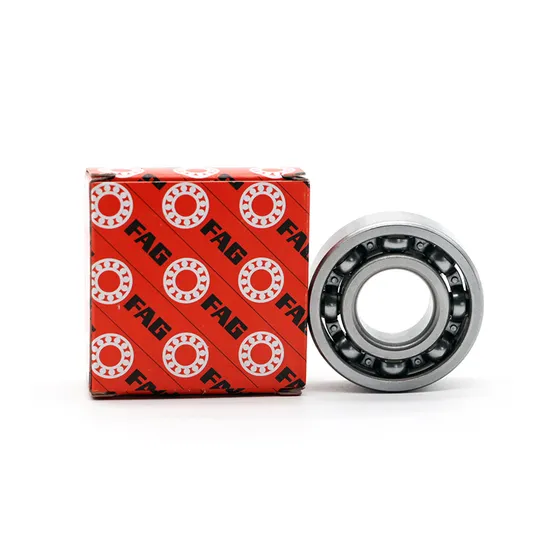
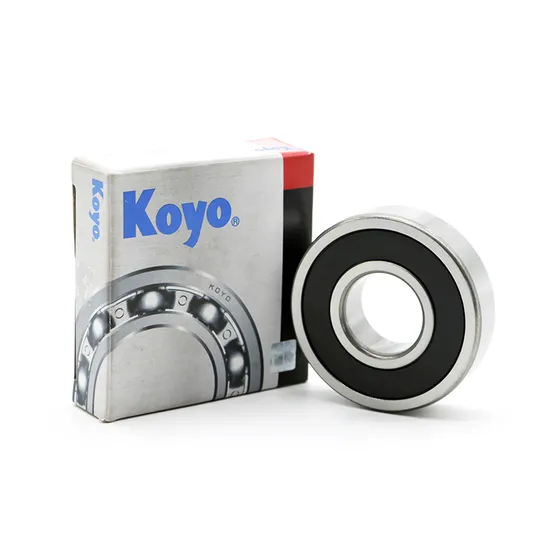
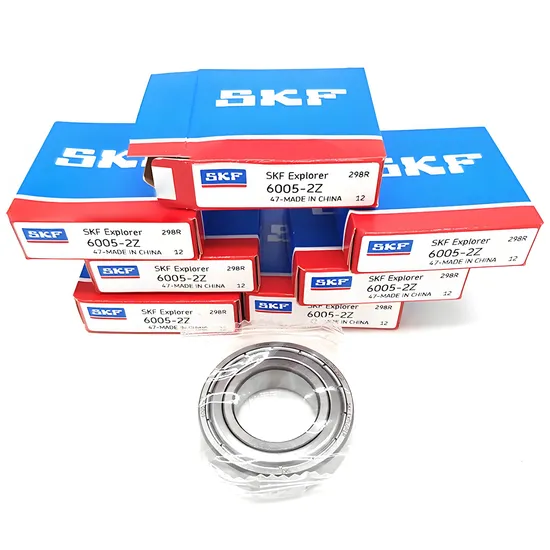
Furthermore, inquire about the supplier’s ability to provide mixed-brand genuine bearings with full traceability. In complex machinery, you may need specific brands for certain positions while using cost-effective alternatives for others. A reliable partner should be able to source genuine products from major manufacturers like SKF, FAG, or NSK, while also offering verified domestic lines that meet the same technical standards. This flexibility ensures that you get the right balance of performance and cost without compromising on authenticity.
Technical support is another key indicator of quality. A supplier who understands the nuances of sealed tractor bearings for washdown environments will ask detailed questions about your application. They will want to know the operating temperature, the type of cleaners used, and the frequency of maintenance. This dialogue helps ensure that the selected bearing is truly fit for purpose.
Conclusion
Selecting the right bearing for food processing is about sealing and chemistry, not just steel.
Standard agricultural bearings cannot withstand the rigors of high-pressure washdowns and chemical sanitizers. Success requires triple-lip seals, corrosion-resistant materials, and NSF-certified lubricants. By focusing on these technical details and verifying supplier claims through documentation and testing, buyers can avoid premature failures and ensure operational continuity. Sourcing tractor wheel bearings for food processing demands a partnership based on technical expertise and transparent quality assurance.