
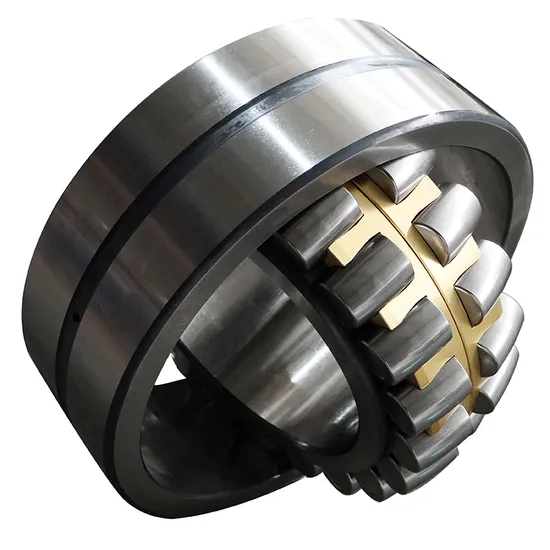
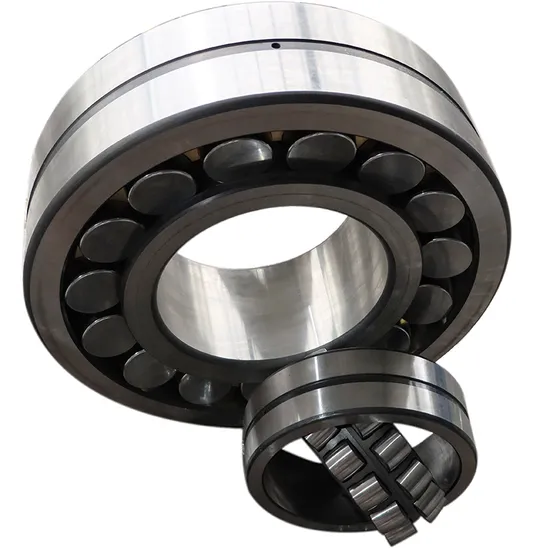
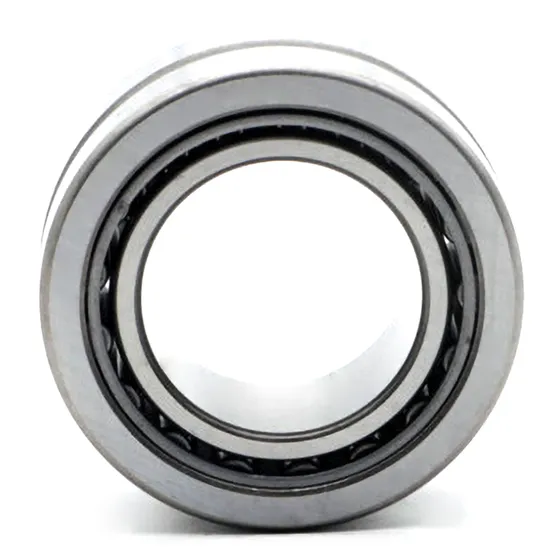
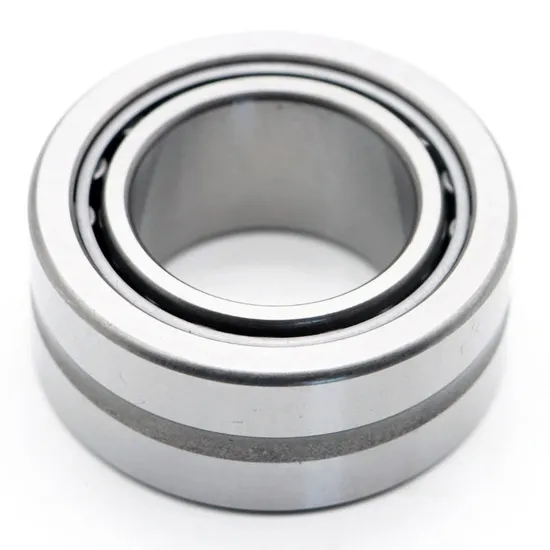
Rod End Bearings for Paper Mills Wholesale Supplier
Load capacity is rarely the primary cause of failure in paper mill rod ends; steam ingress and chemical corrosion are.
Sourcing rod end bearings for paper mills requires prioritizing corrosion-resistant materials like stainless steel and advanced sealing technologies over basic static load ratings. The harsh environment of high humidity, steam exposure, and chemical slurry demands components that resist rust and maintain lubrication integrity, ensuring extended service life and reduced unplanned downtime.
Walking through the dryer section of a large pulp and paper facility in the Middle East, the heat was palpable, but the silence from a stopped machine was louder. The maintenance team pointed to a series of seized linkage points on the dryer hood adjustment mechanism. The previous supplier had provided standard carbon steel rod ends with basic rubber seals. Within two months, the combination of high-temperature steam and condensation had bypassed the seals, washing out the grease and causing rapid oxidation of the inner race. The result was not just a failed bearing, but a distorted housing that required extensive machining to replace. This scenario is common when procurement focuses solely on dimensional fit and load capacity while ignoring the environmental aggressors specific to paper production. [NEED_CITE: common failure modes in humid industrial environments per ISO 15243]
Understanding these environmental challenges is critical for any regional distributor or MRO manager acting as rod end bearing suppliers for paper mills. The goal is not just to supply a part, but to provide a solution that survives the wet end and the dry end alike.
Why Do Standard Rod Ends Fail in Paper Mills?
Standard carbon steel components with inadequate sealing cannot withstand the continuous exposure to steam and acidic condensate found in paper manufacturing.
The paper making process involves significant amounts of water, steam, and often corrosive chemicals for pulping and bleaching. In the dryer section, temperatures can fluctuate rapidly, creating pressure differentials that draw moisture into bearing housings. Standard zinc-plated or chrome-plated carbon steel offers only temporary protection. Once the coating is compromised by wear or micro-cracks, the underlying steel corrodes quickly. [NEED_CITE: corrosion rates of plated vs stainless steel in high-humidity industrial settings]
A European paper mill operator once reported a recurring issue in their pulper area, where agitator linkages were failing every few weeks. The environment here was not just wet; it was chemically aggressive due to the slurry. The standard rod ends supplied previously had succumbed to pitting corrosion, leading to sudden structural failure. By switching to full stainless steel variants with enhanced sealing, the frequency of these emergency replacements dropped noticeably. This shift highlights that material selection is not a cost-saving opportunity but a reliability necessity.
For those sourcing as rod end bearing suppliers for paper mills, recognizing the difference between general industrial use and paper mill specifics is vital. The presence of steam alone is enough to degrade standard lubricants and accelerate rust, making the choice of base material and seal type the first line of defense.
Key Specifications for Paper Mill Environments
Prioritize sealing integrity and material composition over maximum dynamic load ratings when selecting bearings for high-moisture zones.
When evaluating options, many buyers look at the load rating first. However, in paper mills, a bearing that can handle heavy loads but allows steam ingress will fail prematurely. The critical specifications revolve around how well the component repels contaminants and resists chemical attack.
| Specification Factor | Standard Industrial Grade | Paper Mill Recommended Grade | Performance Impact |
|---|---|---|---|
| Body Material | Carbon Steel (Plated) | Stainless Steel (AISI 304/316) | Resistant to rust and chemical pitting |
| Seal Type | Single Rubber Lip | PTFE or Multi-lip Contact Seals | Prevents steam and water ingress effectively |
| Lubrication | Standard Lithium Grease | Water-Resistant Synthetic Grease | Maintains film strength in wet conditions |
| Corrosion Resistance | Low (Coating dependent) | High (Material inherent) | Extends service life significantly |
[NEED_CITE: comparative performance of sealing technologies in high-moisture applications]
In a recent project for a Southeast Asian mill, the calendering section experienced frequent seizures due to grease washout. The high temperature and pressure in this area forced standard grease out of the bearing interface. By specifying rod ends pre-lubricated with high-temperature synthetic grease and equipped with PTFE seals, the maintenance interval extended from quarterly to annual checks. This change did not increase the load capacity, but it drastically improved availability.
Distributors acting as rod end bearing suppliers for paper mills must ensure that the technical datasheets they provide highlight these sealing and material features. Buyers need to see that the product is engineered for their specific environmental hazards, not just generic mechanical duties.
Material Selection: Carbon Steel vs. Stainless Steel
Stainless steel rod ends offer superior longevity in corrosive environments, offsetting higher initial costs through reduced downtime and replacement frequency.
The choice between carbon steel and stainless steel is often dictated by budget constraints, but this view ignores the total cost of ownership. Carbon steel, even with protective plating, is vulnerable in the wet end of a paper machine. Stainless steel, particularly grades like AISI 316, provides inherent resistance to chloride-induced corrosion, which is common in mills using seawater or certain bleaching agents. [NEED_CITE: material compatibility guidelines for marine and industrial wet environments]
Consider the case of a South American mill that struggled with repeated failures in their wire section. The spray nozzles created a constant mist of water and chemicals. Carbon steel rods were rusting within weeks, causing alignment issues and vibration. After switching to stainless steel rod ends, the lifespan of these components increased substantially. The initial investment was higher, but the reduction in emergency maintenance orders and associated production losses made the switch economically viable.
For rod end bearing suppliers for paper mills, stocking stainless steel options is essential. It demonstrates an understanding of the operational realities faced by mill engineers. While carbon steel may suffice for dry, non-critical applications, the core processes of paper making demand the resilience of stainless steel.
How to Verify Supplier Quality and Authenticity
Request material certificates and traceability documentation to ensure that claimed stainless steel grades and sealing technologies are genuine.
The market is flooded with components that claim to be stainless steel but use lower-grade alloys or inadequate plating. Verifying the quality of these parts is crucial for maintaining reliability. Authentic suppliers should be able to provide material test reports (MTRs) that confirm the chemical composition of the steel used. [NEED_CITE: importance of material traceability in industrial bearing procurement]
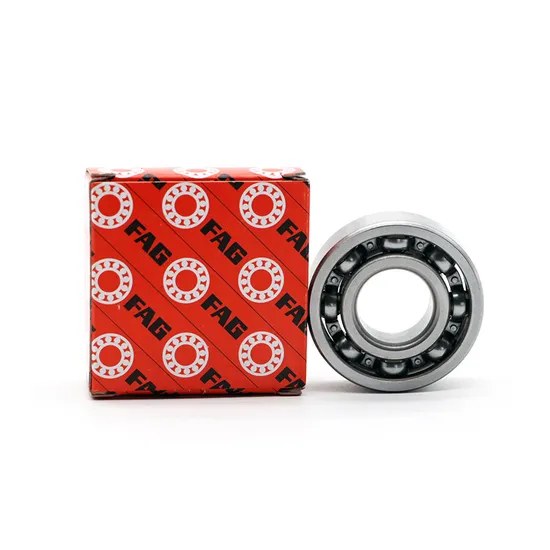
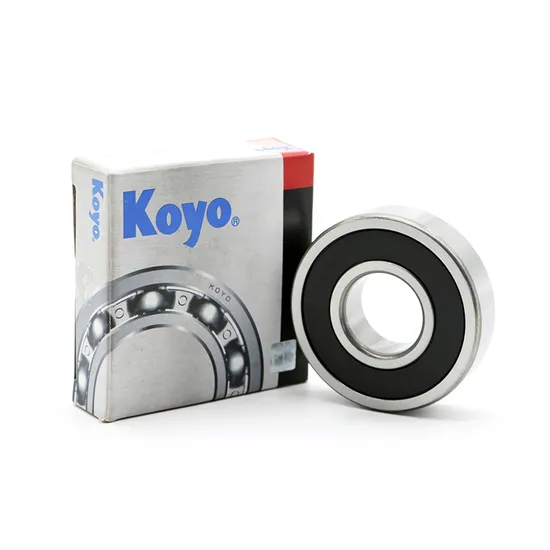
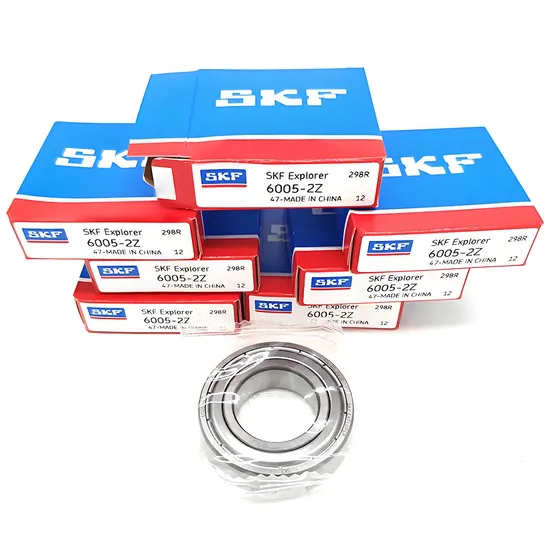
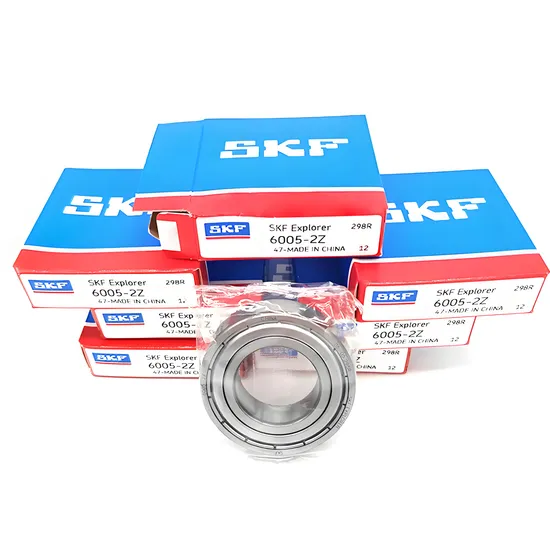
A distributor in Africa once received a batch of rod ends labeled as AISI 316 stainless steel. Upon independent testing, the material was found to be a lower-grade alloy with poor corrosion resistance. This discrepancy led to premature failures and loss of trust with their end clients. By working with suppliers who offer full traceability and ISO-compliant documentation, such risks are mitigated. Genuine brands like SKF, FAG, and NSK have strict quality control processes that ensure consistency across batches.
When evaluating rod end bearing suppliers for paper mills, ask for proof of authenticity. Look for suppliers who stock mixed-brand genuine bearings and can provide the necessary paperwork for customs and quality assurance. This level of transparency is a hallmark of a reliable partner who understands the critical nature of industrial supply chains.
Conclusion
Selecting the right rod end bearings for paper mills hinges on material resilience and sealing effectiveness, not just load capacity.
Success in this harsh environment requires a shift in focus from basic mechanical specs to environmental durability. Stainless steel construction and advanced sealing technologies are non-negotiable for ensuring long-term reliability and minimizing downtime. Partnering with knowledgeable rod end bearing suppliers for paper mills who prioritize these factors ensures that your operations remain efficient and productive.