Genuine Spherical Plain Bearing Wholesale Supplier for MRO Buyers
Lower unit price does not equal lower total cost. In heavy industry maintenance, the cheapest bearing often becomes the most expensive component once it triggers unplanned downtime.
Effective sourcing of spherical plain bearings for MRO requires rigorous authenticity verification and strategic mixed-brand consolidation to mitigate the high risk of counterfeit-induced downtime in heavy industries. Buyers must prioritize traceability documentation and physical inspection protocols over initial purchase price to ensure operational continuity.
Every time the Chicago MRO exhibition wraps up, I hear the same complaint from seasoned buyers. They pull me aside, frustrated, holding a box of bearings labeled with a premium European brand. The packaging looks perfect. The holograms seem intact. But after two weeks of operation in a mining crusher, the inner ring coating fails, causing severe异响 (noise) and vibration. I have seen this scenario too many times. Years ago, working as a quality inspector in a workshop, I dismantled a batch of returned GE series spherical plain bearings. The phosphating layer on the inner ring scraped off with minimal pressure, revealing bare metal that looked nothing like the original factory finish. This experience shaped my approach to sourcing. It is not just about finding a Spherical Plain Bearing Sourcing Strategy; it is about understanding the physical reality of what goes into your equipment. [NEED_CITE: common failure modes in counterfeit bearings per ISO 15243]
The market is flooded with replicas that mimic packaging but fail under load. For MRO operators in mining, steel, and heavy machinery, the goal is not just to buy parts, but to secure reliability. This guide details how to verify authenticity, optimize procurement, and prevent costly production stops.
Why Do Standard Sourcing Methods Fail for Spherical Plain Bearings?
Standard procurement channels often lack the transparency required for heavy-load applications. Complex supply chains create multiple entry points for counterfeit goods, making it difficult for end-users to trace the origin of their components.
Many buyers assume that purchasing from a large distributor guarantees authenticity. However, the reality is that unauthorized resellers often mix genuine stock with high-quality fakes. The risk is highest in the MRO sector, where urgent replacements are needed, and buyers may bypass strict verification steps to minimize downtime. [NEED_CITE: impact of counterfeit parts on industrial supply chain integrity]
Consider a case involving a mining operation in South America. The maintenance team sourced spherical plain bearings from a local trader who offered a price significantly below the market average. The bearings were installed in primary gyratory crushers. Within weeks, the inner rings showed signs of premature wear and coating delamination. The subsequent overhaul cost ten times the savings achieved on the initial purchase. The root cause was a lack of traceability. The trader could not provide original mill certificates or batch-specific documentation.
This highlights a critical flaw in standard sourcing: the focus on price rather than provenance. A robust Spherical Plain Bearing Sourcing Strategy must include direct verification of the supplier’s authorization status and their ability to provide full documentation trails. Without this, buyers are essentially gambling with their equipment’s lifespan.
To avoid these pitfalls, buyers must shift their focus from transactional buying to relational sourcing. This means working with suppliers who can demonstrate a clear line of sight back to the original manufacturer. It involves asking hard questions about inventory sources and demanding proof of authenticity before payment.
What Are the Critical Verification Steps Before Purchase?
Physical inspection and documentation validation are non-negotiable for heavy-load applications. Relying solely on packaging is insufficient due to the sophistication of modern counterfeiting techniques.
Verification begins with the paperwork. A genuine bearing must come with a Certificate of Origin (COO), material certificates, and batch numbers that match the product markings. These documents should be verifiable with the manufacturer. [NEED_CITE: standard documentation requirements for industrial bearing traceability]
Next, perform a visual inspection. Genuine spherical plain bearings exhibit specific characteristics that are difficult to replicate. Look for the quality of the phosphating layer on the inner ring. It should be uniform, dark gray, and firmly adhered. Counterfeit parts often have a patchy, light gray coating that flakes off easily. Check the laser marking depth. Original markings are precise and deep, while fakes may appear shallow or uneven.
| Inspection Point | Genuine Bearing Characteristics | Counterfeit Bearing Indicators |
|---|---|---|
| Phosphating Layer | Uniform, dark gray, firmly adhered | Patchy, light gray, flakes easily |
| Laser Marking | Precise, deep, consistent font | Shallow, uneven, inconsistent font |
| Packaging Quality | High-grade cardboard, precise printing | Recycled materials, blurry printing |
| Documentation | Verifiable COO, material certs, batch numbers | Missing, generic, or unverifiable docs |
A steel mill in Southeast Asia implemented strict batch inspection protocols after discovering non-OEM phosphating layers causing premature wear. By training their receiving team to check these specific visual cues, they reduced their return rate noticeably. This demonstrates that verification is not just a theoretical exercise but a practical necessity.
When evaluating a Spherical Plain Bearing Sourcing Strategy, ensure that your supplier supports these verification steps. They should be willing to provide samples for inspection and assist in validating documentation. This level of transparency is a key indicator of a reliable partner.
How Can Mixed-Brand Consolidation Optimize MRO Inventory?
Balancing premium brands for critical points with reliable alternatives for less critical ones reduces total cost of ownership. Mixed-brand consolidation allows buyers to optimize spending without compromising safety.
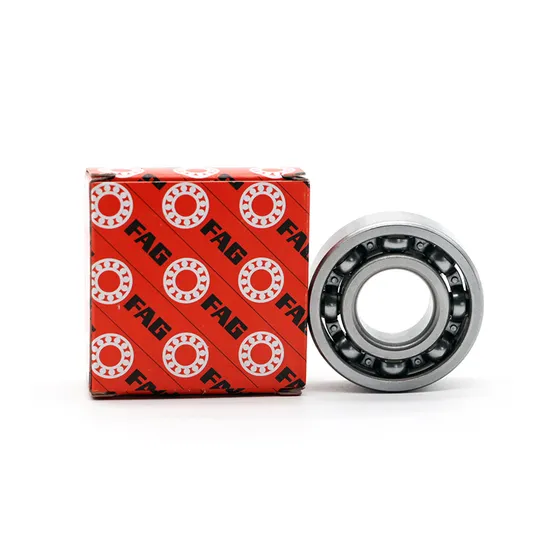
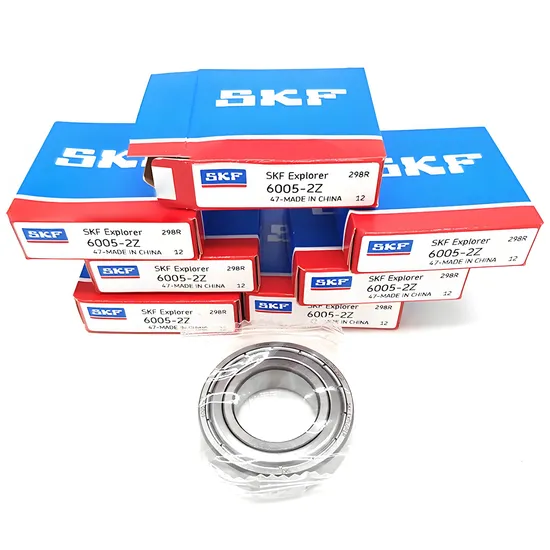
Not every application requires a top-tier premium brand. For non-critical support roles, high-quality domestic Chinese brands can offer excellent performance at a lower cost. However, for high-load, high-speed, or harsh environment applications, premium brands like SKF, FAG, or TIMKEN are essential. The challenge lies in managing multiple suppliers for these different tiers.
A European port machinery operator faced an urgent need for mixed-brand GE series bearings during an emergency repair. Sourcing from separate distributors would have taken six weeks due to fragmented logistics. By consolidating the order with a single supplier capable of handling mixed brands, they reduced the lead time to five days. This speed was crucial in getting the cranes back online. [NEED_CITE: benefits of consolidated logistics in MRO operations]
Mixed-brand consolidation also simplifies inventory management. Instead of maintaining relationships with dozens of vendors, buyers can work with one partner who stocks a wide range of brands. This partner can provide technical consultation to help select equivalent models when a specific brand is out of stock.
| Application Criticality | Recommended Brand Tier | Sourcing Focus |
|---|---|---|
| High Load / High Speed | Premium Global Brands | Authenticity, Performance, Traceability |
| General Purpose / Low Speed | Reliable Domestic Brands | Cost Efficiency, Availability |
| Emergency Replacement | Mixed Brand Stock | Lead Time, Flexibility, Consolidation |
This approach requires a supplier with deep inventory and technical expertise. They must understand the nuances of each brand and be able to recommend suitable alternatives. A well-executed Spherical Plain Bearing Sourcing Strategy leverages this flexibility to balance cost and reliability.
By adopting mixed-brand consolidation, buyers can achieve a more resilient supply chain. They are less vulnerable to shortages from any single manufacturer and can respond more quickly to maintenance needs.
Which Supplier Capabilities Ensure Long-Term Reliability?
Look for suppliers offering technical selection support and transparent traceability, not just logistics. Long-term reliability depends on the supplier’s ability to act as a technical partner rather than a simple box mover.
A reliable supplier should have a massive spot inventory covering thousands of standard and special part numbers. This ensures that urgent orders can be fulfilled quickly. However, inventory alone is not enough. The supplier must also provide technical support for model selection and failure analysis. [NEED_CITE: role of technical support in bearing lifecycle management]
Consider a wind farm operator in Northern Europe. They experienced repeated failures in their main shaft bearings. The supplier did not just replace the parts; they conducted a failure analysis and identified that the original specification was inadequate for the actual load conditions. They recommended a higher-capacity equivalent from a different brand, which resolved the issue. This level of engagement is what separates a true partner from a vendor.
Key capabilities to look for include:
- Complete Traceability: Ability to provide full documentation for every batch.
- Technical Consultation: Expertise in cross-brand equivalent model selection.
- Flexible MOQ: Willingness to handle both single-unit emergency orders and full container consolidations.
- Global Shipping Consolidation: Ability to combine orders from different brands into a single shipment.
These capabilities ensure that the buyer receives not just a product, but a solution. A comprehensive Spherical Plain Bearing Sourcing Strategy integrates these supplier strengths into the procurement process.
When evaluating potential partners, ask about their technical team and their process for handling complex queries. A supplier that invests in technical expertise is more likely to deliver long-term value.
Conclusion
Authenticity and strategic consolidation are the pillars of effective MRO procurement. Buyers must move beyond price-focused purchasing to embrace a holistic approach that prioritizes traceability and technical support.
By implementing rigorous verification steps and leveraging mixed-brand consolidation, MRO operators can significantly reduce the risk of counterfeit-induced downtime. Partnering with suppliers who offer genuine multi-brand sourcing and technical consultation ensures that equipment remains operational and efficient. A well-defined Spherical Plain Bearing Sourcing Strategy is not just a procurement tactic; it is a critical component of operational excellence in heavy industry.