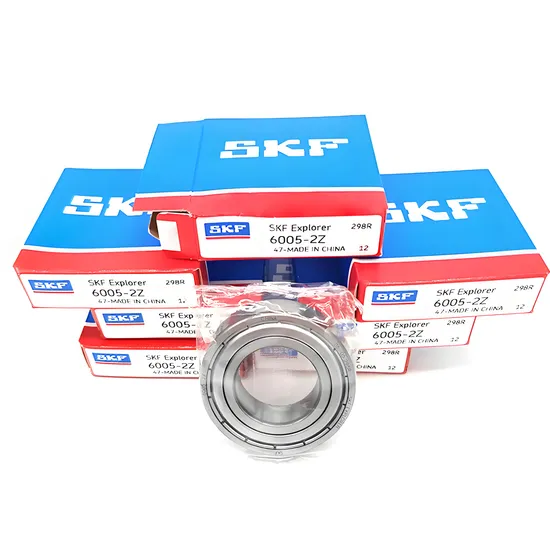
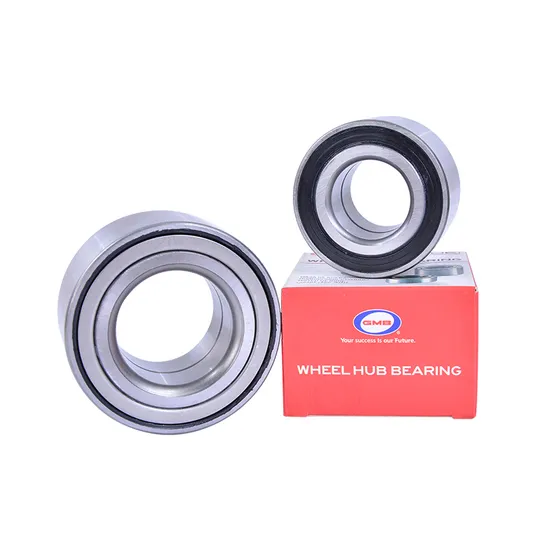
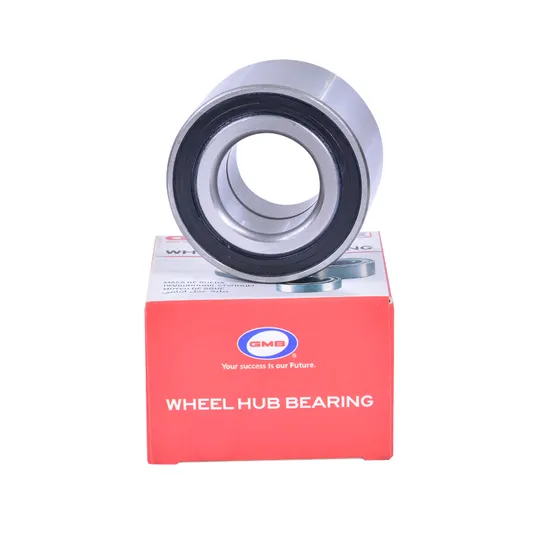
Genuine Auto Wheel Bearings for NZ Rail Fleet Wholesale Supplier
The lowest unit price is often the most expensive line item on your balance sheet.
Direct importing direct import wheel bearings New Zealand rail components requires rigorous traceability beyond simple price comparison; success hinges on verifying batch consistency and complete customs documentation to prevent port detention. For procurement managers in the NZ rail sector, the primary risk is not availability, but authenticity verification and regulatory compliance at the border. A single mismatched batch number can halt an entire locomotive maintenance schedule, turning a cost-saving initiative into a logistical nightmare.
I still remember the humidity in Manzanillo, standing on the dock while a container of TIMKEN tapered roller bearings sat untouched. The client, a mining operation in Mexico, had rejected the shipment because the batch numbers on the warranty certificates did not match the stamps on the inner boxes. It was not a quality issue; it was a paperwork failure. The cargo remained stranded for weeks, accruing demurrage fees that erased the margin we had fought hard to secure. That incident reshaped how I approach every shipment, especially for critical infrastructure like rail fleets. When dealing with direct import wheel bearings New Zealand rail applications, the paper trail is as vital as the steel itself.
Why Direct Import? Balancing Cost and Risk for Rail Fleets
Direct sourcing offers significant margin benefits but demands strict verification protocols to mitigate supply chain risks.
Many buyers assume that purchasing through official brand channels is the only way to guarantee authenticity. However, for MRO (Maintenance, Repair, and Operations) scenarios, direct importing from specialized global suppliers allows for mixed-brand consolidation and better pricing structures. The key is understanding that the value proposition shifts from mere product acquisition to supply chain transparency. [NEED_CITE: total landed cost components in industrial bearing procurement]
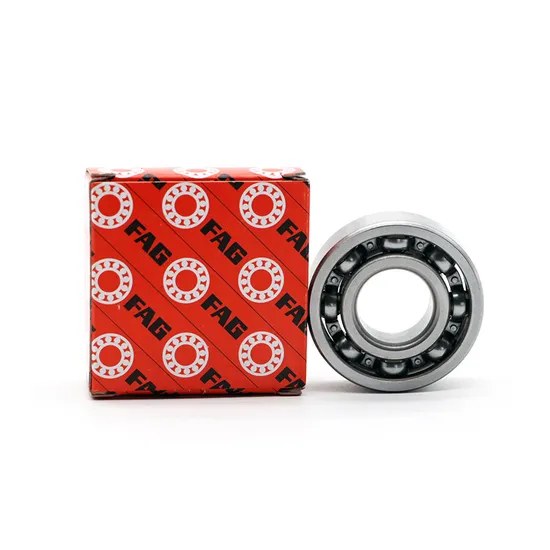
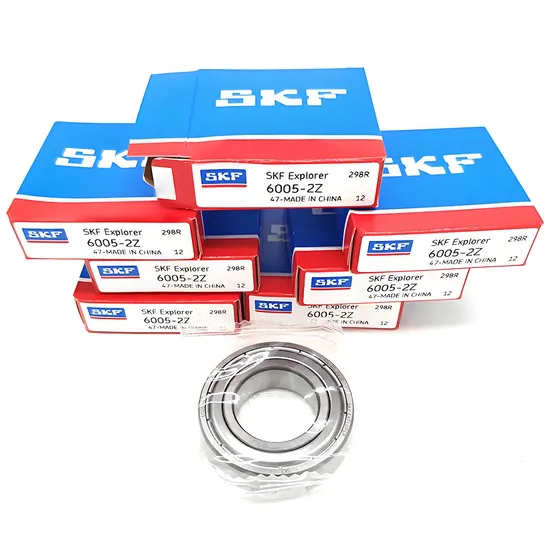
When sourcing direct import wheel bearings New Zealand rail parts, the decision matrix should not focus solely on the ex-works price. Instead, it must account for the risk of non-compliance penalties, potential downtime due to counterfeit parts, and the administrative burden of customs clearance. A consolidated shipment containing SKF, FAG, and reliable domestic lines can optimize the budget without compromising the safety of critical axle box components.
| Sourcing Channel | Price Competitiveness | Traceability Level | Lead Time Flexibility | Compliance Risk |
|---|---|---|---|---|
| Official Brand Channel | Low | Full | Rigid | Low |
| Local Distributor | Medium | High | Moderate | Low |
| Direct Global Supplier | High | Variable (Requires Audit) | High | Medium-High (If Unverified) |
Table 1: Comparison of sourcing channels for heavy-duty rail bearings.
The table above illustrates that while direct global suppliers offer high price competitiveness and lead time flexibility, the traceability level is variable. This is where the buyer’s diligence becomes crucial. By implementing a pre-shipment verification protocol, you can elevate the traceability of a direct supplier to match that of an official channel, thereby capturing the cost savings without inheriting the risk. This approach is particularly effective for direct import wheel bearings New Zealand rail projects where fleet reliability is paramount.
Critical Documentation: The Backbone of Smooth Customs Clearance
Mismatched batch numbers or missing certificates cause costly delays; a triple-check system is non-negotiable.
Customs authorities in New Zealand are stringent regarding industrial imports. A discrepancy between the commercial invoice, the packing list, and the original factory certificate can lead to immediate inspection holds. For direct import wheel bearings New Zealand rail shipments, this is not merely an inconvenience; it is a operational threat.
I recall a shipment destined for a regional depot where the customs declaration listed a generic HS code, but the accompanying material certificates specified a particular alloy grade. The mismatch triggered a manual review, delaying the release by several days. While the financial cost was manageable, the delay meant that scheduled maintenance on three locomotives had to be postponed. This ripple effect underscores the importance of document alignment.
To avoid such hurdles, a rigorous documentation checklist is essential:
- Original Factory Certificate: Must include batch numbers, manufacturing date, and technical specifications.
- Packing List Cross-Reference: Every box in the container must correspond to an entry on the packing list.
- Customs Declaration Alignment: The description and values on the declaration must match the commercial invoice exactly.
[NEED_CITE: New Zealand customs compliance requirements for industrial machinery parts]
Implementing a pre-shipment audit service can identify these discrepancies before the cargo leaves the origin port. This proactive step ensures that when the direct import wheel bearings New Zealand rail consignment arrives, it clears customs smoothly, allowing for immediate deployment to the maintenance teams.
Verifying Authenticity: Beyond the Box Label
Physical inspection and digital traceability records ensure genuine performance under heavy rail loads.
It is a common misconception that all "genuine" boxes are equal. In reality, the integrity of the bearing depends on batch-specific material certifications and proper handling during transit. Counterfeiters have become sophisticated, replicating packaging with high fidelity. Therefore, verification must go beyond visual inspection of the outer box.
For direct import wheel bearings New Zealand rail applications, the following verification steps are critical:
- Batch Number Verification: Cross-check the batch number on the bearing ring with the certificate. This number links the physical product to its production history.
- Material Certification: Ensure the steel grade meets international standards for heavy-load applications. [NEED_CITE: ISO standards for bearing steel quality]
- Digital Traceability: Where available, use QR codes or serial numbers to access the manufacturer’s digital records.
A European wind farm operator once received a batch of bearings that looked authentic but failed prematurely under load. Investigation revealed that the bearings were genuine but had been stored in improper conditions, leading to micro-corrosion. This highlights the need for verifying not just the origin, but the storage history. For rail fleets, where dynamic stresses are extreme, such hidden defects can be catastrophic.
By demanding comprehensive traceability documentation, buyers can ensure that the direct import wheel bearings New Zealand rail components they receive are not only genuine but also fit for purpose. This level of scrutiny transforms the procurement process from a transactional activity into a strategic quality assurance measure.
Sourcing Strategy: Mixed-Brand Consolidation for MRO Efficiency
Combining premium and reliable domestic brands optimizes budget without compromising critical safety components.
Rail fleets require a diverse range of bearings for different applications. While axle boxes may demand premium brands like TIMKEN or SKF, less critical auxiliary systems might perform adequately with high-quality domestic lines. A mixed-brand consolidation strategy allows buyers to allocate their budget more effectively.
This approach involves categorizing components based on criticality:
- Critical Safety Components: Use premium global brands with full traceability.
- Standard MRO Items: Consider reliable domestic alternatives that meet ISO standards.
[NEED_CITE: cost-benefit analysis of mixed-brand sourcing in industrial maintenance]
By consolidating these diverse SKUs into a single shipment, buyers can reduce logistics costs and simplify inventory management. This strategy is particularly beneficial for direct import wheel bearings New Zealand rail procurement, where the volume of spare parts can be substantial. It allows for economies of scale in shipping while maintaining the necessary quality standards for safety-critical applications.
Furthermore, working with a supplier who offers cross-brand equivalent model consultation can help identify suitable alternatives without compromising performance. This technical support ensures that the mixed-brand strategy is implemented wisely, balancing cost efficiency with operational reliability.
Conclusion
Traceability is the currency of trust in direct bearing imports.
Success in sourcing direct import wheel bearings New Zealand rail components lies not in finding the cheapest quote, but in establishing a robust verification framework. By prioritizing documentation accuracy, physical authenticity checks, and strategic mixed-brand consolidation, procurement managers can secure reliable supply chains that support fleet uptime. The goal is to transform the complexity of direct importing into a competitive advantage, ensuring that every bearing installed contributes to the long-term reliability of the rail network.