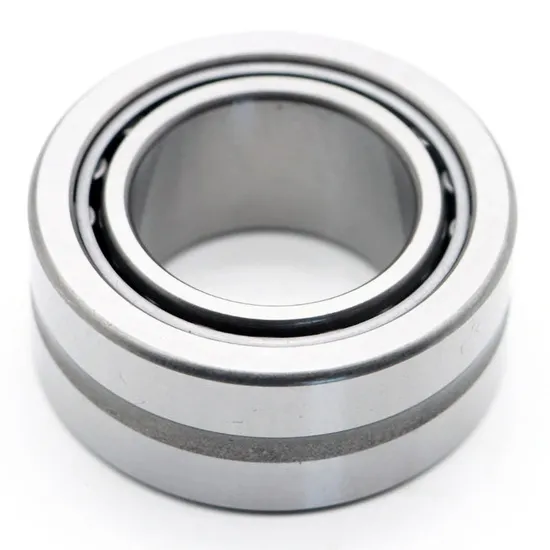
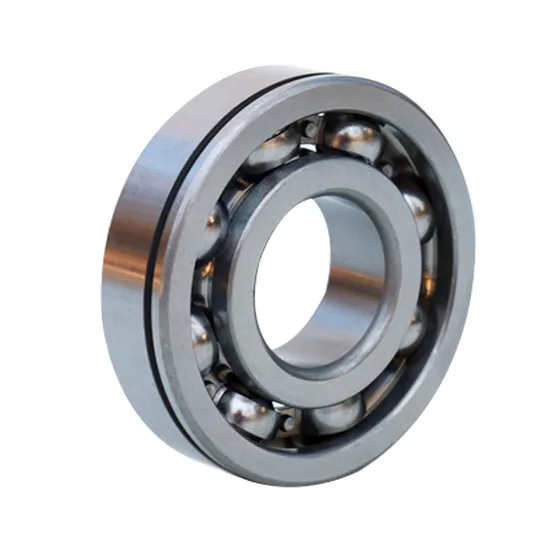
Custom Logo Cylindrical Roller Bearings Wholesale Supplier for Distributors
Custom branding is not about altering the steel; it is about aligning packaging, documentation, and physical markings to prevent customs detention.
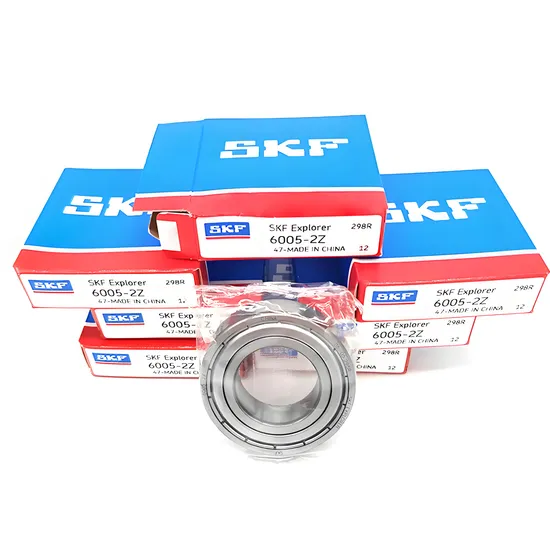
Sourcing custom logo cylindrical roller bearings requires a strict synchronization between the external brand identity and the internal technical traceability. For distributors, the core challenge is not finding a manufacturer who can laser a logo, but ensuring that the customized packaging matches the commercial invoice, certificate of origin, and brand authorization letters exactly. This alignment prevents border delays and protects your local brand reputation from accusations of selling counterfeit goods. The bearing inside remains a genuine, standard-component product, while the outer presentation is tailored to your market’s specific retail or industrial requirements.
Having spent years moving from the quality control bench to the front lines of international trade, I have seen how minor discrepancies in labeling can halt an entire shipment. In the early days, working directly with inspection teams, I learned that a bearing’s integrity is defined by its radial clearance and roller grouping. Later, negotiating with clients in Riyadh and Dubai, I realized that their biggest fear was not product failure, but supply chain interruption due to compliance issues. A single mismatch between the box label and the invoice description can lead to weeks of storage fees and lost credibility with end-users. This guide breaks down how to secure custom logo cylindrical roller bearings without compromising on authenticity or legal compliance.
Why Do Local Distributors Require Custom Branding?
Building a private label distinguishes your inventory from gray market goods and fosters local customer loyalty.
Many regional wholesalers assume that selling established global brands is the only path to credibility. However, the market is saturated with parallel imports where price is the only differentiator. By introducing private label cylindrical roller bearings, you create a unique value proposition. Customers begin to associate reliability with your company name, not just the original manufacturer’s mark. This shift allows for better margin control and reduces direct price comparison with online giants.
The psychological impact on B2B buyers is significant. When a maintenance manager at a local cement plant sees your logo on the bearing and the packaging, they perceive a direct line of accountability to you. This perception is crucial for securing long-term maintenance contracts. Furthermore, custom branding helps in organizing inventory. Instead of managing dozens of different box designs from various original equipment manufacturers, you can standardize your warehouse operations with uniform custom branded industrial bearings wholesale packaging. This uniformity simplifies shelf management and enhances the professional appearance of your supply operation.
From a technical standpoint, the bearing itself does not change. The rollers, cages, and rings are sourced from reputable production lines that meet international standards. The customization is purely superficial, involving laser marking on non-critical surfaces and bespoke packaging materials. This approach ensures that the mechanical performance remains consistent with industry expectations while the commercial identity shifts to your brand. It is a strategic move that transforms a commodity product into a proprietary asset for your business.
What Are the Hidden Risks in Custom Branding?
Inconsistent documentation and unauthorized intellectual property usage are the primary causes of customs detention.
The most common misconception is that customs officers only check for counterfeit products. In reality, they scrutinize the consistency of information across all documents. If the packing list says "Brand A" but the physical box displays "Brand B," the shipment is flagged for inspection. This discrepancy often leads to prolonged holds, especially in regions with strict intellectual property enforcement like the Gulf Cooperation Council countries.
Consider a case involving a Middle East mining client. They ordered a batch of bearings with their own logo printed on the boxes. However, the commercial invoice listed the original manufacturer’s name to secure a lower declared value for insurance purposes. Upon arrival, the customs authority noticed the mismatch between the visible branding and the declared entity. The cargo was held for two weeks while the importer scrambled to provide a brand authorization letter. This delay cost them significantly more than the savings they had attempted to achieve. To avoid this, every piece of paperwork must reflect the custom branding accurately.
| Risk Factor | Potential Consequence | Mitigation Strategy |
|---|---|---|
| Mismatched Invoice Description | Customs Detention & Fines | Ensure invoice matches physical branding exactly [NEED_CITE: customs declaration consistency standards] |
| Lack of Authorization Letter | IP Infringement Claims | Secure written permission from the original manufacturer or supplier |
| Non-Compliant Packaging Material | Environmental Rejection | Use durable, climate-resistant materials suitable for humid regions |
| Missing Traceability Docs | Tender Disqualification | Retain original mill certificates inside neutral inner boxes |
When sourcing bearing distributor OEM packaging, it is vital to verify that the supplier understands these regulatory nuances. The packaging must not only look good but also serve as a legal document of sorts. The materials used should withstand the harsh climatic conditions of target markets, such as the high humidity in coastal areas. Poor quality cardboard that degrades during transit can expose the bearings to contamination, leading to premature failure and brand damage.
How to Ensure Quality While Customizing?
Maintain genuine internal components with external branding only to preserve technical integrity.
A prevalent myth is that custom logo bearings are made from inferior steel or undergo different heat treatment processes. The truth is that reputable suppliers use the same genuine stock for both branded and custom orders. The differentiation lies solely in the final stages of assembly and packaging. Laser marking is performed on the outer ring or shield, ensuring that the depth and position do not affect the bearing’s balance or structural integrity. [NEED_CITE: laser marking impact on bearing balance standards]
For distributors, this means you can offer custom logo cylindrical roller bearings that perform identically to premium global brands. The key is to request proof of origin for the internal components. Reliable suppliers will provide mill certificates and batch numbers that trace back to the original production facility. These documents should be kept in a neutral inner box, separate from the custom-branded outer packaging. This setup allows you to present a polished product to your customers while retaining the technical evidence needed for warranty claims or tender bids.
In one instance, a Saudi industrial supplier needed to bid for a government contract that required full traceability. They opted for custom branding to enhance their corporate image but were concerned about meeting the technical documentation requirements. By using a modular packaging solution, we placed the original manufacturer’s certificates inside the inner neutral box, while the outer box featured the distributor’s logo. This approach satisfied both the marketing need for brand visibility and the legal requirement for technical transparency.
Quality assurance also involves checking the laser marking process. The mark should be clear, permanent, and free of burrs that could attract debris. It should not penetrate too deeply into the metal, which could create stress concentration points. Suppliers who specialize in custom branded industrial bearings wholesale will have standardized procedures for this process, ensuring that every unit meets the same aesthetic and technical criteria. This consistency is crucial for maintaining trust with your end-users, who expect uniformity across every purchase.
What Documents Are Essential for Smooth Clearance?
Aligning physical goods with legal paperwork ensures hassle-free import and brand protection.
The final hurdle in the supply chain is customs clearance. To ensure a smooth process, you must prepare a comprehensive set of documents that mirror the physical attributes of the shipment. The commercial invoice, packing list, and certificate of origin must all reference the custom brand name if it appears on the product or packaging. Additionally, a brand authorization letter is often required to prove that you have the right to use the logo or sell the product under that name.
| Document Type | Purpose | Key Content Requirement |
|---|---|---|
| Commercial Invoice | Value Declaration | Must match the brand name on the box [NEED_CITE: invoice accuracy regulations] |
| Packing List | Quantity Verification | Detailed breakdown of SKUs and packaging types |
| Certificate of Origin | Tariff Determination | Must state the country of manufacture clearly |
| Brand Authorization | IP Compliance | Signed letter permitting the use of the custom logo |
Failure to provide these documents can result in severe penalties. In some jurisdictions, missing a brand authorization letter can lead to the confiscation of goods. Therefore, it is essential to work with a supplier who understands the documentation requirements of your target market. They should be able to provide templates and guidance on how to structure these documents correctly.
When dealing with custom logo cylindrical roller bearings, it is also important to consider the HS code classification. While the bearing itself has a standard code, the packaging might influence certain regulatory checks. Ensuring that the HS code on the invoice matches the actual product description helps avoid unnecessary scrutiny. This level of detail demonstrates professionalism and reduces the likelihood of delays.
Conclusion
Successful custom branding relies on documentation consistency, not just aesthetic changes.
Sourcing custom logo cylindrical roller bearings is a strategic move for distributors looking to build brand equity and differentiate themselves in a competitive market. By focusing on the alignment of packaging, technical documentation, and physical markings, you can avoid common pitfalls such as customs detention and brand reputation damage. Remember that the core value lies in the genuine quality of the internal components, supported by a transparent and compliant supply chain. This approach ensures that your private label becomes a symbol of reliability and professionalism in your region.