
Spherical Roller Bearing Cleaning for Mining: Wholesale Supplier
Diesel soaking is not cleaning; it is a contamination transfer mechanism.
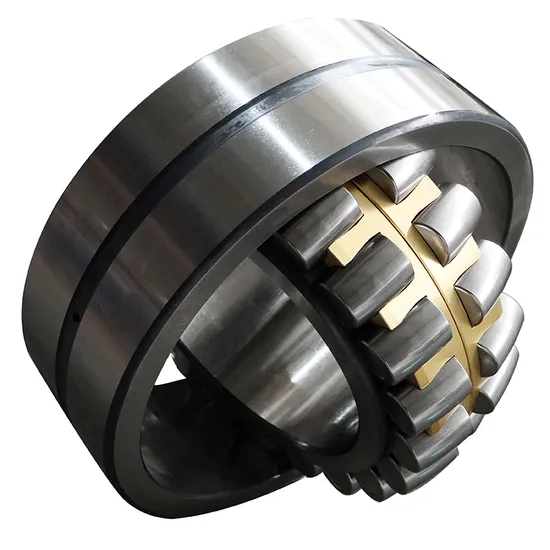
Proper cleaning of spherical roller bearings in mining applications requires controlled solvent filtration and strict adherence to cleanliness codes, not just visual wiping. Improper methods embed abrasive particles, leading to premature raceway failure. The core objective is to remove preservative oils and operational contaminants without introducing new particulate matter, ensuring the bearing meets ISO 4406 cleanliness standards before re-lubrication or installation.
Moving from the technical bench in Qingdao to global trade coordination, I witnessed a recurring pattern of premature bearing failures that had nothing to do with manufacturing defects. The issue lay entirely in the post-delivery handling. A gold mine operator in South Africa once reported catastrophic cage failures in their primary crusher bearings within three months of installation. Upon receiving the failed units, the internal raceways were scored with fine, hard particulates. The maintenance team had been using unfiltered diesel in open trays to clean the bearings during overhaul. This practice suspended iron ore fines in the solvent, which then settled into the soft metal of the rollers upon drying. Implementing a filtered cleaning station and switching to a low-residue solvent extended the service life to over eighteen months. This shift highlights why understanding Spherical Roller Bearing Cleaning Mining protocols is critical for MRO managers aiming to reduce unplanned downtime.
Why Standard Cleaning Fails in Mining Environments?
Mining environments present a unique challenge because the contaminants are not just dirt; they are abrasive minerals. Iron ore, silica, and coal dust possess hardness levels that can exceed the surface hardness of bearing steel if embedded under load. Standard industrial cleaning practices, such as wiping with rags or soaking in stagnant solvent baths, are insufficient for these conditions.
The fundamental error lies in the assumption that "visually clean" equates to "technically clean." [NEED_CITE: correlation between visual inspection limits and microscopic particle counts]. Human eyes cannot detect particles smaller than 40 microns, yet particles as small as 10 microns can initiate fatigue cracks in high-load mining applications. When a bearing is soaked in unfiltered diesel, the solvent acts as a carrier for these micro-abrasives. As the solvent evaporates, it leaves behind a concentrated layer of grit on the raceway.
Furthermore, many maintenance teams overlook the incompatibility between preservative oils and high-temperature mining greases. Preservatives are designed for storage protection, not lubrication. If not fully removed, they can dilute the specialized grease, reducing its viscosity and film strength. This leads to metal-to-metal contact under heavy loads. Understanding the chemistry of Spherical Roller Bearing Cleaning Mining is therefore not just about hygiene; it is about maintaining the tribological integrity of the lubricant film.
What Are the Critical Steps for Safe Bearing Cleaning?
A robust cleaning procedure must be systematic, moving from gross contaminant removal to fine particulate extraction. The goal is to achieve a state where the bearing surface is free of both visible debris and microscopic abrasives. This process requires specific tools and controlled environments.
- Initial Degreasing: Remove bulk grease and heavy sludge using a coarse filter system. This step prevents the rapid clogging of fine filters in subsequent stages. Use a non-chlorinated, low-residue solvent that does not leave a film after evaporation. [NEED_CITE: properties of non-chlorinated solvents for bearing maintenance].
- Ultrasonic or Agitated Bath Cleaning: Submerge the bearing in a heated solvent bath with agitation. Ultrasonic cleaning is highly effective for dislodging particles from cage windows and roller ends. The solvent must be continuously circulated through a multi-stage filtration system.
- Filtration Requirements: The cleaning fluid must pass through filters with a micron rating suitable for capturing harmful particulates. For mining bearings, a final filtration stage of 5 microns or less is recommended to ensure compliance with strict cleanliness codes. [NEED_CITE: ISO 4406 cleanliness code requirements for heavy-duty bearings].
- Rinsing: Perform a final rinse with fresh, filtered solvent to remove any residual suspended particles from the previous bath. This step is crucial to prevent redeposition of contaminants.
- Drying: Use warm, dry air or vacuum drying techniques to remove all solvent traces. Flash rust is a significant risk if moisture remains. Immediate application of a compatible anti-corrosion oil or grease is necessary once the bearing is completely dry.
Executing these steps correctly ensures that Spherical Roller Bearing Cleaning Mining procedures align with manufacturer specifications and industry best practices. Deviating from this protocol, such as skipping the filtration step, negates the benefits of the cleaning process.
How to Verify Cleanliness Before Re-installation?
Verification is the step most often skipped due to time pressure, yet it is the only way to confirm the effectiveness of the cleaning process. Relying on tactile feedback or visual inspection is inadequate for critical mining equipment. Instead, maintenance teams should adopt quantitative verification methods.
The primary standard for verification is the ISO 4406 cleanliness code. This standard quantifies the number of particles per milliliter of fluid at specific size ranges. While typically applied to hydraulic fluids, the principle applies to the final rinse solvent or the grease used immediately after cleaning. By sampling the final rinse fluid, technicians can determine if the particle count falls within acceptable limits for the bearing’s operating conditions.
For solid components, white light interferometry or advanced microscopy can be used to inspect raceway surfaces for residual pitting or embedded particles. However, in field conditions, a practical approach involves using clean white lint-free cloths for the final wipe. If any discoloration appears, the cleaning process must be repeated. Additionally, verifying the absence of solvent residue is critical. Residual solvent can react with grease thickeners, causing separation and loss of lubricity.
When sourcing replacements, working with a supplier who understands Spherical Roller Bearing Cleaning Mining nuances can simplify this phase. Some suppliers offer pre-cleaned and packaged bearings that meet specific ISO cleanliness levels, reducing the on-site preparation burden. This ensures that the bearing enters the housing in a verified state of cleanliness, ready for immediate lubrication and installation.
Which Mistakes Cause Premature Bearing Failure?
Several common mistakes during the cleaning process directly contribute to premature bearing failure. Identifying and avoiding these errors is essential for extending service life.
- Using Unfiltered Solvents: As noted earlier, unfiltered diesel or kerosene redistributes micro-abrasives. This is the most frequent cause of early raceway damage in mining applications. The solvent becomes a slurry of fine ore dust that embeds into the bearing steel.
- Improper Drying Techniques: Using compressed air from shop lines without proper moisture traps introduces water vapor into the bearing. This leads to flash rust, which creates rough spots on the raceway. These rough spots act as stress concentrators, initiating fatigue cracks under load.
- Mixing Incompatible Chemicals: Using chlorinated solvents can leave residues that corrode bearing steel or degrade polymer cages. Always verify chemical compatibility with the bearing materials, including seals and cages. [NEED_CITE: chemical compatibility guidelines for bearing components].
- Ignoring Cage Integrity: During cleaning, aggressive brushing or high-pressure jets can damage delicate cage structures, especially in large spherical roller bearings. Damaged cages lead to improper roller guidance and increased friction.
Avoiding these pitfalls requires a disciplined approach to Spherical Roller Bearing Cleaning Mining. Each step must be executed with precision to ensure the bearing retains its structural and functional integrity.
How to Store Cleaned Bearings for Long-Term Reliability?
Cleaning is only half the battle; proper storage ensures the bearing remains in optimal condition until installation. In mining operations, spare parts may sit in storage for extended periods, making corrosion prevention vital.
Immediately after cleaning and drying, apply a thin layer of anti-corrosion oil or a compatible grease. This coating acts as a barrier against humidity and atmospheric contaminants. Store the bearings in their original packaging if possible, as it is designed to provide mechanical protection and moisture resistance. If original packaging is unavailable, use vapor-corrosion inhibitor (VCI) paper and sealed plastic bags.
Environmental control is also crucial. Store bearings in a cool, dry place with stable temperatures. Fluctuating temperatures can cause condensation inside the packaging, leading to rust. Maintain relative humidity below 60% to minimize corrosion risk. Regularly inspect stored bearings for signs of packaging damage or corrosion.
By integrating proper storage practices with rigorous cleaning protocols, mining operators can significantly reduce the rate of corrosion-related returns and ensure that spare bearings are ready for immediate deployment. This holistic approach to Spherical Roller Bearing Cleaning Mining management supports overall equipment reliability and operational efficiency.
Conclusion
Cleanliness is a measurable parameter, not a visual impression.
Effective maintenance of spherical roller bearings in mining hinges on rigorous cleaning protocols that eliminate abrasive contaminants and preserve surface integrity. By adhering to filtered solvent systems, verifying cleanliness via ISO standards, and avoiding common pitfalls like unfiltered diesel soaking, operators can extend bearing life and reduce unplanned downtime. Proper storage further ensures that cleaned bearings remain ready for reliable service.