Custom Logo Insert Ball Bearings Wholesale Supplier for Rebuild Shops
Most buyers assume suppliers refuse small custom orders out of greed; the reality is that printing plants have fixed setup costs that make small runs economically unviable.
Successfully sourcing custom-logo insert bearings for rebuild shops requires navigating the conflict between low-volume mixed-SKU orders and high-MOQ printing constraints. The key is strategic consolidation and flexible packaging solutions rather than demanding impossible single-SKU volumes.
I still remember the humidity in Qingdao port during that summer when a shipment sat idle for weeks. A client from Riyadh, running a successful agricultural machinery refurbishment business, had placed an order for five thousand units. He wanted his workshop’s logo prominently displayed on every box. We agreed on the price and timeline, but he later split the order into six different bearing models to match his immediate repair needs. Each model quantity fell far below the minimum run required by the packaging printer. The factory refused to start the machines for such small batches, and the goods remained stuck while we scrambled for a solution. This incident reshaped how I approach custom logo insert ball bearing sourcing for repair shops and regional distributors. It is not about refusing work; it is about understanding the mechanical and economic limits of the supply chain.
Understanding this dynamic is crucial for anyone managing inventory for after-market MRO replacement scenarios. When you source from a custom logo insert ball bearing supplier, you are not just buying steel components; you are buying into a production schedule that balances efficiency with customization.
Why Do Custom Logo Orders Fail for Repair Shops?
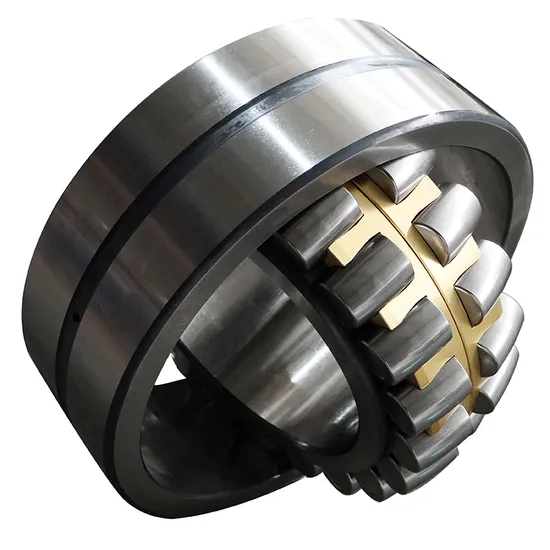
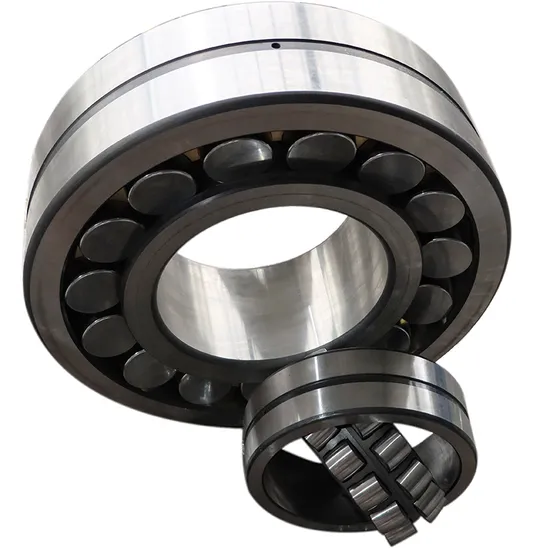
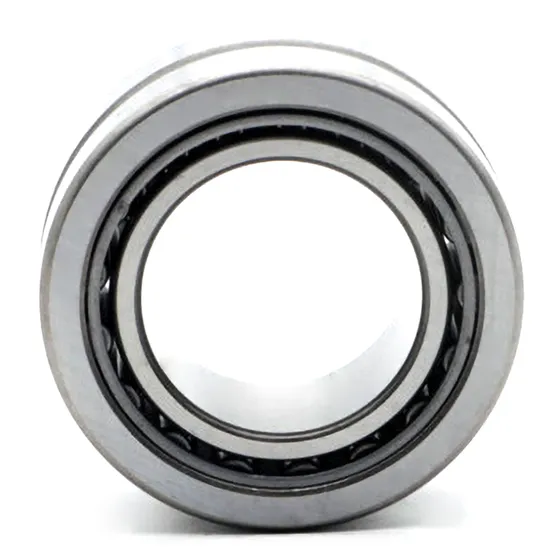
The primary friction point lies in the mismatch between the operational needs of a repair shop and the industrial realities of mass production. Repair workshops typically deal with a wide variety of equipment failures, requiring a broad spectrum of bearing sizes. A single day might see requests for UC204, UC205, and UC212 units, along with various tapered roller bearings for heavy equipment.
However, the printing industry operates on different principles. To achieve a sharp, durable logo on cardboard, offset printing requires a minimum run to amortize the cost of plate creation and machine setup. [NEED_CITE: standard offset printing minimum run economics]. When a buyer splits a total volume across many SKUs, each SKU’s volume drops below this threshold.
Consider the case of a distributor in East Africa who attempted to brand ten different bearing types. The total order was substantial, but no single type exceeded the printer’s minimum. The result was a logistical nightmare where some items arrived branded while others came in plain boxes, confusing end-users and diluting the brand identity. This is a common pitfall in custom logo insert ball bearing sourcing.
The solution is not to force the supplier to break their process but to adjust the ordering strategy. By identifying the top twenty percent of fast-moving SKUs—often the standard insert bearing sizes like UC204 through UC212—and concentrating the branding effort there, shops can meet MOQs while keeping niche sizes in generic packaging. This approach ensures that the most visible inventory carries the brand mark, satisfying marketing goals without stalling production.
What Are the Real MOQ Constraints for Bearing Packaging?
It is essential to distinguish between the manufacturing MOQ for the bearings themselves and the printing MOQ for the packaging. Bearings, especially standard deep-groove ball bearings and insert units, are often produced in large continuous batches. The constraint rarely lies in forging or grinding the steel rings. Instead, it lies in the final presentation.
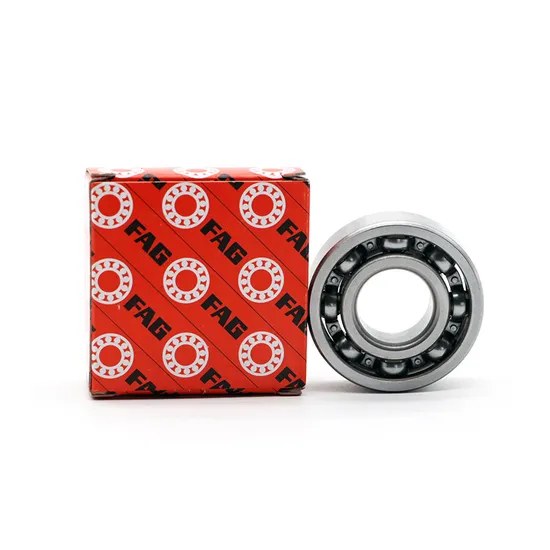
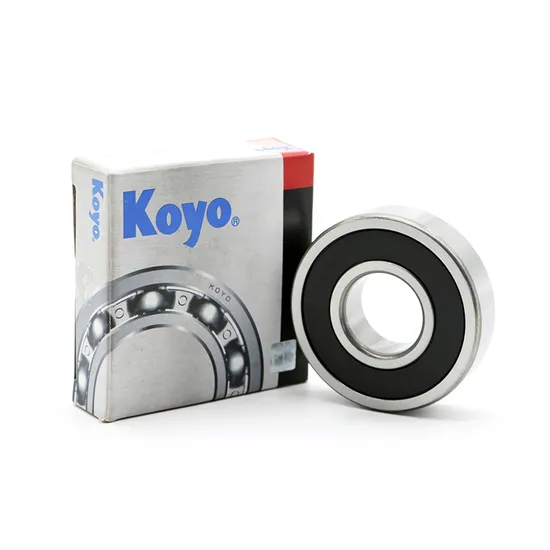
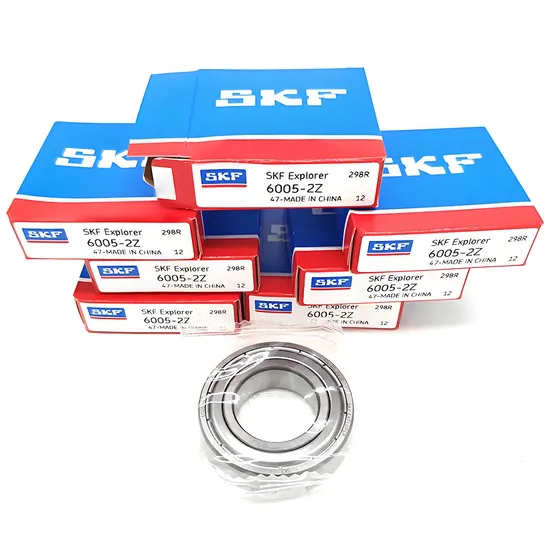
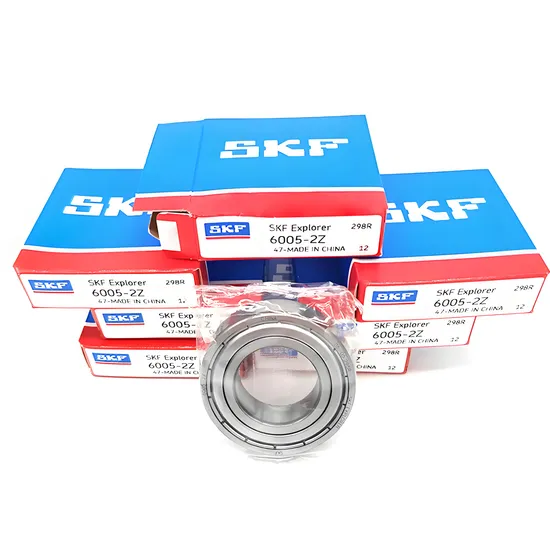
Custom printed cartons require dedicated print runs. If a supplier offers custom logo insert ball bearing sourcing, they must coordinate with packaging partners who operate on industrial scales. A typical setup might require a minimum of one thousand units per design to be cost-effective. Below this, the cost per unit skyrockets, or the supplier simply declines the job.
| Packaging Type | Minimum Order Quantity (MOQ) Nature | Lead Time Impact | Brand Visibility |
|---|---|---|---|
| Custom Printed Cartons | High (per design) | Extended (weeks) | High |
| Generic Box + Custom Label | Low (flexible) | Minimal (days) | Moderate |
| Laser Etched Seals | Medium (per batch) | Moderate | High (on product) |
| Sleeve Inserts | Low (flexible) | Minimal | Moderate |
This table illustrates why many buyers face delays. They opt for custom printed cartons without realizing the lead time implications. In contrast, using generic boxes with high-quality custom adhesive labels can reduce lead times significantly. [NEED_CITE: lead time comparison between custom printing and label application]. For a custom logo insert ball bearing supplier, offering these alternatives is not a compromise but a strategic service that keeps supply chains moving.
A buyer once requested full-color boxes for a mixed container of spherical roller bearings and insert units. By switching to standard brown boxes with professionally printed, weather-resistant labels, we cut the preparation time by more than half. The bearings arrived in time for a critical harvest season maintenance window, proving that flexibility often outweighs aesthetic perfection.
How Can You Customize Branding Without High Volume?
When volume per SKU is low, alternative branding methods become viable. These methods bypass the rigid constraints of carton printing while still delivering a professional appearance. One effective technique is laser etching on the bearing seals or shields. This method marks the metal directly, ensuring permanence and a premium look. It does not require separate packaging runs and can be applied to smaller batches.
Another option is the use of custom sleeve inserts. These are printed paper sleeves that slide over standard boxes. They offer the visual impact of a custom box but can be printed in larger runs and stored for future use across different bearing types. This decouples the branding material from the specific bearing SKU, allowing for greater flexibility in custom logo insert ball bearing sourcing.
For instance, a workshop in Southeast Asia used custom sleeves for their entire inventory of angular contact ball bearings and insert units. They printed a large batch of sleeves with their logo and technical specifications. As they received different bearing sizes from their supplier, they simply slipped the appropriate sleeves over the generic boxes. This method allowed them to maintain a consistent brand image despite ordering small quantities of various specialized bearings.
Additionally, high-quality labels made from durable materials can withstand the harsh environments of industrial storage and transport. These labels can include not just the logo but also QR codes linking to technical datasheets or authenticity verification pages. This adds value beyond mere branding, enhancing the user experience for technicians in the field.
Which Strategy Works Best for Mixed-Model Bulk Orders?
For rebuild shops and regional distributors, the most effective strategy is inventory consolidation based on turnover rates. Identify the core SKUs that account for the majority of your sales or usage. These are typically the standard sizes used in common agricultural and industrial machinery. Focus your custom branding efforts on these high-turnover items.
For slower-moving or specialized items, such as certain thrust bearings or precision special-application bearings, accept generic packaging. This hybrid approach ensures that your most visible stock reinforces your brand, while your niche inventory remains readily available without logistical delays. It aligns with the principles of efficient supply chain management, where resources are allocated to areas with the highest return.
A successful distributor in Latin America adopted this model for their custom logo insert ball bearing sourcing. They branded their top ten selling insert bearing models with custom boxes. The remaining eighty percent of their SKU range, including various cylindrical roller bearings and needle bearings, arrived in standard packaging with simple branded labels. This strategy allowed them to offer a comprehensive product line without suffering from the inventory stagnation that often accompanies rigid branding requirements.
Furthermore, consolidating orders into full container loads can provide additional leverage. Suppliers are more willing to accommodate mixed packaging requests when the overall volume is significant. By planning purchases quarterly rather than monthly, shops can accumulate enough volume for key SKUs to meet branding MOQs while still maintaining a diverse inventory.
Conclusion
Sourcing branded bearings is less about forcing suppliers to bend rules and more about adapting your strategy to industrial realities.
By understanding the true constraints of packaging production and leveraging flexible branding alternatives like labels and laser etching, repair shops can build a strong brand presence without sacrificing availability. Strategic consolidation of high-turnover SKUs allows for effective custom logo insert ball bearing sourcing that balances professional presentation with operational efficiency.