Commercial Steel Mill Roll Neck Bearing Wholesale Supplier for Uzbekistan
The cheapest bearing is often the most expensive component in your production line.
Sourcing roll neck bearings for Uzbekistan’s steel industry requires more than just matching part numbers; it demands rigorous verification of load ratings, precise packaging for Central Asian transit, and complete traceability documentation to prevent costly customs delays. A genuine Steel Mill Roll Neck Bearing Sourcing Uzbekistan strategy prioritizes supply stability and customs compliance over the lowest initial price tag.
I still remember the silence on the other end of the phone line from Tashkent. It was not the quiet of a resolved issue, but the heavy, anxious silence of a production line that had ground to a halt. The shipment had arrived at the port, physically intact, yet legally invisible. The crates lacked the specific origin markings required by local customs regulations. What should have been a routine clearance turned into a two-week standoff, forcing the mill to air-freight emergency replacements at a cost that dwarfed the entire original container value. That incident reshaped how I view every single crate leaving the warehouse. Bearings are not just mechanical components; they are logistical and technical commitments. When you engage in Steel Mill Roll Neck Bearing Sourcing Uzbekistan, you are managing risk as much as you are managing inventory.
Understanding this holistic approach is critical for industrial distributors and MRO managers who need to keep heavy-duty metallurgy applications running without interruption. The following guide breaks down the technical and logistical realities of securing these critical components.
Why Do Standard Bearings Fail in Uzbek Steel Mills?
High heat and heavy loads require specific clearances and genuine materials, not just standard off-the-shelf solutions.
In the roughing stands of a steel mill, the environment is hostile. Temperatures soar, loads are immense, and contamination is constant. A common mistake is specifying standard internal clearance for these high-heat zones. Under thermal expansion, a standard clearance bearing will seize or suffer premature fatigue because the inner ring expands faster than the outer ring, eliminating the necessary operating gap.
I once consulted for a client who experienced repeated failures in their back-up rolls. They were using standard clearance bearings, expecting them to last months. Instead, they failed within weeks. The root cause was not poor quality, but poor selection. By switching to bearings with C3 or C4 internal clearance, which are designed to accommodate greater thermal expansion, the lifespan extended noticeably [NEED_CITE: impact of internal clearance on bearing life in high-temperature applications]. This is not a minor tweak; it is a fundamental requirement for survival in a steel mill.
Furthermore, the material integrity of the bearing steel matters. Genuine bearings from brands like SKF, FAG, or TIMKEN use vacuum-degassed steel with controlled inclusion levels, which significantly delays fatigue crack initiation compared to non-genuine alternatives. Counterfeit or lower-grade bearings may look identical externally, but their microstructure cannot withstand the cyclic stress of rolling mills. When you are navigating Steel Mill Roll Neck Bearing Sourcing Uzbekistan, verifying the material certification is as important as checking the dimensions.
The cost of unplanned downtime is rarely calculated in the price of the bearing itself. It is measured in lost tonnage, delayed shipments, and emergency logistics. A genuine bearing might cost more upfront, but it prevents the catastrophic failure that shuts down the entire line. This is why traceability is non-negotiable. You must be able to trace every bearing back to its manufacturing batch to ensure it meets the required standards.
What Are the Critical Specs for Roll Neck Bearings?
Match dynamic load ratings and thermal clearance to your stand position to ensure operational reliability.
Selecting the right bearing involves more than just knowing the shaft diameter. You need to understand the specific load conditions of each stand in the mill. Roughing stands endure higher impact loads, while finishing stands require higher precision and speed capabilities. A mismatch here leads to rapid degradation.
Consider the following comparison of key specifications for different stand positions:
| Specification | Roughing Stand Requirements | Finishing Stand Requirements | Verification Method |
|---|---|---|---|
| Internal Clearance | C3 or C4 for high thermal expansion | C2 or Normal for precision | Check manufacturer datasheet [NEED_CITE: ISO standard internal clearance codes] |
| Load Rating | High dynamic load capacity for impact | High precision for surface finish | Verify dynamic/static load ratings in catalog |
| Cage Material | Robust steel or brass for durability | Lightweight polymer for speed | Inspect cage material specification |
| Lubrication | High-viscosity, extreme-pressure grease | Lower viscosity for high-speed flow | Confirm lubricant compatibility with operating temp |
A client in Central Asia once attempted to consolidate an overhaul order by mixing brands without verifying these specs. They assumed that a "similar" bearing from a different brand would fit. While it physically fit, the load rating was insufficient for the roughing stand. The bearing failed prematurely, causing damage to the roll neck itself. This error could have been avoided by strictly adhering to the original equipment manufacturer’s specifications and verifying the dynamic load ratings.
When you are engaged in Steel Mill Roll Neck Bearing Sourcing Uzbekistan, do not rely on visual inspection alone. Request the technical datasheets for each part number. Compare the dynamic and static load ratings against your mill’s operational parameters. If you are unsure, consult with a technical expert who can perform a cross-brand equivalent model consultation. This ensures that the replacement bearing not only fits but also performs under the specific stresses of your application.
Precision is paramount. Even a slight deviation in tolerance can lead to misalignment, which accelerates wear. Genuine bearings from reputable brands maintain micron-level precision, ensuring smooth operation and extended service life. This level of quality control is what separates a reliable supplier from a mere trader.
How to Avoid Customs Delays in Tashkent?
Ensure correct HS codes, origin markings, and complete documentation before shipping to prevent border hold-ups.
Customs clearance in Uzbekistan can be a complex process, especially for industrial components like bearings. A missing document or an incorrect label can result in your shipment being held at the border for days or even weeks. I have seen entire containers stuck because the country of origin was not clearly marked on the individual crates, not just the master bill of lading.
To avoid this, you must ensure that every crate is stamped with the country of origin in a visible, permanent manner. This is not a suggestion; it is a requirement. Additionally, the HS code classification must be accurate. Bearings for steel mills fall under specific categories, and misclassification can lead to fines or delays. Preparing compliant documentation and conducting pre-shipment inspections can save you from these headaches.
Here is a checklist for smooth customs clearance:
- Origin Markings: Ensure every crate and individual box has a clear, permanent stamp indicating the country of origin.
- HS Code Accuracy: Verify the HS code with your customs broker to ensure it matches the specific type of bearing.
- Complete Documentation: Include commercial invoices, packing lists, certificates of origin, and material certificates in the shipment.
- Pre-Shipment Inspection: Conduct a thorough inspection to ensure all items match the documentation and are properly packaged.
A European distributor once faced significant delays because their packing list did not match the physical contents of the container. A few boxes were missing, and the rest were mislabeled. This discrepancy triggered a full customs audit, delaying the entire shipment. By implementing a strict pre-shipment inspection process, you can ensure that your documentation aligns perfectly with your cargo.
When you partner with a supplier who understands these nuances, you gain peace of mind. They will handle the complexities of documentation and labeling, ensuring that your Steel Mill Roll Neck Bearing Sourcing Uzbekistan experience is smooth and efficient. This expertise is invaluable in preventing costly delays and keeping your production line running.
Genuine vs. Counterfeit: How to Verify Quality?
Use traceability codes and authorized supplier channels to ensure authenticity and prevent catastrophic failure.
The market is flooded with counterfeit bearings that look identical to genuine products but lack the engineering integrity. These fakes often fail prematurely, causing extensive damage to machinery. Verifying the authenticity of your bearings is crucial for maintaining operational reliability.
Genuine bearings come with holographic labels, batch numbers, and material certificates that can be traced back to the manufacturer. Counterfeit bearings often lack these features or have poorly replicated labels. Always purchase from authorized suppliers who can provide full traceability documentation. This ensures that you are getting genuine products that meet the required standards.
I recall a case where a mill purchased bearings from an unauthorized source to save costs. The bearings appeared genuine, but upon installation, they exhibited unusual noise and vibration. Further investigation revealed that they were counterfeits with inferior steel quality. The mill had to replace them immediately, incurring additional costs and downtime. This experience highlights the importance of sourcing from reputable channels.
To verify authenticity:
- Check Holographic Labels: Genuine bearings often have holographic labels that are difficult to replicate.
- Verify Batch Numbers: Use the manufacturer’s online portal to verify the batch number and production date.
- Request Material Certificates: Ask for material certificates that confirm the steel grade and heat treatment process.
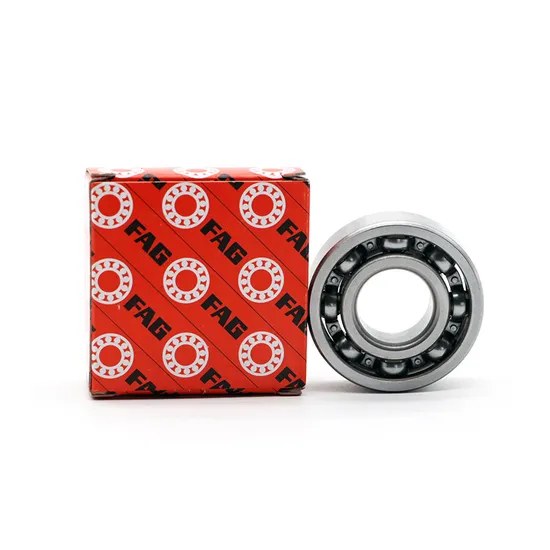
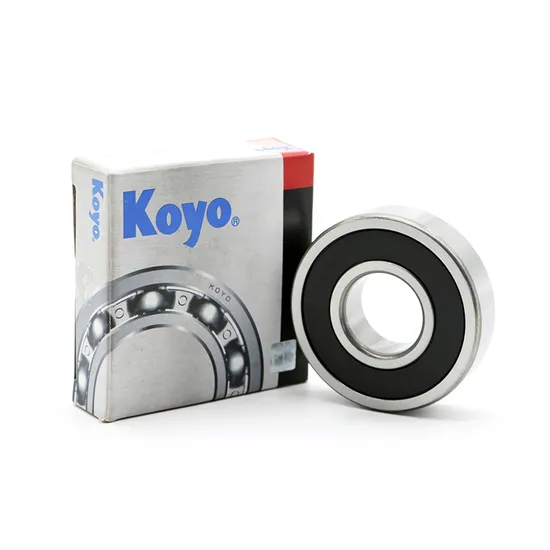
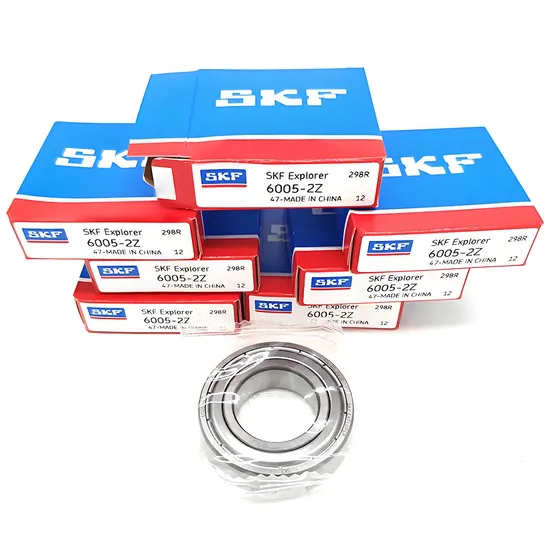
- Inspect Packaging: Genuine bearings come in high-quality packaging with clear branding and labeling.
By taking these steps, you can protect your investment and ensure the longevity of your equipment. When you are involved in Steel Mill Roll Neck Bearing Sourcing Uzbekistan, do not compromise on quality. The cost of a genuine bearing is far less than the cost of a failure.
Conclusion
Reliability in steel production starts with verified components and compliant logistics.
Sourcing bearings for Uzbekistan’s steel mills is a technical and logistical challenge that requires attention to detail. From selecting the correct internal clearance to ensuring proper customs documentation, every step matters. By prioritizing genuine quality and working with experienced partners, you can minimize downtime and maximize productivity. This approach transforms Steel Mill Roll Neck Bearing Sourcing Uzbekistan from a procurement task into a strategic advantage for your operation.