KOYO to SKF Bearing Cross-Reference Wholesale Supplier Guide
Matching dimensions alone will get your shipment rejected at the port.
KOYO to SKF bearing interchange is viable only when you verify three parameters beyond size: cage material compatibility, internal clearance grade mapping, and origin traceability. A dimension match does not guarantee operational compatibility.
I still remember a shipment of deep groove ball bearings headed to a Mexican maintenance workshop. The buyer sent me a KOYO part number and asked for the SKF equivalent. I ran the cross-reference, confirmed the bore, OD, and width, and shipped. Weeks later, the buyer’s technician called back—the cage material on the SKF units did not match the original machine specification, and the entire batch sat in their warehouse. That mistake cost us a full return cycle and taught me that a KOYO to SKF bearing equivalent chart is only the starting point, not the finish line. Since then, I have built cross-reference verification into every order workflow, checking cage suffixes, clearance codes, and laser markings before a single carton leaves the floor. [NEED_CITE: bearing interchange compatibility factors per ISO 15 and ABMA standards]
Let me walk you through what actually matters when you source a KOYO to SKF bearing cross-reference wholesale supplier for replacement projects.
Can KOYO and SKF Bearings Be Directly Interchanged?
Dimensional interchangeability does not equal operational interchangeability. The outer dimensions of most standard bearing types follow ISO 15, which means a KOYO 6206 and an SKF 6206 share the same bore, outer diameter, and width. [NEED_CITE: ISO 15 radial bearing boundary dimensions standard] But what sits inside those dimensions—the cage design, the internal clearance, the raceway profile, and the lubricant fill—can differ enough to cause premature failure in demanding applications.
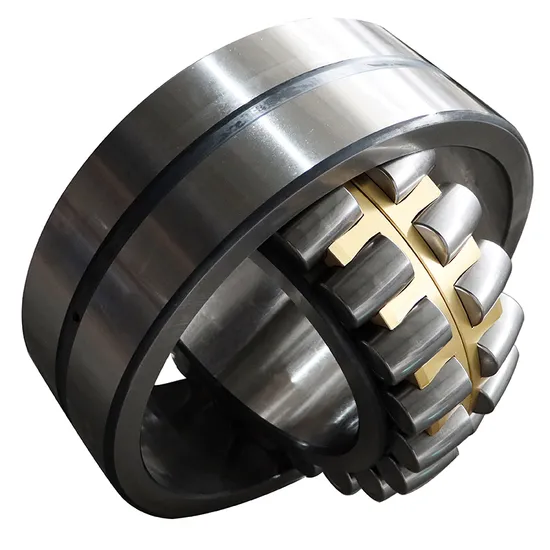
A European paper mill operator once replaced a set of KOYO spherical roller bearings with SKF units based purely on a size chart. The bearings seized within weeks. The root cause was not the dimensions—it was the cage material. The original KOYO units used a steel cage rated for high-vibration environments, while the SKF replacement came with a different cage design that could not handle the same load spectrum. [NEED_CITE: cage material selection criteria for spherical roller bearings per manufacturer engineering manuals]
When you request a KOYO to SKF bearing equivalent, the supplier must confirm three things before quoting:
- Cage material and design suffix alignment between the two brands
- Internal clearance grade mapping from the KOYO code to the SKF code
- Origin and authenticity verification of the replacement units
Skip any one of these, and you risk exactly the kind of warehouse rejection I described above.
KOYO to SKF Cross-Reference Matrix: Popular Models Decoded
A cross-reference chart without suffix breakdown is a trap waiting to happen. Below is a working matrix covering the models I encounter most often in wholesale inquiries. Notice how the basic numbers align, but the suffix options diverge significantly between brands.
| KOYO Model | SKF Equivalent | Bore × OD × Width | Cage Suffix KOYO | Cage Suffix SKF | Default Clearance KOYO | Default Clearance SKF |
|---|---|---|---|---|---|---|
| 6206 | 6206 | 30 × 62 × 16 mm | CP (steel) / CJ (polyamide) | P (steel) / TN9 (polyamide) | CN | CN |
| 6305 | 6305 | 25 × 62 × 17 mm | CP / CJ | P / TN9 | CN | CN |
| 22320 | 22320 | 100 × 215 × 68 mm | CP (steel) / CA (brass) | J (steel) / CCK (brass) | C3 | CN |
| 32218 | 32218 | 90 × 160 × 42.5 mm | CP | P | CN | CN |
| 30206 | 30206 | 30 × 62 × 17.25 mm | CP | P | CN | CN |
[NEED_CITE: KOYO and SKF bearing suffix code interpretation guides from official technical documentation]
A few critical observations from this matrix:
The 22320 spherical roller bearing is the most dangerous interchange in the table. KOYO ships this model with C3 clearance as default, while SKF ships it with CN. If you order an SKF 22320 without specifying C3, the bearing will run with tighter internal clearance than the machine was designed for—especially problematic in high-temperature environments like a Middle East steel mill where thermal expansion is already a factor. [NEED_CITE: internal clearance selection for spherical roller bearings in high-temperature applications]
Cage suffixes do not translate one-to-one. KOYO’s "CP" (steel pressed cage) maps to SKF’s "P" or "J" depending on the bearing series. KOYO’s "CA" (machined brass cage) maps to SKF’s "CCK" in some series but not all. Ordering the wrong cage variant affects maximum operating speed, lubricant compatibility, and vibration tolerance.
When you approach a KOYO to SKF bearing cross-reference wholesale supplier, send the full KOYO part number including every suffix. A bare "6206" or "22320" tells the supplier nothing about which variant you actually need.
Cage Material and Clearance: The Two Interchange Traps That Cause Returns
Cage material and clearance grade are responsible for the majority of cross-brand bearing returns—not dimensional errors.
Let me break down why each one matters.
Cage Material: More Than Just a Holder
The cage keeps rolling elements evenly spaced. But different cage materials behave very differently under load, speed, and temperature:
- Steel cages handle high radial loads and vibration well. Common in industrial gearboxes and vibrating screens.
- Brass cages offer excellent high-speed performance and heat dissipation. Preferred in machine tool spindles.
- Polyamide cages are lightweight and reduce friction but have strict temperature ceilings. Unsuitable for kiln or furnace applications.
A South American mining operation ordered SKF replacements for KOYO tapered roller bearings on conveyor pulleys. The KOYO originals had steel cages. The SKF units arrived with polyamide cages because the buyer’s purchase order listed only the base model number. The polyamide cages degraded within months under the combination of shock loading and ambient heat. [NEED_CITE: polyamide cage temperature limits and load restrictions per bearing engineering specifications]
Clearance Grade: The Silent Mismatch
Internal clearance determines how much the bearing can expand under operating temperature before internal preload builds up. Here is the cross-brand mapping you need:
| KOYO Code | SKF Code | Application Context |
|---|---|---|
| C2 | C2 | Tight clearance, precision machine tools |
| CN | CN | Standard general industrial use |
| C3 | C3 | Elevated temperature, moderate speed |
| C4 | C4 | High temperature, high speed |
[NEED_CITE: radial internal clearance class definitions per ISO 5753]
The trap is that KOYO and SKF do not always use the same default clearance for the same model. As noted in the matrix above, the 22320 is a prime example. A West African cement plant received a batch of SKF 22320 CN units when their equipment called for C3. The bearings ran hot, the lubricant broke down, and the plant faced an unplanned shutdown. The clearance difference of a few microns was enough to destroy the oil film.
When you work with a KOYO to SKF bearing cross-reference wholesale supplier, insist that the quotation confirms both the cage suffix and the clearance code match your original specification—or explicitly states the substitution and the engineering rationale behind it.
How to Verify SKF Replacement Authenticity and Origin
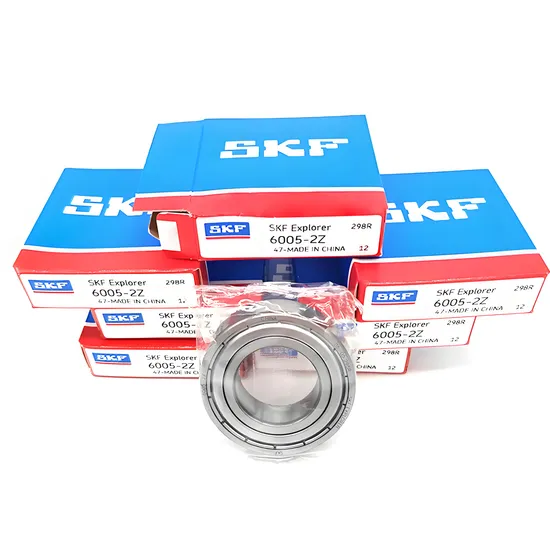
A correct part number means nothing if the bearing is counterfeit or from an unauthorized source. Counterfeit bearings are a documented problem in the global market, and SKF units are among the most frequently faked. [NEED_CITE: counterfeit bearing prevalence data from industry anti-counterfeiting reports]
Here is what I check on every SKF shipment before it leaves our facility:
Laser Marking Position and Quality
Genuine SKF bearings have specific laser marking patterns that vary by product series. The marking includes the brand logo, part number, production code, and country of origin. The font, spacing, and position are controlled. Counterfeit units often have markings that are etched rather than laser-engraved, or the font does not match SKF’s official specification. [NEED_CITE: SKF anti-counterfeiting marking verification guidelines]
Packaging and Documentation
Authentic SKF packaging includes holographic seals, batch traceability codes, and consistent print quality. The box label must match the bearing marking exactly. I have seen counterfeit shipments where the box said one part number and the bearing inside was stamped with a different one.
Authorization Chain
A legitimate KOYO to SKF bearing cross-reference wholesale supplier must be able to provide documentation tracing the bearing back to an SKF-authorized distribution channel. This includes a certificate of origin and a dealer authorization letter. A buyer in North Africa once received SKF bearings from an online source at a price well below market. When the end user requested authorization documentation, the supplier could not provide it. The entire shipment was quarantined. [NEED_CITE: SKF authorized distributor verification process and documentation requirements]
When you source through a verified channel, the authorization chain is part of the standard documentation package. When you source from an unknown trader, you are gambling with your machine’s reliability.
What Documents to Request Before Placing Your Order
Never place a cross-brand bearing order without written confirmation of three documents.
-
Certificate of Origin — Confirms the manufacturing country and validates the supply chain. Required for customs clearance in most importing countries and essential for warranty claims.
-
Authorized Distributor Certificate — Proves the supplier has a direct or tier-one relationship with the brand manufacturer. Without this, you have no guarantee the bearings are genuine.
-
Model Cross-Reference Confirmation Letter — A written statement from the supplier confirming that the proposed SKF equivalent matches your KOYO original in all critical parameters: dimensions, cage material, clearance grade, seal type, and lubricant fill. This document protects you if a mismatch causes a field failure.
[NEED_CITE: bearing procurement documentation requirements for industrial end users]
A Middle East infrastructure contractor learned this the hard way. They ordered SKF replacements for KOYO bearings on a bridge construction project without requesting a cross-reference confirmation letter. The bearings arrived with the wrong seal type—open instead of sealed—and the project faced a delay while replacement units were sourced. The cost of the delay far exceeded the value of the bearings themselves.
A reliable KOYO to SKF bearing cross-reference wholesale supplier will provide all three documents proactively. If a supplier hesitates or says these are unnecessary, that is your signal to look elsewhere.
Conclusion
Dimension matching is the easy part of KOYO to SKF bearing interchange—cage material, clearance grade, and origin verification are what separate a successful replacement from a costly failure. Always send the full part number with suffixes, confirm the cross-reference in writing, and demand authorization documentation before shipment. A qualified KOYO to SKF bearing cross-reference wholesale supplier will treat these steps as standard practice, not as special requests.