
How Paper Mills Buyers Deploy Self-Aligning Ball Bearing
Self-aligning does not mean self-installing.
Successful deployment of a self-aligning ball bearing in paper mills relies less on the bearing design itself and more on precise shaft condition verification and contamination control during installation. Ignoring shaft tolerance deviations or using standard grease in high-humidity wet-end environments will cause premature failure regardless of brand quality.
I used to stare at bills of lading and commercial invoices in Qingdao, checking container numbers against packing lists. The paperwork was always perfect. But when I started visiting clients in Latin America, specifically in the pulp and paper sectors of Brazil and Chile, I realized that a perfect invoice does not guarantee a running machine. I remember flying to a facility near São Paulo after a client reported catastrophic inner ring creep on a new batch of bearings. The maintenance team had installed them exactly as they had for decades. The problem was not the bearing. The roller shafts had worn slightly out of roundness due to previous overloads. By forcing a new, tight-tolerance self-aligning ball bearing onto a degraded shaft, they created internal stress that no amount of alignment could fix. This experience shifted my focus from merely shipping boxes to understanding the mechanical reality of deployment. [NEED_CITE: common causes of bearing failure in rotating machinery per ISO 15243]
The gap between procurement specifications and field reality is where downtime happens. Buyers often view these components as simple commodities, but in the harsh environment of a paper mill, the deployment process determines whether you get months of service or years.
Why Do Bearings Fail Prematurely in Paper Mills?
Contamination and misalignment are the primary killers, not material fatigue.
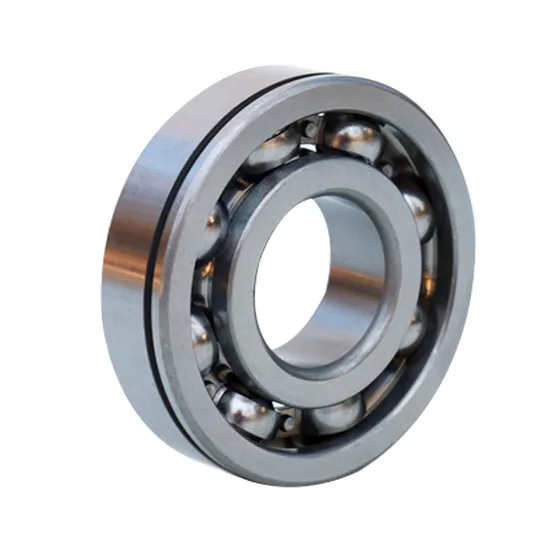
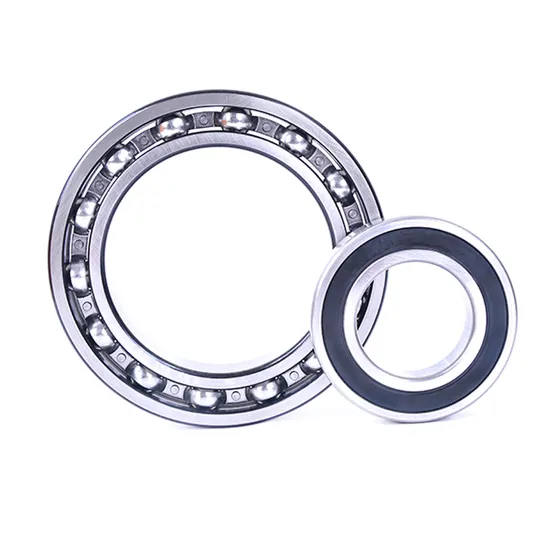
In the paper industry, the operating environment is hostile. Wet ends deal with water, steam, and chemical slurries, while dry ends face high temperatures and fine paper dust. A self-aligning ball bearing is designed to accommodate minor static misalignment, typically up to a few degrees, depending on the series. However, many buyers mistakenly believe this feature compensates for dynamic shaft deflection or poor installation practices. It does not. When a bearing is subjected to dynamic loads beyond its design limits due to a bent shaft or settling base frame, the internal geometry distorts. This leads to edge loading on the balls and raceways, causing rapid spalling.
Another critical factor is contamination. Paper slurry is abrasive. If seals are not selected correctly for the specific zone of the paper machine, particles enter the raceway. Once inside, they act like grinding paste. I have seen bearings in Mexican tissue factories fail because the base frame had settled unevenly over time. The resulting angular misalignment exceeded the self-alignment capacity of the unit. The bearing tried to compensate, but the constant correction generated excessive heat and wear. [NEED_CITE: effect of misalignment on bearing life expectancy]
Understanding these failure modes is essential before you even open the box. The bearing is only as good as the system it supports. If the housing is distorted or the shaft is contaminated, the best engineered self-aligning ball bearing will fail prematurely.
What Must Be Checked Before Installation?
Shaft condition and cleanliness are non-negotiable prerequisites.
Before mounting any self-aligning ball bearing, the shaft must be inspected rigorously. In my work with distributors in Chile, I emphasize that skipping this step is false economy. The shaft diameter must be measured at multiple points to check for taper and out-of-roundness. Even minor deviations can lead to improper fit. A loose fit causes creep, where the inner ring rotates on the shaft, generating heat and wearing both components. A tight fit can crack the inner ring during mounting or induce excessive preload.
Cleanliness is equally vital. Paper mills are dirty places, but the installation area must be a clean zone. Dust, metal chips, or moisture on the shaft surface will be pressed into the bearing interface during mounting. I recommend wiping the shaft with a lint-free cloth and a suitable solvent before heating the bearing. Additionally, verify the housing integrity. If the housing bore is damaged or out-of-spec, the outer ring cannot sit correctly, negating the self-aligning feature.
| Inspection Point | Acceptable Condition | Rejection Criteria |
|---|---|---|
| Shaft Surface Finish | Smooth, free of scratches | Visible pits, rust, or deep scratches |
| Shaft Roundness | Within standard tolerance limits | Measurable ovality or taper |
| Housing Bore | Clean, undamaged | Burrs, corrosion, or deformation |
| Seal Fit | Tight, uniform gap | Gaps, tears, or incorrect seating |
[NEED_CITE: ISO standards for shaft and housing tolerances for rolling bearings]
When sourcing replacements, ensure you have the correct technical datasheets. Cross-brand equivalent consultation can help identify if a specific model offers better seal options for your wet-end application. A self-aligning ball bearing with enhanced sealing might cost slightly more initially but prevents the costly washout of lubricant.
Taking time to verify these parameters prevents the majority of early-life failures. It transforms the installation from a gamble into a controlled procedure.
How to Install Self-Aligning Bearings Correctly?
Proper heating and mounting techniques prevent internal damage.
Never hammer a self-aligning ball bearing onto a shaft. Impact loading damages the rolling elements and raceways instantly. The correct method involves heating the inner ring to expand it, allowing it to slide onto the shaft with minimal force. Use an induction heater or an oil bath, ensuring the temperature does not exceed the manufacturer’s limit, typically around 120°C for standard bearings. Excessive heat alters the metallurgy of the steel, reducing hardness and load capacity. [NEED_CITE: recommended mounting temperatures for rolling bearings]
Once heated, mount the bearing quickly and squarely. Ensure it seats fully against the shaft shoulder. Allow it to cool naturally; do not quench it with water or compressed air, as rapid cooling can cause cracking. After mounting, check the radial internal clearance. It should match the pre-installation measurement within acceptable limits. If the clearance has decreased significantly, the fit may be too tight, or the bearing was damaged during heating.
Lubrication during installation is critical. Apply a thin layer of compatible grease to the shaft and the bore of the inner ring to prevent fretting corrosion. For the bearing itself, follow the manufacturer’s guidelines for initial fill. In humid environments like those in Brazilian pulp mills, consider using a grease with higher viscosity and water-resistant additives. This creates a stronger barrier against moisture ingress.
Correct installation ensures that the self-aligning ball bearing functions as designed. It allows the inner ring to align with the outer ring, accommodating minor misalignments without inducing stress. This step is where precision meets practice.
Which Maintenance Practices Extend Service Life?
Monitoring and proactive relubrication are key to longevity.
Installation is just the beginning. In paper mills, continuous monitoring is essential. Vibration analysis and temperature monitoring can detect early signs of trouble. A sudden increase in vibration often indicates misalignment, imbalance, or developing defects. Temperature spikes suggest lubrication issues or excessive load. I advise setting baseline readings immediately after commissioning. Any significant deviation from these baselines warrants investigation.
Relubrication intervals must be adjusted for the environment. Standard intervals are often insufficient for the wet end of a paper machine. High humidity and water spray can wash out grease or degrade its properties. In such cases, reduce the relubrication cycle. Use greases specifically formulated for wet conditions. Ensure that the relief port is open during greasing to allow old, contaminated grease to escape. If old grease remains, it mixes with new grease, reducing effectiveness and potentially blocking the flow.
Seal inspection is also part of routine maintenance. Check for signs of wear, tearing, or displacement. Damaged seals allow contaminants to enter and lubricant to escape. Replace seals promptly if any defects are found. In some cases, upgrading to more robust seal designs can extend the life of the self-aligning ball bearing significantly.
Proactive maintenance transforms reactive repairs into planned interventions. It extends the service life of the self-aligning ball bearing and reduces unplanned downtime. This approach saves money and keeps production lines running smoothly.
Conclusion
Deployment precision dictates bearing performance.
The longevity of a self-aligning ball bearing in a paper mill is determined by the care taken during installation and maintenance. Verifying shaft conditions, controlling contamination, using proper mounting techniques, and adapting lubrication strategies to the environment are critical steps. These practices ensure that the bearing performs as intended, accommodating misalignment and resisting harsh conditions. By focusing on these details, buyers and maintenance teams can maximize equipment reliability and minimize costly downtime.