
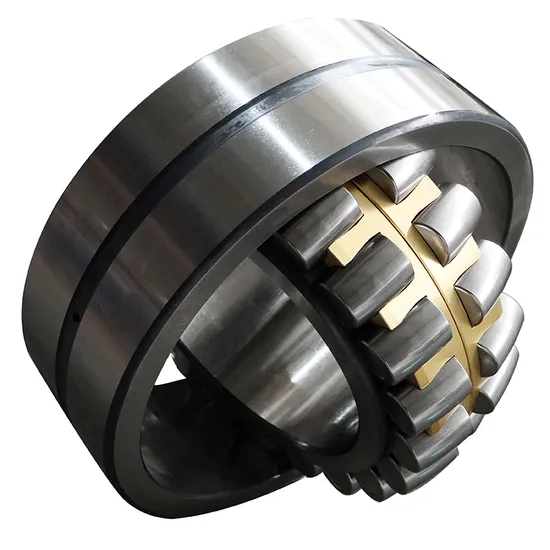
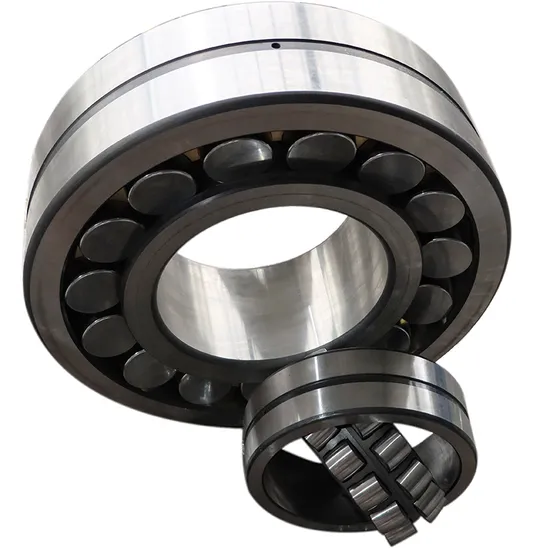
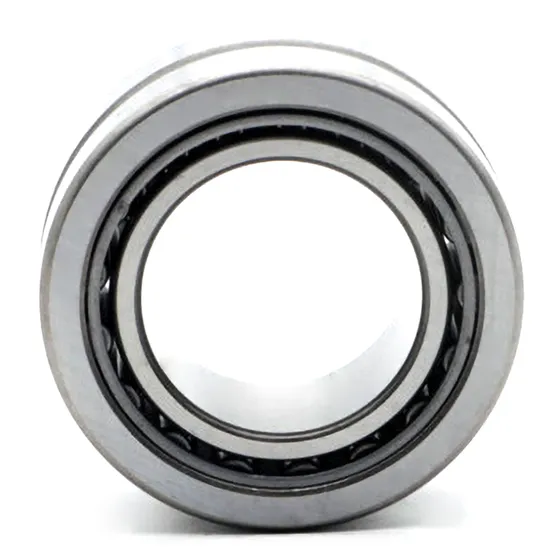
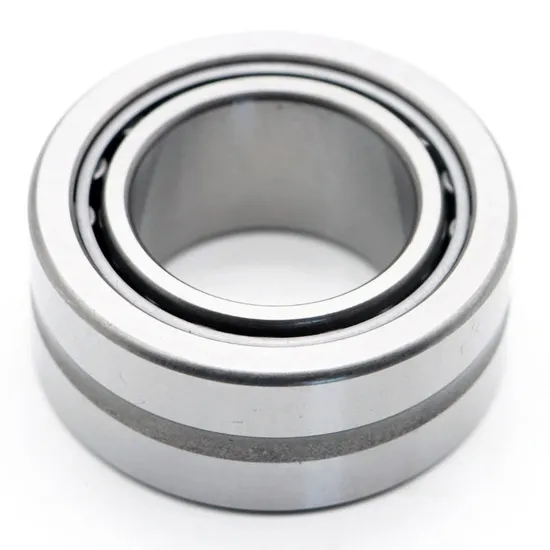
Thrust Ball Bearing Bulk Wholesale Return Policy
A broken seal on a thrust ball bearing package is not a minor packaging issue; it is a total loss of asset value.
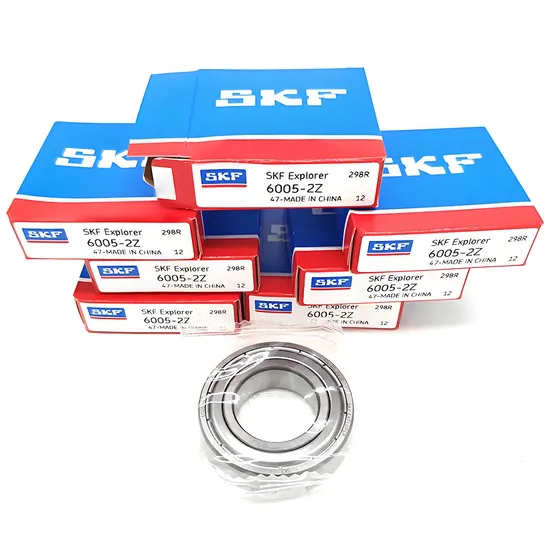
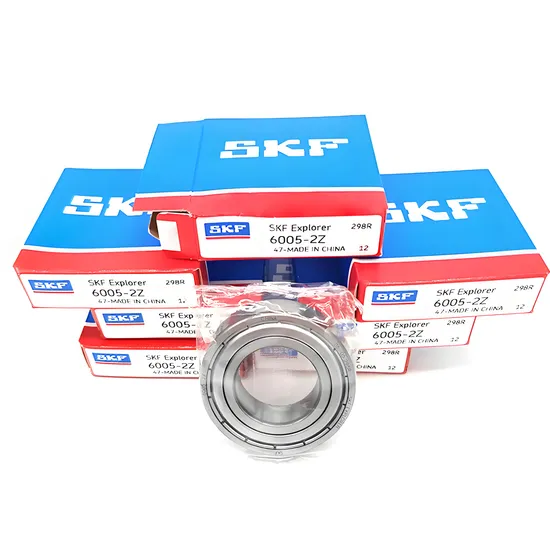
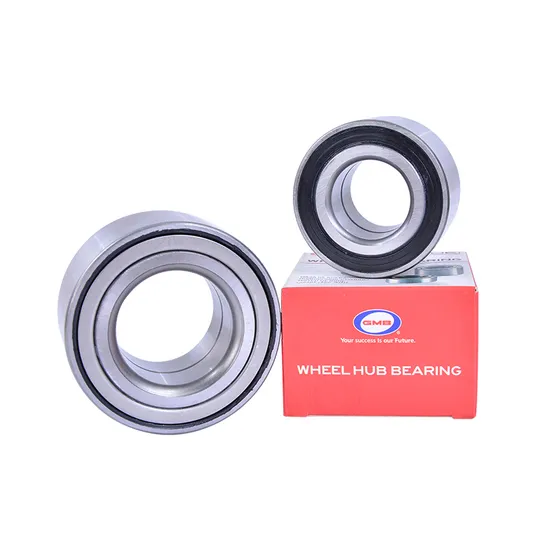
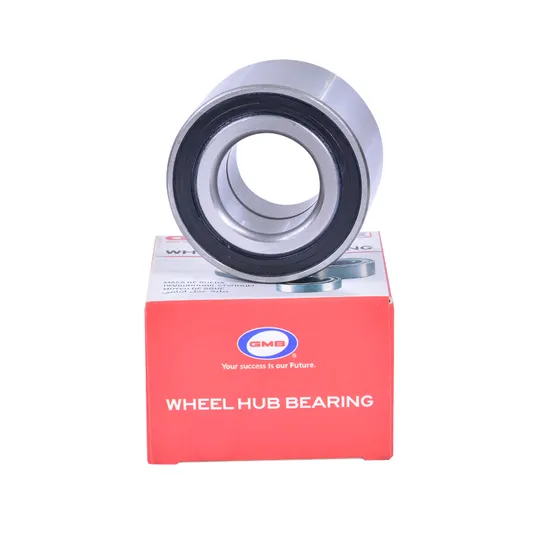
Wholesale returns for thrust ball bearings are strictly limited to units that remain in unopened, original factory packaging within a short inspection window. Custom-made or mounted units are non-returnable to protect inventory integrity and prevent the circulation of compromised precision components.
The misconception that industrial components follow consumer retail return logic is the single largest source of friction in B2B procurement. I recall standing on the damp concrete of Qingdao Port, watching a container of thrust ball bearings sit idle while a dispute unfolded over a model mismatch. The buyer, a distributor in West Africa, had ordered based on outdated equipment specifications. When the cargo arrived, the dimensions did not match their legacy machinery. They demanded a full return. However, the cost of shipping the heavy steel components back, combined with port demurrage fees, exceeded the value of the goods themselves. More critically, once those boxes had been opened and handled in a humid port environment, the anti-rust protection was compromised. Returning them to stock would have meant selling potentially corroded precision parts to another client. That incident forced a complete restructuring of how we handle the thrust ball bearing return policy wholesale framework. It became clear that clarity before payment is far cheaper than negotiation after arrival. [NEED_CITE: impact of humidity on bearing storage and corrosion rates]
This strict stance is not about avoiding responsibility. It is about maintaining the technical integrity of the supply chain. Bearings are not simple hardware; they are precision instruments where microscopic deviations matter. Understanding the boundaries of this policy helps buyers plan their procurement strategy more effectively, ensuring that every order placed is accurate and every claim made is valid.
Why Are Wholesale Bearing Returns So Strict?
The core reason lies in the nature of the product itself. A thrust ball bearing is designed to handle axial loads in high-precision applications. Its performance depends on surface finishes measured in microns and internal clearances defined by international standards. Once a unit leaves the controlled environment of the manufacturer’s facility, its value is tied entirely to its pristine condition.
Many buyers assume that "defective" means visible damage, such as a dent or a crack. In reality, a bearing can look perfect to the naked eye but fail immediately upon installation due to internal contamination or subtle raceway deformation caused by improper handling. [NEED_CITE: ISO 15243 failure classification codes] If a buyer opens a box, inspects the bearing, and then decides it is the wrong size, that unit can no longer be sold as new. The exposure to air, dust, and human touch removes the guarantee of its original state.
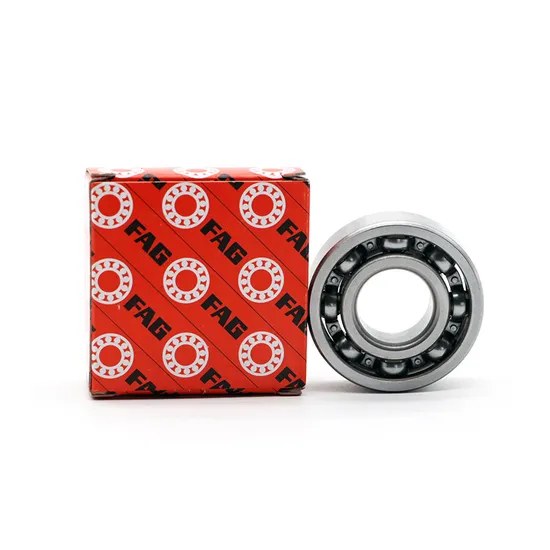
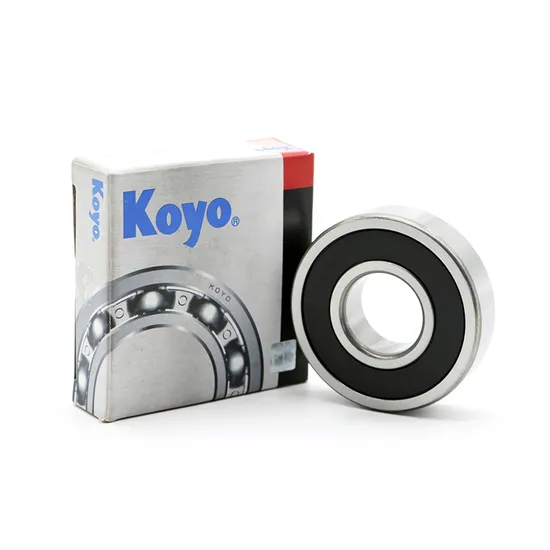
This is why the thrust ball bearing return policy wholesale terms are so rigid regarding packaging. We are not just protecting our inventory; we are protecting the next engineer who relies on that component for critical machinery. A returned, opened bearing introduces an unknown variable into the supply chain. For a global supplier dealing with thousands of SKUs from brands like SKF, FAG, and NSK, maintaining traceability and quality assurance is impossible if used or opened items are mixed back into stock.
Consider the case of a mining operator in South America who reported noise issues in a batch of spherical roller bearings. Upon investigation, it was found that the bearings had been stored in an open warehouse before installation, allowing dust to enter the seals. The claim was not a manufacturing defect but a handling issue. Without a strict policy that distinguishes between manufacturing errors and environmental damage, suppliers would bear the cost of buyer-side logistical failures. This distinction is crucial for keeping costs down for all clients. [NEED_CITE: best practices for industrial bearing storage and handling]
What Qualifies as a Valid Return Request?
Not every dissatisfaction leads to a return. To maintain fairness and operational efficiency, valid return requests must meet specific criteria. These criteria are designed to filter out subjective preferences and focus on objective manufacturing defects.
First, the packaging must be intact. The original factory seal is the primary evidence that the product has not been tampered with. If the plastic wrap is torn or the box is crushed, the request is typically rejected unless there is clear evidence of transit damage covered by insurance. Second, the request must be made within a defined inspection window. This period allows buyers to verify quantities and part numbers without holding inventory indefinitely. Third, there must be documented evidence of a defect. This is not a visual inspection but a technical verification.
| Criterion | Valid for Return | Invalid for Return |
|---|---|---|
| Packaging Status | Unopened, original factory seal intact | Seal broken, box opened, or repackaged |
| Reason for Return | Documented manufacturing defect (e.g., dimensional error per ISO) | Change of mind, ordering error, or project cancellation |
| Timeframe | Within the specified inspection window post-receipt | After the inspection window has expired |
| Documentation | Technical report, photos of batch numbers, third-party lab results | Verbal claim or simple photo without technical data |
A common scenario involves a buyer ordering a standard thrust ball bearing but realizing later that they needed a caged version. Since the product itself is not defective, this does not qualify for a return under the standard policy. However, some suppliers may offer a restocking fee option for unopened standard stock, though this is not guaranteed. The key is to understand that the thrust ball bearing return policy wholesale is primarily a safety net for quality issues, not a flexibility tool for planning errors.
For example, a European distributor once ordered a large batch of angular contact bearings. Upon arrival, they realized the preload specification was not suitable for their application. Because the boxes were still sealed, we were able to negotiate a partial exchange, but this was an exception based on long-term relationship trust, not a standard right. Buyers should never assume such flexibility exists. [NEED_CITE: industry standards for bearing preload and selection]
How Do We Handle Custom or Modified Orders?
Customization is where the return policy becomes absolute. In the world of industrial machinery, off-the-shelf components do not always fit. Engineers often require thrust ball bearings with non-standard dimensions, special materials, or unique cage designs. These items are produced specifically for one client’s application.
Once production starts on a custom SKU, the material is allocated, and the machining processes are set. There is no secondary market for a bearing with unique inner and outer diameters. Therefore, custom orders are strictly non-returnable. This is not a negotiation point; it is a fundamental aspect of made-to-order manufacturing.
I remember a machine builder in Southeast Asia who ordered a set of thrust bearings with a modified bore size. Halfway through production, their design team changed the shaft diameter. They asked to cancel the order. Since the raw steel had already been cut and machined, the cost was sunk. We had to explain that the thrust ball bearing return policy wholesale does not cover custom items because they have zero resale value. The client had to absorb the cost, which was a hard lesson but a necessary one for their future procurement planning.
This rule also applies to mounted units. If a bearing is pressed onto a shaft or housed in a custom assembly, it cannot be returned. The mounting process alters the stress state of the bearing and often causes minor marks that are invisible but significant. Accepting such returns would compromise the quality of our entire stock. [NEED_CITE: effects of mounting and dismounting on bearing integrity]
Buyers must ensure that all technical drawings and specifications are verified before placing custom orders. Requesting samples for standard equivalents can help mitigate risk, but for truly unique parts, the commitment is final. This strictness ensures that suppliers can continue to offer competitive pricing on custom work without inflating prices to cover potential waste.
What Is the Step-by-Step Claims Process?
When a genuine defect is suspected, following the correct claims process is essential for a swift resolution. Randomly shipping back goods without prior approval will result in rejection and additional costs for the buyer. The process is designed to verify the issue technically before any physical movement of goods occurs.
- Immediate Notification: Contact the supplier within the inspection window. Provide the purchase order number and batch numbers from the packaging.
- Documentation Submission: Submit high-resolution photos of the packaging, the bearing labels, and any visible issues. For functional defects, a technical report is required. This report should include measurement data comparing the actual dimensions to the ISO tolerance class. [NEED_CITE: ISO tolerance classes for rolling bearings]
- Technical Review: Our engineering team reviews the data. In many cases, what appears to be a defect is actually an application issue. For instance, noise might be caused by misalignment rather than bearing quality. We provide technical guidance to rule out installation errors.
- Resolution Proposal: If a manufacturing defect is confirmed, we propose a replacement or credit. Note that replacements are often preferred over refunds to minimize administrative overhead and keep your operations running.
- Return Authorization: If a physical return is necessary, a Return Material Authorization (RMA) number is issued. Goods must be shipped according to specific packaging instructions to prevent further damage.
A key insight from our experience is that most claims are resolved via technical guidance rather than physical returns. A Middle East steel mill once reported premature failure in a batch of thrust bearings. Instead of returning them, we analyzed their lubrication regimen and found that the grease viscosity was too low for the operating temperature. By adjusting the maintenance protocol, they solved the problem without returning a single unit. This approach saves time and freight costs for both parties. [NEED_CITE: influence of lubrication viscosity on bearing life]
Understanding this process helps buyers see the thrust ball bearing return policy wholesale not as a barrier, but as a structured path to technical support. It ensures that real problems are fixed quickly while preventing unnecessary logistics for non-issues.
Conclusion
Clarity in return policies protects both the buyer’s investment and the supplier’s ability to deliver high-quality precision components.
The strict nature of the thrust ball bearing return policy wholesale is a reflection of the technical sensitivity of the product. By adhering to guidelines on packaging, inspection windows, and custom order finality, buyers can avoid costly disputes and ensure smooth operations. Focus on verifying specifications before ordering and maintaining the integrity of original packaging upon receipt. This proactive approach minimizes the need for returns and maximizes the reliability of your industrial supply chain.