
Italy Withdrawal Sleeve Customs Docs: Genuine Bearing Supplier
A valid Certificate of Origin is not enough if the shipper name does not match the commercial invoice exactly.
Clearing Italian-made withdrawal sleeves in Southeast Asia requires strict alignment between the Certificate of Origin, the commercial invoice shipper details, and brand authorization letters to prevent customs from suspecting origin washing or transshipment fraud. The core issue is rarely the product quality but the documentary chain of custody.
I still remember the humidity at Tanjung Priok port in Jakarta when a container sat idle for weeks. The cargo was high-value SKF withdrawal sleeves manufactured in Italy, accompanied by hydraulic nuts. The paperwork looked perfect at first glance: a European Certificate of Origin, a clean bill of lading, and standard packing lists. However, the local customs officer flagged a discrepancy that seemed minor to the untrained eye but critical to regulatory compliance. The Certificate of Origin listed the Italian factory as the exporter, while the commercial invoice was issued by a trading entity in Singapore. This mismatch triggered an immediate detention. The authorities suspected that the goods were not genuinely Italian but had been rerouted through a third country to alter their origin status, a practice known as origin washing. The storage fees accumulated rapidly, eventually exceeding the value of the bearings themselves. This incident highlighted a fundamental truth in industrial procurement: documentation integrity is as vital as physical product authenticity. [NEED_CITE: ASEAN Customs Handbook guidelines on document consistency]
Understanding why these delays happen requires looking beyond the basic import forms. It is about verifying the legal and logistical path the goods have taken from the manufacturing floor in Europe to the warehouse in Asia.
Why Do Italian Withdrawal Sleeves Get Stuck in SE Asian Customs?
Discrepancies in document chains trigger fraud alerts, not just tax checks.
Customs agencies in Southeast Asia, particularly in Indonesia, Vietnam, and Thailand, have tightened scrutiny on high-value European mechanical components. The primary reason for detention is not usually the classification of the item itself but the suspicion of trade circumvention. When importing precision bearing accessories, authorities look for signs that the declared origin is false. If the paperwork suggests the goods moved through a jurisdiction with different trade agreements or tariff rates without proper justification, the shipment is held for verification.
The concept of "origin washing" involves routing goods through a third country to change their official country of origin, often to benefit from lower tariffs or avoid anti-dumping duties. For Italian withdrawal sleeves, which are premium products, this risk is heightened because counterfeiters sometimes mix genuine parts with fake ones in transit hubs. Customs officers are trained to spot inconsistencies that suggest such mixing. A common red flag is when the exporter on the Certificate of Origin differs from the seller on the invoice. Even if both entities are part of the same corporate group, the lack of explicit documentation linking them can cause significant delays. [NEED_CITE: International Chamber of Commerce UCP600 rules on document consistency]
In my experience, the most frequent cause of delay is a simple administrative oversight rather than malicious intent. A trader might buy stock from a distributor in Germany who sourced it from Italy, and then resell it to a buyer in Malaysia. If the German trader issues the invoice but the Italian factory issues the Certificate of Origin, the names do not match. Without a clear paper trail showing the transfer of ownership and the unchanged nature of the goods, customs may assume the origin has been manipulated. This leads to requests for additional proof, such as mill certificates or direct confirmation from the manufacturer, which can take days or weeks to obtain.
To avoid this, buyers must ensure that every document tells the same story. The entity selling the goods must be clearly linked to the entity certifying their origin. This alignment is non-negotiable for smooth clearance.
The Critical "Three-Way Match" for Bearing Accessories
Aligning shipper, origin, and brand rights is non-negotiable for smooth clearance.
The most effective method to prevent customs detention is to enforce a "Three-Way Match" before the goods even leave the port of origin. This involves verifying that three key documents align perfectly in terms of entity names and addresses. These documents are the Commercial Invoice, the Certificate of Origin, and the Brand Authorization Letter.
The Commercial Invoice is the primary financial document. It lists the seller and the buyer. The Certificate of Origin proves where the goods were made. For Italian withdrawal sleeves, this should explicitly state Italy as the country of origin. The Brand Authorization Letter confirms that the seller has the right to export genuine branded products. If these three documents list different companies without a clear explanatory link, customs will raise questions.
| Document | Key Field to Verify | Acceptable Status | Risk Level if Mismatched |
|---|---|---|---|
| Commercial Invoice | Shipper/Exporter Name | Matches COO Issuer or Linked via Authorization | High |
| Certificate of Origin | Exporter/Consignor | Matches Invoice Shipper or Manufacturer | High |
| Brand Authorization | Authorized Entity | Matches Invoice Shipper | Medium |
For example, if a Singaporean trader buys from an Italian distributor and sells to an Indonesian client, the invoice will show the Singaporean trader. The Certificate of Origin might show the Italian distributor or the factory. To bridge this gap, a letter from the Italian entity authorizing the Singaporean trader to export the goods, or confirming the supply chain, is essential. Without this, the mismatch looks suspicious. [NEED_CITE: EU Certificate of Origin guidelines for re-export scenarios]
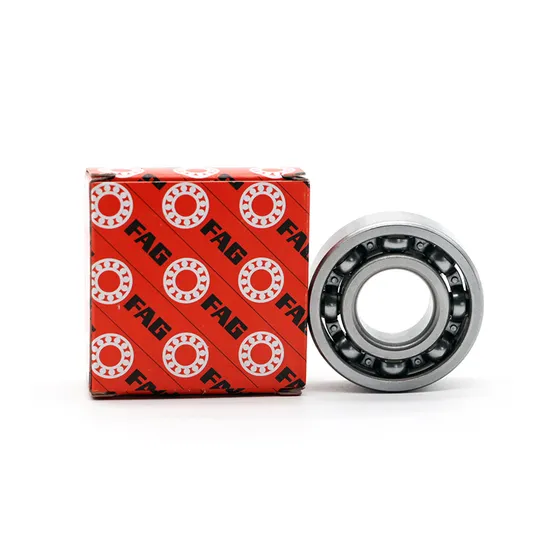
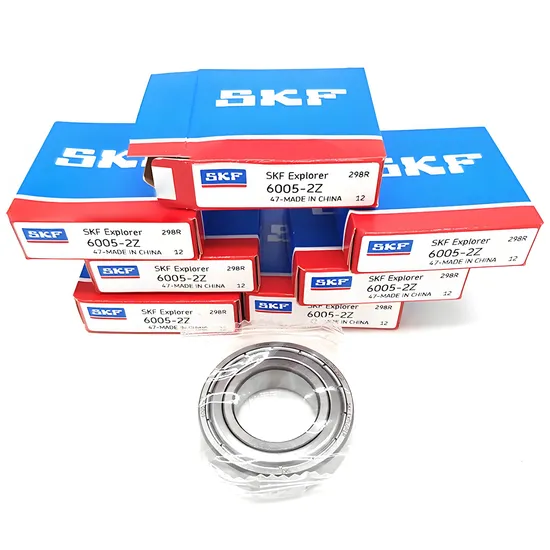
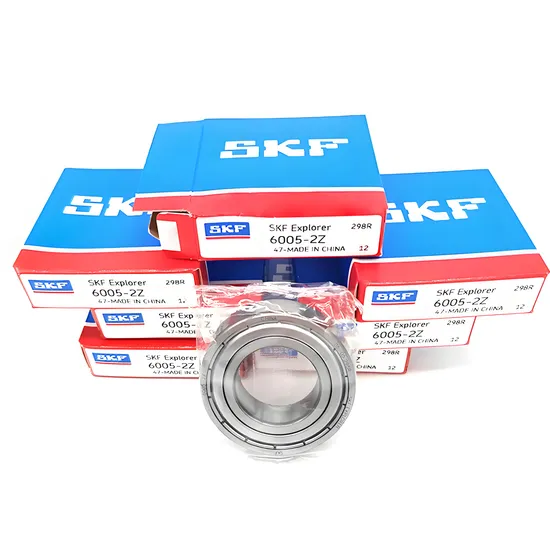
Brand authorization is another critical layer. Major bearing manufacturers like SKF and FAG have strict distribution networks. In many Southeast Asian countries, customs authorities require proof that the importer or the exporter is authorized to handle genuine brands. This prevents counterfeit goods from entering the market under the guise of legitimate trade. A missing or expired authorization letter can lead to fines or forced re-export of the cargo.
Ensuring this match requires proactive communication with suppliers. Buyers should request draft documents before shipment to verify consistency. This pre-shipment audit is far cheaper than dealing with port detention.
Common Documentation Errors in European Bearing Imports
Minor typos or missing legalization stamps cause weeks of delay.
Even when the major entities align, small errors can derail the clearance process. European documents often follow specific formatting standards that may differ from local expectations in Asia. One common error is the lack of proper legalization or apostille on the Certificate of Origin. Some countries require that the COO be certified by the local chamber of commerce and then legalized by the consulate of the destination country. Skipping this step can render the document invalid in the eyes of customs.
Another frequent issue is the description of goods. The HS Code for bearing accessories, including withdrawal sleeves, typically falls under 8483.90. However, if the invoice describes them vaguely as "steel parts" or "hardware," customs may reclassify them into a different category with higher duty rates or stricter inspection requirements. Precision matters. The description on the invoice must match the description on the packing list and the Bill of Lading exactly. [NEED_CITE: Harmonized System Explanatory Notes for heading 8483]
Typos in company names or addresses are also problematic. A single letter difference in the company name between the invoice and the COO can trigger a manual review. In one case, a buyer in Vietnam faced delays because the address on the COO listed the street name in Italian format, while the invoice used the English translation. Customs officers, unsure if they referred to the same location, held the goods for verification. Consistency in language and formatting across all documents is crucial.
Additionally, the weight and volume figures must be consistent. Discrepancies between the gross weight on the Bill of Lading and the packing list can suggest that the contents have been tampered with. For high-density items like bearings, even small differences in weight calculations can raise flags. Ensuring that all numerical data is derived from the same source measurement avoids this issue.
Attention to detail in document preparation is as important as the quality of the bearings themselves. A rigorous review process before shipment can eliminate these preventable errors.
How to Verify Supplier Documentation Before Shipment
Pre-shipment document audit prevents port-side emergencies.
The best time to fix documentation errors is before the goods are loaded onto the vessel. Buyers should implement a pre-shipment verification protocol. This involves requesting digital copies of all key documents from the supplier prior to final payment or shipment release. These documents include the draft Commercial Invoice, Packing List, Bill of Lading, Certificate of Origin, and any required Brand Authorization Letters.
Review these drafts against the purchase order and local customs requirements. Check for the "Three-Way Match" discussed earlier. Verify that the HS Codes are correct for the destination country. Ensure that the descriptions are precise and consistent. If the supplier is using a third-party logistics provider, confirm that the shipper details on the Bill of Lading align with the other documents.
For Italian withdrawal sleeves, specifically check the Certificate of Origin. Ensure it is issued by a recognized authority, such as the Chamber of Commerce in Italy. Verify that it specifies the correct manufacturing location. If the goods are being shipped from a hub like Singapore or Rotterdam, ensure there is a supporting document explaining the transit route and confirming that no substantial transformation occurred in the transit country. [NEED_CITE: World Customs Organization guidelines on substantial transformation]
If the supplier cannot provide consistent documentation, it may indicate deeper issues with their supply chain. They might be sourcing from unauthorized channels or mixing stock from different origins. In such cases, it is safer to pause the shipment and resolve the discrepancies. Working with a supplier who has a robust internal compliance team can significantly reduce this risk. Such suppliers understand the importance of document integrity and proactively manage the paperwork to meet international standards.
By treating documentation as a critical component of the product, buyers can ensure smoother imports and avoid costly delays.
Conclusion
Documentation accuracy is the key to unlocking smooth customs clearance for European bearing parts.
Clearing Italian withdrawal sleeves in Southeast Asia demands more than just a valid product; it requires a flawless paper trail. Aligning the shipper details, origin certificates, and brand authorizations prevents suspicions of fraud and ensures rapid release from customs. Buyers who prioritize document verification before shipment save time, money, and operational stress.