
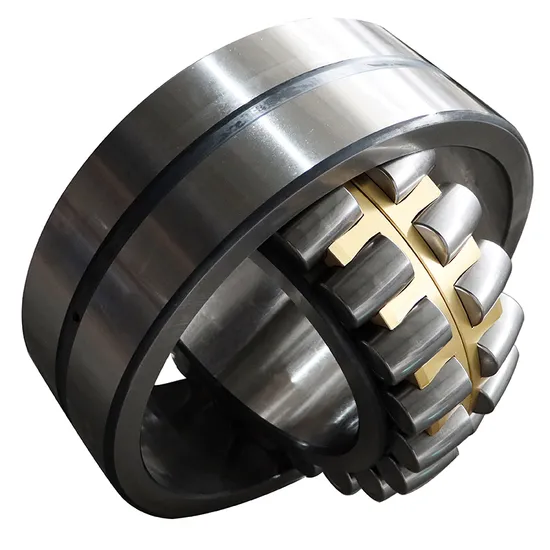
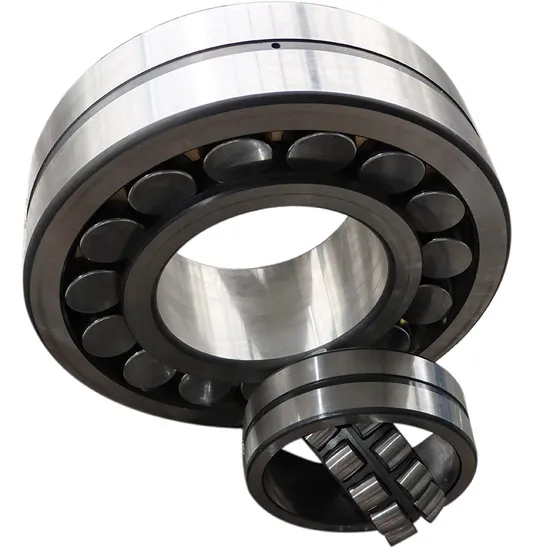
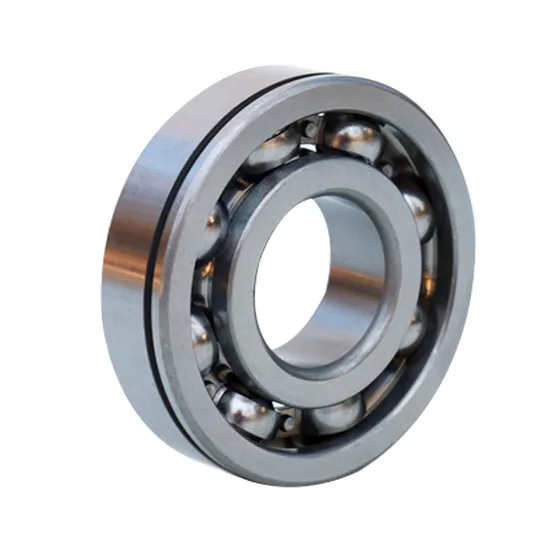
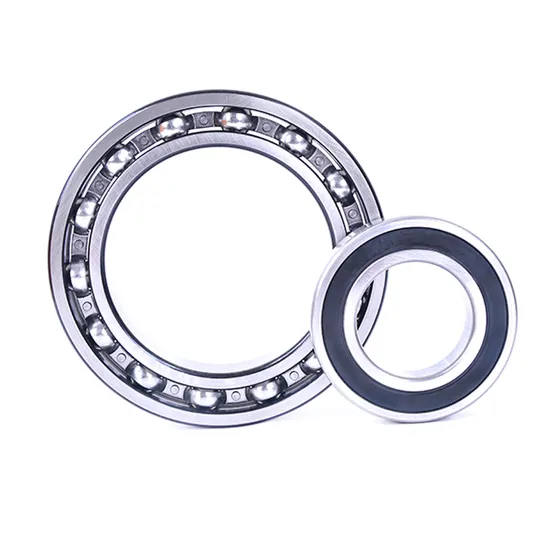
Angular Contact Ball Bearing Bulk Orders: Wholesale Supplier
Maximizing container volume often causes more damage than saving freight costs.
Efficient container loading for angular contact ball bearings requires balancing space utilization with strict protection against humidity and impact, while ensuring all documentation matches the physical cargo exactly to prevent customs detention in GCC countries.
Having spent years navigating the complexities of Jebel Ali Free Zone and managing shipments across the Middle East, I have seen how minor logistical oversights can derail entire supply chains. The perception that heavier loads equate to better value is a common misconception in bulk procurement. In reality, for precision components like angular contact ball bearings, maximizing volume efficiency with lightweight but bulky packaging is critical for maintaining product integrity during sea freight [NEED_CITE: ISO standards for packaging of rolling bearings]. This approach minimizes the risk of crushing and ensures that the bearings arrive in pristine condition, ready for immediate installation or resale.
Understanding the nuances of Angular Contact Ball Bearing Container Loading is not just about logistics; it is about protecting your investment and reputation. The following insights are drawn from real-world scenarios where attention to detail made the difference between a smooth clearance process and costly delays.
Why Does Container Loading Strategy Matter for Bearings?
Proper loading prevents physical damage and ensures cost-effective freight rates by optimizing space without compromising protection.
The primary goal of any loading strategy is to ensure that the bearings reach their destination in the same condition they left the factory. Angular contact ball bearings are precision-engineered components that are sensitive to shock and vibration. Improper stacking or inadequate securing within a container can lead to micro-movements that cause brinelling or raceway damage, which may not be visible until the bearing is installed and fails under load [NEED_CITE: failure modes associated with improper handling and transport].
A common mistake is to prioritize weight over volume. While it might seem logical to fill a container to its maximum weight capacity, this often leads to inefficient use of space and increased risk of damage. Bearings, especially when packaged in individual boxes and then cartons, occupy significant volume relative to their weight. By focusing on volume efficiency, you can fit more units into a container without exceeding weight limits, thereby reducing the average freight cost per unit.
Moreover, the method of loading directly impacts the ease of unloading and inspection at the destination. A well-planned loading sequence allows for easier access to specific batches, which is crucial for quality control checks and inventory management. This is particularly important for distributors who need to verify the authenticity and condition of goods upon arrival before distributing them to end-users.
In my experience, shipments that are loaded with a clear strategy in mind tend to have fewer issues during customs clearance and inspection. Customs officials are more likely to expedite the process if the cargo is neatly organized and easily accessible for verification. This reduces the time the container spends at the port, minimizing demurrage charges and accelerating the time to market.
How to Optimize Space for Mixed-Size Angular Contact Bearings?
Use tiered palletizing and fill voids with smaller MRO items to maximize container utilization while preventing damage.
Consolidating mixed-brand and mixed-size orders is a common practice for distributors looking to optimize their inventory and reduce shipping costs. However, this presents unique challenges in terms of loading and protection. Different sizes of angular contact ball bearings require different handling and stacking methods to prevent crushing and deformation.
One effective strategy is to use tiered palletizing. Larger, heavier bearings should be placed at the bottom of the pallet, while smaller, lighter ones are stacked on top. This creates a stable base and distributes the weight evenly, reducing the risk of collapse during transit. Additionally, using void fillers such as air bags or foam inserts can help secure the load and prevent movement within the container [NEED_CITE: best practices for securing cargo in intermodal containers].
Another key consideration is the use of smaller MRO items to fill empty spaces. Items such as seals, lubricants, and small hardware can be strategically placed in gaps between pallets or on top of the main cargo. This not only maximizes the use of available space but also provides additional cushioning for the bearings. However, care must be taken to ensure that these items do not shift during transit and cause damage to the bearings.
| Packing Strategy | Space Efficiency | Protection Level | Complexity |
|---|---|---|---|
| Single-Brand Uniform Pallets | Moderate | High | Low |
| Mixed-Size Tiered Pallets | High | Moderate | Medium |
| Void-Filled Consolidation | Very High | Variable | High |
A case in point involves a distributor in Riyadh who consolidated a 40HQ container with a mix of SKF and NSK angular contact ball bearings along with various domestic brands. By using a tiered palletizing approach and filling voids with smaller MRO items, they were able to increase the total number of units shipped by a noticeable margin compared to previous LCL shipments. This resulted in a significant reduction in average freight cost per unit, making the shipment more profitable despite the higher initial complexity.
It is also important to consider the weight distribution within the container. Uneven weight distribution can lead to structural damage to the container floor and make handling difficult at the port. Ensuring that the weight is evenly distributed across the floor of the container is essential for safe and efficient transport [NEED_CITE: guidelines for weight distribution in shipping containers].
What Documentation Is Critical for Middle East Clearance?
Ensure SABER registration and legalized CO match invoice details exactly to avoid delays.
Navigating customs clearance in the Middle East, particularly in Saudi Arabia and the UAE, requires meticulous attention to documentation. Even minor discrepancies between the physical cargo and the accompanying documents can lead to significant delays and additional costs. One of the most critical documents is the Certificate of Origin (CO), which must be legalized by the relevant chamber of commerce and embassy [NEED_CITE: requirements for Certificate of Origin legalization in GCC countries].
In Saudi Arabia, the SABER certification system is mandatory for many products, including bearings. Failure to obtain the necessary SABER certificates before shipment can result in the goods being held at customs until the issue is resolved. This can lead to delays of several weeks and incur substantial storage and demurrage charges. It is essential to verify the HS codes and ensure that all products are correctly registered in the SABER system before shipping.
Another common pitfall is the mismatch between the invoice amount and the letter of credit or other payment instruments. Even a small discrepancy, such as a difference of a few dollars, can cause the bank to reject the documents, leading to delays in payment and release of the goods. Therefore, it is crucial to double-check all financial documents for accuracy and consistency.
| Document | Requirement | Common Error | Consequence |
|---|---|---|---|
| Certificate of Origin | Legalized by Chamber & Embassy | Missing legalization stamp | Customs detention |
| SABER Certificate | Mandatory for KSA imports | Incorrect HS code | Shipment rejection |
| Commercial Invoice | Matches LC exactly | Minor amount discrepancy | Payment delay |
I recall a shipment destined for a mining client in Libya that was delayed because the Arabic labels on the packaging did not match the description on the invoice. Although the bearings themselves were correct, the inconsistency raised red flags with customs officials, leading to a thorough inspection and a delay of over a week. This could have been avoided by ensuring that all labeling and documentation were consistent and accurate before shipment.
To mitigate these risks, it is advisable to conduct a pre-shipment inspection of all documents. This includes verifying the HS codes, checking the legalization status of the CO, and ensuring that the invoice details match the letter of credit. By taking these proactive steps, you can minimize the risk of customs delays and ensure a smoother clearance process.
How to Protect Bearings from Humidity During Sea Freight?
Implement VCI packaging and desiccants to combat high-humidity ports like Jebel Ali.
Sea freight to ports in the Middle East, such as Jebel Ali in Dubai and Jed*midity and temperature fluctuations. These conditions can lead to corrosion and rust on bearing surfaces, even if they are packaged in standard export cartons. To prevent this, it is essential to use additional protective measures such as Vapor Corrosion Inhibitor (VCI) wrapping and desiccants [NEED_CITE: effectiveness of VCI packaging in marine environments].
VCI wrapping releases volatile compounds that form a protective layer on the metal surface, preventing moisture from coming into direct contact with the bearing. This is particularly important for angular contact ball bearings, which have precise surfaces that are susceptible to even minor corrosion. Desiccants, such as silica gel packets, can be placed inside the packaging to absorb any residual moisture and maintain a dry environment within the carton.
Standard export packing is often insufficient for long sea voyages to humid destinations. Many suppliers assume that a simple cardboard box is enough, but this can lead to significant claims for rust and corrosion upon arrival. By investing in proper humidity protection, you can reduce the claim rate to negligible levels and ensure customer satisfaction.
| Protection Method | Moisture Control | Cost Impact | Effectiveness |
|---|---|---|---|
| Standard Carton | None | Low | Vulnerable |
| VCI Wrapping | Active inhibition | Moderate | Resistant |
| VCI + Desiccants | Active + Absorption | Higher | Robust |
A recent shipment to a steel plant in Qatar demonstrated the importance of these measures. The bearings were packaged with VCI wrapping and desiccants, and upon arrival, they were found to be in perfect condition despite the high humidity at the port. In contrast, a previous shipment without these protections had suffered from noticeable surface rust, leading to a costly replacement order and damage to the supplier’s reputation.
It is also important to consider the storage conditions at the destination port. Containers sitting on the dock for extended periods are exposed to direct sunlight and rain, which can exacerbate humidity issues. Ensuring that the packaging is robust enough to withstand these conditions is crucial for maintaining the quality of the bearings until they are delivered to the end-user.
Conclusion
Precision in packing and paperwork protects your margin more than aggressive freight negotiation.
Successful importation of angular contact ball bearings into the Middle East hinges on meticulous attention to loading efficiency, documentation accuracy, and humidity protection. By adopting a strategic approach to Angular Contact Ball Bearing Container Loading, distributors can minimize risks and ensure timely delivery. The integration of VCI packaging, rigorous document verification, and optimized palletizing patterns forms the backbone of a reliable supply chain. These practices not only safeguard the physical integrity of the bearings but also streamline the customs clearance process, ultimately enhancing profitability and customer trust.