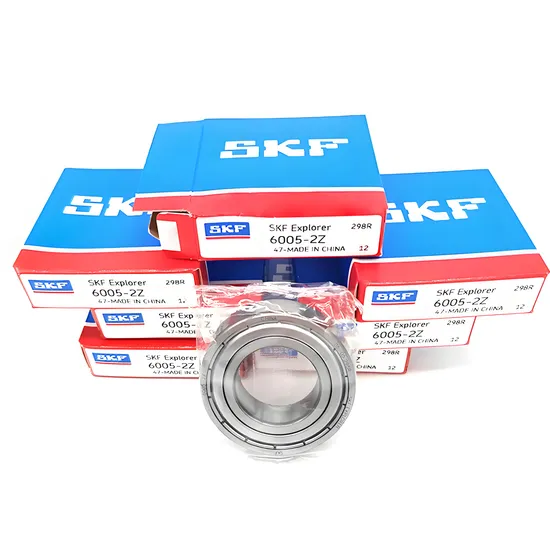
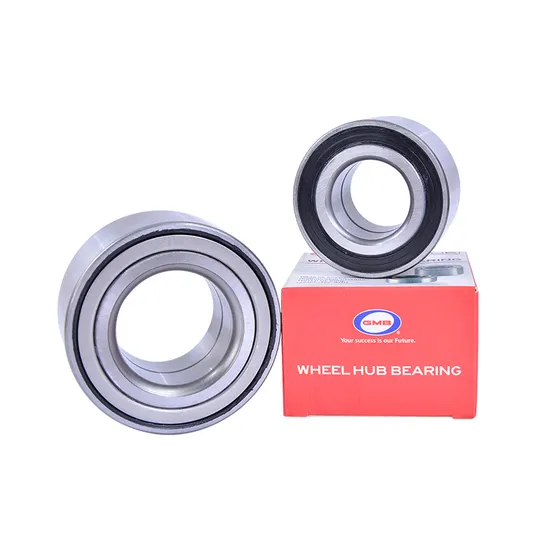
Buy Genuine KOYO & SKF Bearings for Japanese Machine Tool OEMs
A single counterfeit bearing can halt an entire CNC spindle line for days, and the damage often goes unnoticed until catastrophic failure.
For Japanese machine tool OEMs and maintenance teams, the only reliable path to genuine KOYO and SKF bearings is purchasing through authorized distributors who provide batch-level authenticity verification, verifiable country-of-origin documentation, and complete cross-reference interchange support across all major brands.
I still remember the morning call from a client in Ho Chi Minh City, their Japanese-built machining center sitting idle because a batch of KOYO 6206 bearings seized inside the spindle housing. The outer ring markings looked slightly off under magnification—the font was fuzzy, the cage riveting pattern didn’t match factory specs. Those were textbook counterfeits sourced from an unverified channel. The production line lost two full days, and the replacement cost ran several times what they originally "saved" by skipping authorized supply. That incident reshaped how I handle every bearing inquiry for Japanese OEM buyers: authenticity verification is not optional, it is the foundation of the entire procurement process. [NEED_CITE: counterfeit bearing failure rate distribution in industrial machinery per ISO 15243 damage classification]
When you source through verified channels, the risk of counterfeit infiltration drops to near zero, and your procurement team gains full traceability from factory origin to final installation. Let me walk you through the practical framework we use to protect Japanese machine tool operations from bearing fraud.
How Do You Verify KOYO and SKF Bearing Authenticity on Arrival?
Authenticity verification for KOYO and SKF bearings relies on three layered checks: packaging security features, physical marking precision, and digital traceability through manufacturer-authorized applications.
Counterfeiters have become sophisticated—they replicate boxes, replicate labels, and sometimes even replicate QR codes. But they consistently fail on micro-level details that authorized distributors and experienced inspectors catch routinely.
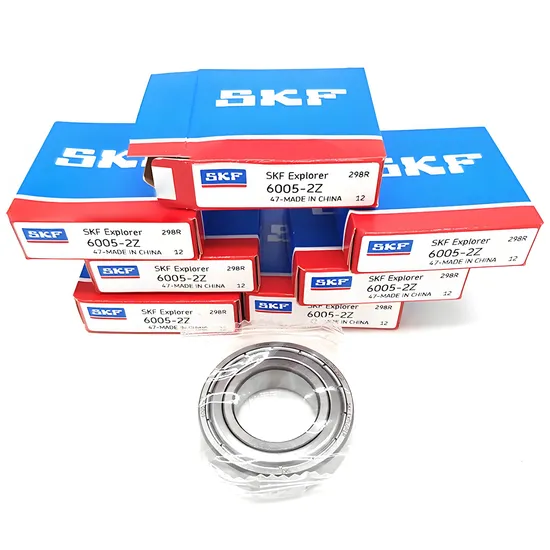
For SKF bearings, the manufacturer provides a dedicated authentication application that reads DMC (Direct Part Mark) codes laser-etched on genuine products. You scan the code, and the system immediately confirms whether the identifier exists in the manufacturer’s database and whether it has been scanned before. A first-time scan returning a valid match is a strong authenticity signal; a code that has already been scanned multiple times raises immediate red flags. [NEED_CITE: SKF anti-counterfeit verification app functionality and DMC code validation process]
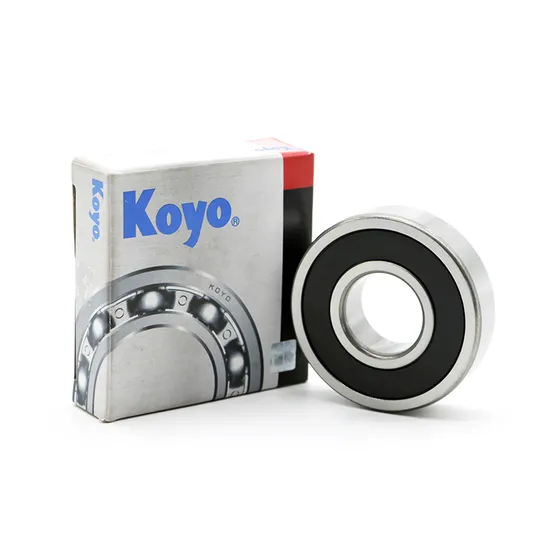
For KOYO bearings, now operating under the JTEKT brand umbrella, verification follows a similar principle. The packaging includes security seals and batch codes that can be cross-checked against authorized distribution records. Under magnification, genuine KOYO markings show crisp, deep-etched characters with consistent stroke width—counterfeit markings often appear shallow, uneven, or slightly blurred because they are applied after heat treatment rather than before. [NEED_CITE: JTEKT KOYO bearing packaging security features and batch traceability system]
Here is what a structured verification comparison looks like in practice:
| Verification Layer | Authorized Distributor Supply | Unverified Third-Party Supply | Counterfeit Product |
|---|---|---|---|
| Packaging Security Seal | Intact, verifiable serial | May be intact, unverifiable | Often missing or replicated poorly |
| Marking Font Precision | Crisp, deep-etched, consistent | Acceptable but slightly shallow | Blurred, uneven, post-treatment etching |
| Cage Riveting Pattern | Matches factory specification | Close but misaligned under inspection | Clearly wrong pattern or welding spots |
| Digital Code Validation | Passes manufacturer app check | May pass or fail unpredictably | Fails or shows multiple prior scans |
| Country-of-Origin Documentation | Full batch-level traceability | Partial or self-reported | Not provided or fabricated |
A European maintenance team once received a shipment of SKF deep groove ball bearings from an online marketplace at a price noticeably below market rate. The boxes looked correct at first glance. But under a loupe, the "S" in SKF showed the wrong stroke proportion, and the cage riveting had visible burrs. The digital code scan returned a warning: the identifier had already been queried dozens of times. The entire batch was rejected before a single bearing reached a machine housing.
The lesson is simple: if your supplier cannot walk you through batch-level verification and country-of-origin documentation before shipment, you are accepting uncontrolled risk.
What Cross-Reference Interchange Support Do Japanese OEMs Actually Need?
Japanese machine tool OEMs require complete cross-reference interchange across SKF, NSK, FAG, TIMKEN, NTN, and KOYO because original equipment specifications frequently shift based on availability, regional distribution, and application-specific performance requirements.
A spindle designer in Osaka may specify a KOYO angular contact bearing for a high-speed machining center. But if lead times stretch or regional stock depletes, the maintenance team needs to know immediately whether an SKF or NSK equivalent can substitute without compromising precision class, preload compatibility, or thermal stability. This is where cross-reference interchange becomes a operational necessity, not a convenience.
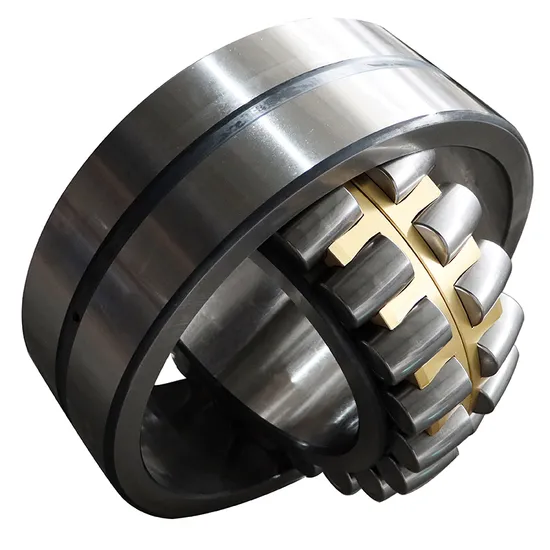
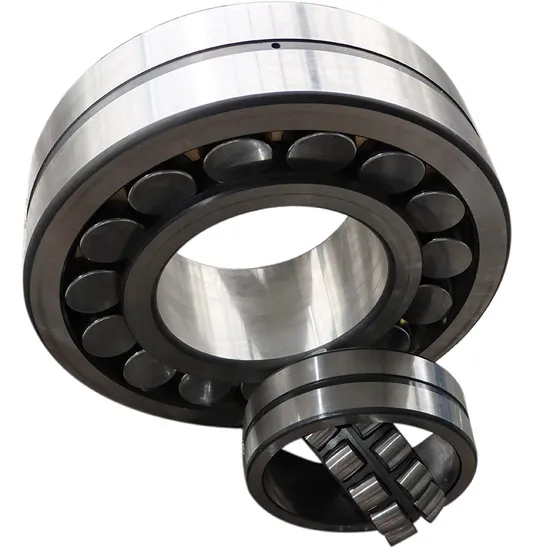
The interchange matrix covers all major bearing categories: deep groove ball bearings, tapered roller bearings, angular contact bearings, cylindrical roller bearings, spherical roller bearings, and thrust bearings. Popular models like the 6205, 6206, 6305, 22320, 32218, and 30218 series appear constantly in Japanese machine tool builds, and their cross-reference equivalents across the six major brands are well-documented—but only if you have access to verified interchange charts rather than guesswork. [NEED_CITE: bearing cross-reference interchange methodology across major global brands for industrial applications]
Consider a real scenario: a Japanese-built CNC lathe in a Southeast Asian factory was specified with KOYO 30206 tapered roller bearings in the gearbox. During a scheduled overhaul, the maintenance manager discovered that local KOYO stock was depleted for several weeks. The cross-reference check confirmed that an SKF equivalent matched the dimensional envelope, load rating, and precision class. The substitution was executed within days, and the gearbox returned to service without any performance deviation.
Without proper cross-reference support, that same team might have forced a non-equivalent bearing into the housing, leading to premature fatigue, misalignment, or thermal runaway. The cost of a wrong substitution in a precision machine tool spindle or gearbox is never just the bearing price—it is the downstream damage to shafts, housings, and production schedules.
The key is that cross-reference interchange must be validated against application parameters—speed, load, lubrication regime, and temperature—not just dimensional fit. A bearing that physically mounts correctly may still fail prematurely if its internal geometry or material specification does not match the original design intent.
How Do Authorized Distributor Channels Protect Against Counterfeit Infiltration?
Authorized distributor channels protect Japanese OEM buyers by maintaining direct supply lineage from manufacturer production facilities, implementing incoming inspection protocols, and providing full batch-level traceability documentation.
The bearing supply chain is fragmented. A single model may pass through three or four intermediaries before reaching an end user, and each handoff introduces contamination risk. Counterfeit bearings infiltrate the market precisely through these uncontrolled intermediary layers—often mixed into legitimate shipments, repackaged in reproduced boxes, or sold through online marketplaces with no verification infrastructure.
When you source through an authorized distributor, the supply chain is compressed and controlled. The distributor maintains direct purchasing agreements with the manufacturer or tier-one regional dealers, and every incoming batch is subject to inspection before it enters inventory. This is not just a paperwork exercise—it involves physical sampling, marking verification, and in many cases, digital code validation against manufacturer databases. [NEED_CITE: authorized bearing distributor supply chain integrity and anti-counterfeit inspection protocols]
A Middle East steel mill operator once sourced a batch of spherical roller bearings for a continuous caster roll through a local trader who offered a price significantly below authorized channel pricing. The bearings were installed, and within a few months, multiple roll positions experienced premature spalling and cage failure. Investigation revealed that the bearings were non-genuine—the internal geometry did not match manufacturer specifications, and the material hardness was inconsistent. The mill faced extended downtime, replacement costs, and damaged roll housings. The initial "savings" on the bearing purchase were dwarfed by the total operational loss.
After that incident, the mill switched entirely to authorized distributor sourcing for all critical bearing positions. Every shipment now arrives with full country-of-origin documentation, batch traceability codes, and verification reports. The procurement cost per bearing is higher, but the total cost of ownership—including downtime risk, replacement frequency, and collateral damage—dropped substantially.
The pattern is consistent across industries: buyers who prioritize unit price over supply chain integrity pay the difference later, often multiple times over. For Japanese machine tool OEMs whose reputation depends on spindle precision and production uptime, authorized distributor sourcing is the only defensible procurement strategy.
What Role Does Country-of-Origin Identification Play in Bearing Procurement Compliance?
Country-of-origin identification for KOYO and SKF bearings ensures compliance with import regulations, supports customs clearance accuracy, and provides an additional layer of authenticity verification for Japanese OEM procurement teams.
Bearing manufacturing is global. SKF operates production facilities across multiple continents, and KOYO (JTEKT) maintains a similar international footprint. A bearing specified as "genuine" may be manufactured in Sweden, Japan, China, or another country depending on the product line and batch. For import/export buyers, knowing the precise country of origin is essential for HS code classification, duty calculation, and regulatory compliance. [NEED_CITE: bearing country-of-origin identification requirements for international trade compliance and customs classification]
Beyond compliance, country-of-origin identification serves as a secondary authenticity check. If a supplier claims a bearing is genuine KOYO but cannot provide documentation confirming the manufacturing origin, or if the stated origin contradicts known manufacturer production locations for that product line, the procurement team has grounds to escalate verification before accepting the shipment.
A Latin American distributor once received a shipment of tapered roller bearings labeled with a specific country of origin that did not align with the manufacturer’s known production facilities for that model. The discrepancy triggered a deeper inspection, which revealed that the bearings were non-genuine. The shipment was rejected, and the supplier was removed from the approved vendor list.
For Japanese OEM buyers, country-of-origin documentation should accompany every bearing shipment—not as a bureaucratic formality, but as a verifiable link in the authenticity chain. When combined with batch-level traceability, digital code validation, and physical inspection, it completes the verification framework that protects precision machinery from counterfeit-induced failure.
Conclusion
Genuine KOYO and SKF bearing procurement for Japanese machine tool OEMs depends on authorized distributor sourcing, layered authenticity verification, complete cross-reference interchange, and full country-of-origin traceability. Counterfeit bearings infiltrate the supply chain through unverified intermediaries, and the operational consequences—spindle failure, production downtime, collateral damage—far outweigh any perceived unit price savings. Build your procurement framework on verifiable supply lineage, and the risk of counterfeit infiltration becomes negligible.