
SNL Housing Preventive Maintenance Schedule & Wholesale Supplier
More grease does not mean better protection; in many cases, it is the primary cause of premature seal failure and bearing overheating.
A generic maintenance schedule fails because it ignores specific operational variables. Effective preventive maintenance for SNL housings requires dynamic adjustment of grease type and volume based on actual load, speed, and contamination levels, rather than relying solely on manufacturer default tables. This approach minimizes unplanned downtime and optimizes spare part consumption for heavy industry operations.
I have stood on the dusty floors of Qingdao Port watching countless claims arrive from overseas clients, all pointing to the same root cause: lubrication mismatch. Early in my career, moving from assembly lines to international trade coordination, I handled bearing orders ranging from mining crushers to wind turbine gearboxes. The most frustrating inquiries were not about price, but about why a perfectly good bearing failed within months despite strict adherence to a printed maintenance plan. Clients would send over their preventive maintenance logs, proud of their discipline, yet unaware that the grease interval was calculated for a clean, moderate-temperature environment, not the harsh reality of their site. A cement plant client in Indonesia once followed a standard monthly greasing routine for a high-temperature fan application. The result was catastrophic thermal degradation of the standard lithium grease within three months, leading to a complete line shutdown and a mid-six-figure loss. The bearing was not defective; the maintenance strategy was static in a dynamic environment. This experience highlights why a tailored Preventive Maintenance Schedule for SNL Housing is critical for operational reliability.
Transitioning from rigid schedules to condition-based strategies requires understanding the interplay between housing design, bearing dynamics, and environmental stressors.
Why Standard PM Tables Fail in Real-World Operations?
Static maintenance tables ignore dynamic stressors such as heat buildup, vibration, and particulate contamination, leading to either under-lubrication or dangerous over-greasing.
Manufacturer manuals provide baseline intervals based on ideal laboratory conditions. However, industrial environments rarely match these ideals. The primary failure mode in SNL housings is not usually fatigue spalling from load, but lubrication breakdown due to external factors. [NEED_CITE: common failure modes in pillow block bearings per ISO 15243] When a maintenance team applies a "one-size-fits-all" interval, they risk two extremes. In high-contamination zones, the interval is too long, allowing water and dust to ingress. In high-speed or low-load applications, the interval is too frequent, causing churning and heat generation.
Consider a wet washdown environment in a food processing or chemical plant. Water ingress can wash out grease from sealed units rapidly. If the standard schedule suggests regreasing every six months, the bearing may run dry within weeks. Conversely, in a low-speed heavy-load crusher, frequent greasing without proper purging leads to excessive pressure inside the housing. This pressure can blow out seals, inviting more contaminants in, creating a vicious cycle of failure. The key is to view the Preventive Maintenance Schedule for SNL Housing as a living document, adjusted quarterly based on visual inspections and operational data.
How to Determine the Right Grease Type for Your SNL Housing?
Match the base oil viscosity and thickener type to the operating temperature and environmental exposure, not just the bearing size.
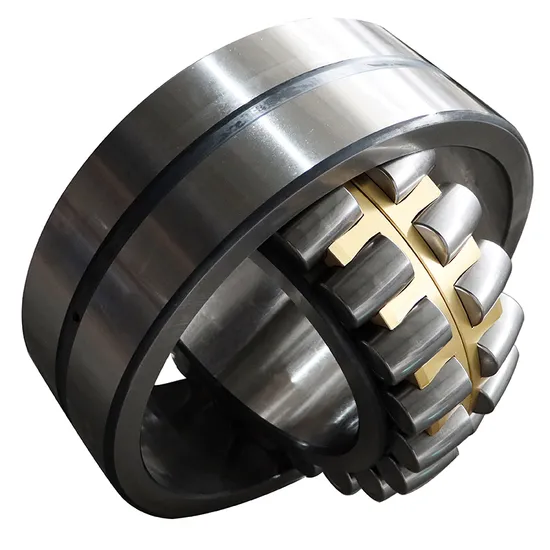
Selecting the correct lubricant is half the battle. Many MRO managers choose grease based on brand familiarity rather than technical suitability. For SNL housings, which typically house spherical roller bearings, the grease must withstand misalignment and heavy loads. The base oil viscosity is critical. At low speeds, high viscosity ensures film strength. At high speeds, lower viscosity reduces friction and heat. [NEED_CITE: viscosity selection guidelines for rolling bearings]
The thickener type determines environmental resistance. Lithium complex greases are common, but they may not suffice in extreme temperatures. For high-temperature applications, such as kiln fans or hot air handlers, synthetic base oils with high-temperature thickeners are necessary to prevent oxidation and hardening. In wet environments, calcium sulfonate or polyurea thickeners offer superior water resistance and adhesion. Using a standard lithium grease in a washdown area will result in rapid emulsification and loss of lubricity.
When sourcing components, ensuring compatibility between the bearing brand and the lubricant is essential. Whether using SKF, FAG, or other premium brands, the technical datasheets provide specific grease compatibility charts. Our team often assists clients in cross-referencing these specifications to ensure the selected grease aligns with the bearing’s internal clearance and cage material. This attention to detail prevents chemical incompatibility, which can lead to softening or hardening of the grease, compromising the Preventive Maintenance Schedule for SNL Housing.
What Is the Correct Grease Quantity and Interval?
Use calculation methods based on bearing size and speed factor, avoiding arbitrary guesses or "topping off" practices.
Determining how much grease to add is where most errors occur. Over-greasing is as damaging as under-greasing. Excess grease causes churning, which generates heat and increases drag. This heat can degrade the grease faster and damage the seals. The general rule for initial fill is to occupy thirty to fifty percent of the free space in the housing. For relubrication, the quantity depends on the bearing width and diameter. [NEED_CITE: relubrication quantity calculation formulas for spherical roller bearings]
The interval should be calculated using the speed factor (n·dm), where n is rotational speed and dm is the pitch diameter. Higher speeds require more frequent but smaller amounts of grease. Lower speeds allow for longer intervals but may require larger volumes to ensure distribution. Temperature also plays a role; for every ten-degree Celsius increase above normal operating range, the grease life halves. Therefore, in hot environments, intervals must be shortened significantly.
Instead of blind adherence to a calendar, use condition monitoring. Check grease color and consistency during scheduled stops. Dark, hardened grease indicates oxidation. Milky grease suggests water contamination. Metal particles indicate wear. Adjust the Preventive Maintenance Schedule for SNL Housing based on these findings. For instance, if metal particles are detected, increase inspection frequency and consider oil analysis to determine the source of wear. This proactive approach extends bearing life and reduces unexpected failures.
How to Execute Proper Relubrication Without Damaging Seals?
Follow step-by-step purging procedures to ensure fresh grease reaches the rolling elements without over-pressurizing the housing.
Proper technique is crucial during relubrication. Simply pumping grease into the nipple until it leaks out is incorrect and potentially harmful. This practice can force old, contaminated grease back into the bearing raceway or damage the seals due to excessive pressure. The correct method involves purging. First, clean the grease nipple thoroughly to prevent injecting dirt. Then, pump the calculated amount of new grease slowly while the bearing is rotating, if possible. Rotation helps distribute the fresh grease evenly across the rolling elements.
After adding the new grease, allow the bearing to run for a short period to expel excess old grease through the relief port or seal gap. Wipe away any expelled grease to prevent it from attracting dust. If the housing does not have a relief port, be extremely cautious with the volume added. In such cases, it may be necessary to remove the end cover periodically for a complete grease change, especially in heavily contaminated environments.
Training maintenance staff on these techniques is vital. A common mistake observed in field audits is the use of incompatible grease guns or dirty nozzles. Ensuring that tools are clean and dedicated to specific grease types prevents cross-contamination. This disciplined approach to execution ensures that the theoretical benefits of the Preventive Maintenance Schedule for SNL Housing are realized in practice.
Conclusion
Effective maintenance is dynamic, not static.
Ignoring operational variables leads to premature failure. Adjust grease type, quantity, and interval based on real-world conditions. Proper purging techniques protect seals and ensure lubricant efficacy. A well-executed Preventive Maintenance Schedule for SNL Housing reduces downtime and optimizes costs.