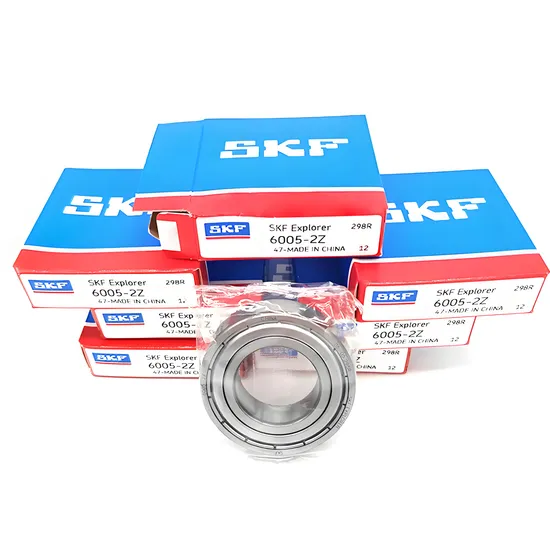
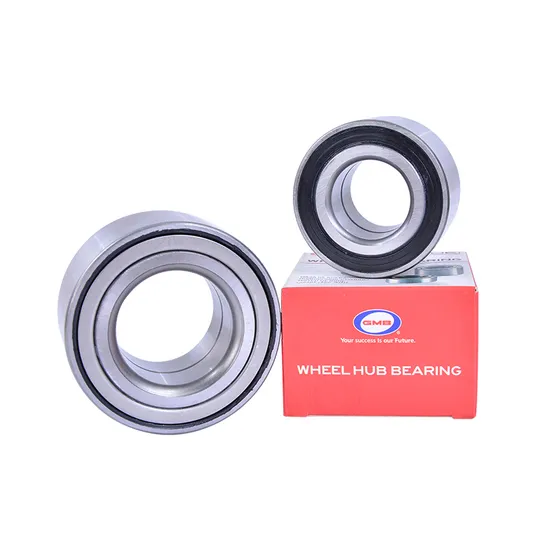
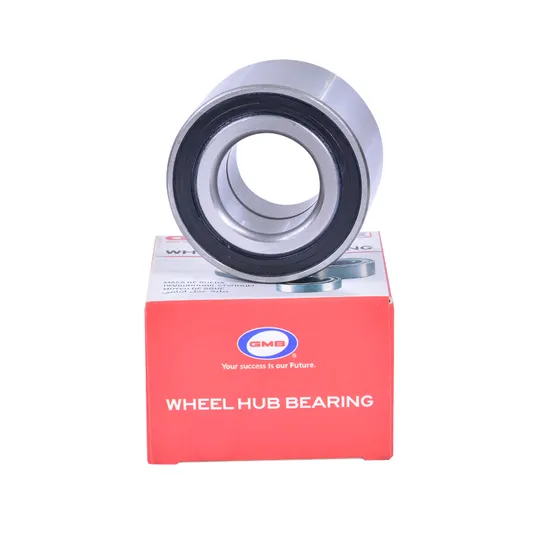
Commercial Y-Bearing Unit Supplier Germany: Genuine SKF/FAG Wholesale & Bulk
The cheapest quote is often the most expensive mistake when sourcing industrial bearings for harsh environments.
Sourcing genuine German-brand Y-bearing units requires strict authenticity verification beyond simple price comparison; reliable suppliers must offer traceable documentation and flexible mixed-brand consolidation to mitigate the high risk of counterfeits in emerging markets.
I still remember the smell of rancid, oxidized grease wafting from a disassembled pillow block bearing in a humid palm oil processing plant in Nigeria. The local maintenance team had sourced what they believed were premium SKF units through a Dubai-based intermediary to save on lead time. Within months, every unit on the primary crusher line had seized. When we peeled back the rubber seals, the internal lubricant was not the clean, consistent lithium complex grease specified by the manufacturer, but a dark, gritty sludge indicative of recycled material. The packaging looked convincing at a glance, but the laser-etched batch codes on the housing did not match any records in the global traceability system. This was not an isolated incident of bad luck; it was a systemic failure of supply chain verification. [NEED_CITE: common failure modes of counterfeit bearings in tropical climates]
For industrial distributors and MRO operators in Africa, the Middle East, and Latin America, the challenge is not just finding a Commercial Y-Bearing Unit Supplier Germany based brand, but ensuring that the units arriving at your dock are indistinguishable from those shipped directly from the factory floor. The market is flooded with high-quality fakes that pass visual inspection but fail under load.
Why Do "German-Brand" Y-Bearings Fail in Tropical Climates?
Counterfeit seals and substandard recycled grease cause premature locking in high-humidity and high-dust environments, far faster than genuine components would degrade.
In regions like West Africa or Southeast Asia, ambient humidity and abrasive dust are constant threats. Genuine Y-bearing units from brands like SKF or FAG are engineered with specific seal materials—often nitrile rubber or fluorocarbon elastomers—that resist swelling and cracking under thermal cycling. Counterfeit units frequently use cheaper, generic rubber compounds that harden over time or swell when exposed to moisture, breaking the seal integrity. Once the seal fails, contaminated air and water enter the bearing cavity, washing away the lubricant and introducing abrasive particles.
The failure is rarely immediate. It begins with increased vibration and noise, which operators might ignore until the bearing locks up completely. In a mining conveyor application in South Africa, we observed that non-genuine units failed within a fraction of the expected service life. The root cause was not the steel quality alone, but the inability of the seal to maintain a barrier against red iron ore dust. [NEED_CITE: impact of seal material quality on bearing life in dusty environments]
| Feature | Genuine German-Brand Units | Common Counterfeit/Low-Quality Units |
|---|---|---|
| Seal Material | Certified nitrile or fluorocarbon elastomers | Generic, untested rubber compounds |
| Grease Quality | Consistent, high-purity lithium complex | Recycled, oxidized, or inconsistent fill |
| Traceability | Laser-etched batch codes linked to mill certs | Printed labels or no codes at all |
| Housing Finish | Uniform coating, precise machining | Rough casting, uneven paint thickness |
When you engage a Commercial Y-Bearing Unit Supplier Germany focused channel, you are not just buying steel; you are buying the engineering assurance that the seal will hold. The cost of a single hour of downtime in a continuous process plant often exceeds the total savings from buying cheaper, unverified units.
How to Verify Authenticity Before Bulk Payment?
Demand traceable batch codes and original factory documentation, not just box photos, to ensure every unit in your container is genuine.
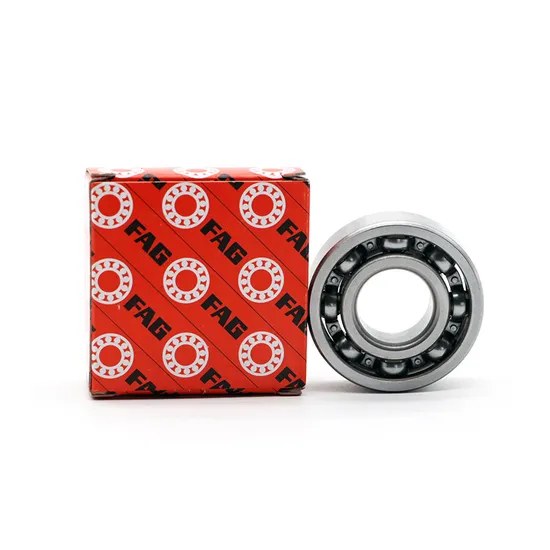
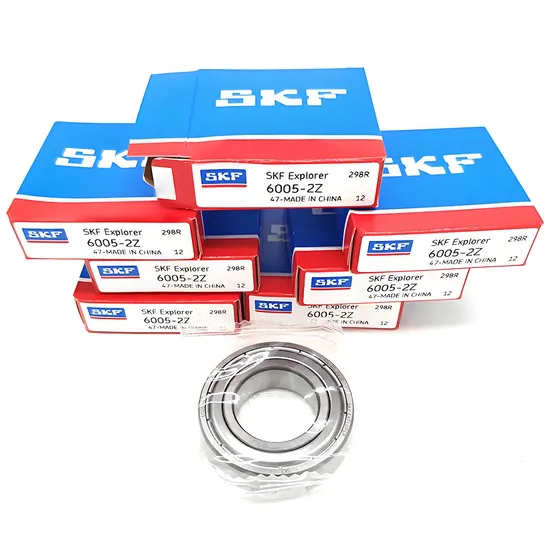
Visual inspection is the first line of defense, but it is no longer sufficient. High-end counterfeits have mastered the art of packaging replication. The box may look perfect, with correct logos and colors, but the contents tell a different story. The most reliable method for verification is cross-referencing the physical product with its digital footprint. Every genuine bearing from major German manufacturers carries a unique identification code, often laser-etched onto the outer ring or housing. This code links back to the production batch, date, and facility.
A professional Commercial Y-Bearing Unit Supplier Germany aligned partner will provide original mill certificates that match these batch numbers exactly. If a supplier hesitates to provide this documentation or offers only generic "quality certificates" without batch-specific data, it is a significant red flag. [NEED_CITE: importance of batch-specific traceability in anti-counterfeit strategies]
We once assisted a distributor in Ethiopia who was preparing to import a full container of agricultural machinery bearings. Before shipment, we requested high-resolution images of the laser etching on a random sample of units. The codes were faint and appeared to be ink-jet printed rather than laser-etched, a common shortcut used by counterfeiters. Upon further audit, the packing list did not align with the batch numbers on the boxes. By catching this discrepancy before payment, the buyer avoided a catastrophic loss of trust with their end clients.
Key verification steps include:
- Check for laser-etched codes versus printed labels.
- Inspect seal integrity for uniform molding and material consistency.
- Verify grease color and texture through sample disassembly if possible.
- Audit original mill certificates against packing list batch numbers.
Can You Mix SKF, FAG, and NSK in One Container?
Yes, professional consolidators allow mixed-SKU loads to optimize inventory for diverse MRO needs, reducing capital tie-up while maintaining genuine quality.
Many industrial buyers believe they must choose a single brand for their entire inventory to simplify procurement. However, in real-world MRO scenarios, equipment fleets are rarely homogeneous. A mining site might have crushers running on SKF bearings, conveyors using FAG, and pumps equipped with NSK. Sourcing each brand separately from different official channels often means meeting high minimum order quantities (MOQs) for each, leading to overstocking of slow-moving items.
A flexible Commercial Y-Bearing Unit Supplier Germany sourcing strategy involves working with a consolidator who can mix brands and SKUs in a single container. This approach allows buyers to purchase exact quantities needed for urgent overhauls or routine maintenance without being forced into bulk buys of irrelevant parts. The key is ensuring that the consolidator has direct access to genuine stock for all represented brands, rather than sourcing from the open market where provenance is unclear.
For a recent project involving a sugar mill overhaul in Tanzania, the client needed a specific mix of heavy-duty spherical roller bearings and standard Y-units. By consolidating SKF and FAG products into one shipment, we reduced the overall logistics cost and allowed the client to maintain a leaner inventory. The technical selection support provided during this process ensured that equivalent models from different brands were correctly matched to the application requirements, preventing compatibility issues during installation. [NEED_CITE: benefits of mixed-brand consolidation for MRO inventory optimization]
| Consolidation Approach | Single-Brand Direct Sourcing | Mixed-Brand Consolidation |
|---|---|---|
| MOQ Requirement | High per SKU | Flexible, aggregated across brands |
| Inventory Risk | High for slow-moving items | Lower, buy-to-need capability |
| Logistics Cost | Higher per unit for small orders | Optimized via full container load |
| Technical Support | Brand-specific only | Cross-brand equivalence consultation |
What Are the Real Cost Savings of Direct Wholesale Sourcing?
Eliminating middlemen reduces unit cost while maintaining genuine quality through direct channel verification, avoiding the hidden costs of failure.
The perception that lower upfront price equals better margin is a dangerous fallacy in industrial procurement. The true cost of a bearing includes not just the purchase price, but the logistics of replacement, the labor for installation, and the massive financial impact of unplanned downtime. When a fake bearing fails, the cost is not just the price of a new unit; it is the lost production revenue, which can be ten times the value of the bearing itself.
Sourcing through a verified Commercial Y-Bearing Unit Supplier Germany channel that operates on a wholesale model removes multiple layers of distribution. Official brand channels often have rigid pricing structures and limited flexibility for emerging markets. By working with a specialized supplier who aggregates demand and sources directly from authorized distributors or factories, buyers can access genuine products at significantly lower prices.
This model also provides access to technical expertise that pure traders cannot offer. For an agricultural machinery OEM in Kenya, standardizing Y-units across their harvester lineup required detailed technical selection support. The supplier helped analyze field return data and identified that a specific housing material was corroding due to fertilizer exposure. Switching to a more resistant cast iron variant, sourced through the same wholesale channel, reduced field returns noticeably. This kind of value-added service is only possible when the supplier has deep technical knowledge and a direct line to genuine manufacturing standards. [NEED_CITE: role of technical selection in reducing field failure rates]
Conclusion
Authenticity is not a luxury; it is the foundation of reliable industrial operation.
Sourcing genuine German-brand Y-bearing units demands a rigorous approach to verification, prioritizing traceable documentation over superficial packaging checks. By leveraging mixed-brand consolidation and direct wholesale channels, industrial buyers can secure both cost efficiency and operational reliability. Trust is built on transparency, and in the world of critical mechanical components, there is no substitute for verified provenance.