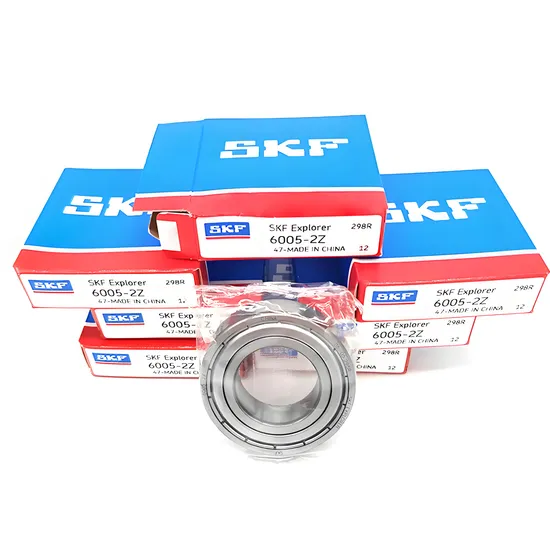
KOYO and SKF Bearings for Japanese Machine Tool OEMs Wholesale Supplier
Most Japanese CNC machines do not use all-Japanese bearings. Spindle positions typically run KOYO or NSK angular contact bearings, while heavy structural columns and overseas-market models often spec SKF cylindrical or spherical roller bearings.
Japanese machine tool OEMs pair KOYO and SKF bearings by application: spindle precision favors KOYO, heavy-duty and global service lines lean SKF; interchange requires matching tolerance class, preload, and lubrication specs.
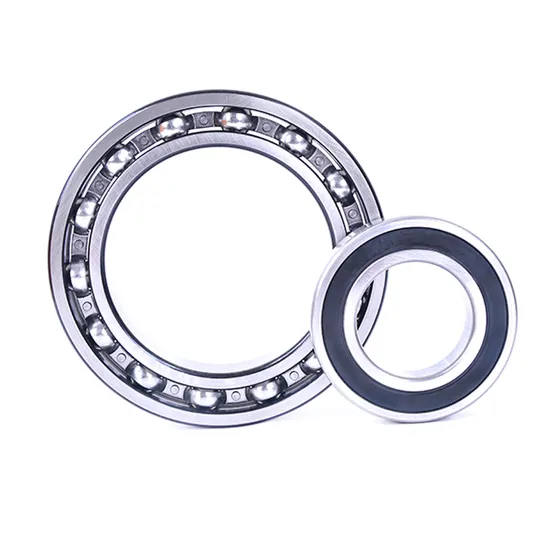
I learned this the hard way when a shipment of KOYO deep groove ball bearings bound for a South American port got held at customs. The commercial invoice listed Japan as the country of origin, but several cartons inside were actually manufactured in Thailand. The buyer needed those bearings for a Japanese CNC spindle rebuild, and the delay stretched into weeks. We had to assemble a complete origin traceability chain—authorization letters, certificates of origin, packing lists—before the shipment cleared. That episode cemented how I approach every KOYO and SKF bearing order for Japanese machine tool OEMs wholesale supply: origin verification and cross-reference accuracy are non-negotiable. [NEED_CITE: country-of-origin documentation requirements for Japanese machine tool bearing imports]
Understanding why OEMs mix these two brands—and how to source them correctly—requires looking at application logic, interchange rules, and authentication workflows.
Why Do Japanese OEMs Specify Both KOYO and SKF?
Japanese machine tool builders select bearings based on regional market demands and application-specific performance envelopes, not brand loyalty alone.
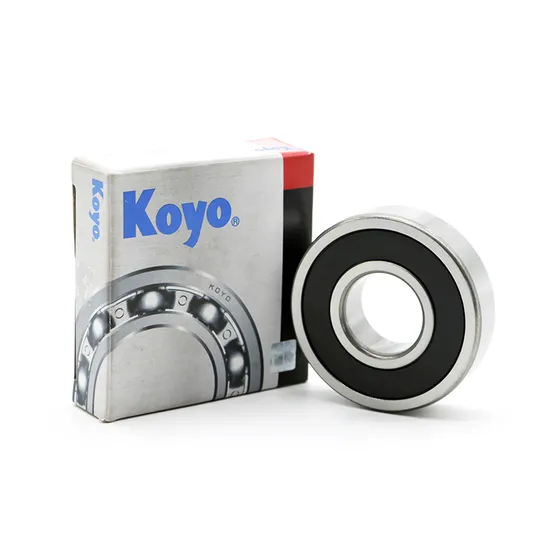
KOYO, now part of JTEKT, has deep integration with Japanese machine tool design standards. Its angular contact ball bearings dominate spindle positions in machining centers and CNC lathes produced by builders in the Yamazaki Mazak, Okuma, and DMG Mori supply chains. KOYO’s strength lies in high-speed precision, with P4 and P5 tolerance class bearings engineered for the thermal stability and rigidity that spindle applications demand. [NEED_CITE: Japanese machine tool spindle bearing selection criteria per JMTBA guidelines]
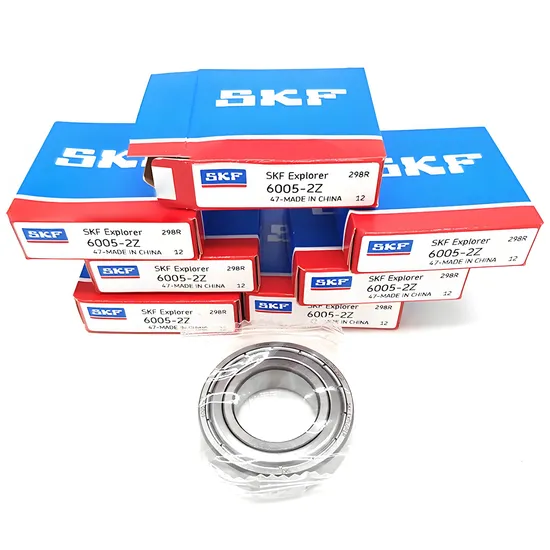
SKF, by contrast, enters the Japanese OEM picture primarily through heavy-duty structural positions and machines destined for European or global aftermarket service. When a Japanese builder exports a horizontal machining center to Germany, the end user may request SKF cylindrical roller bearings for the column guideway or SKF spherical roller bearings for the rotary table—simply because the maintenance team already stocks SKF products and prefers a single-brand service ecosystem.
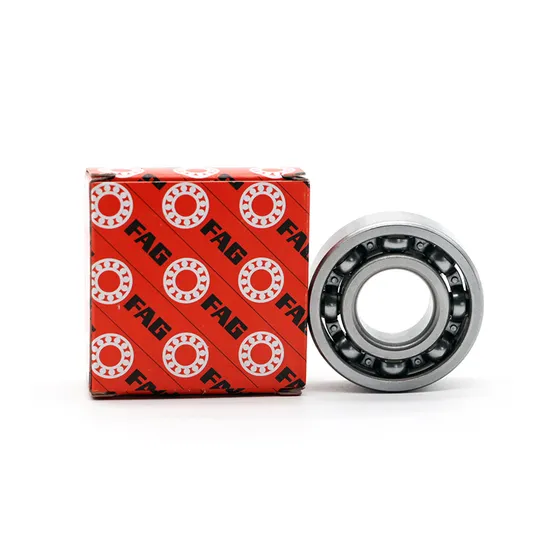
This dual-brand strategy means that a KOYO and SKF bearings for Japanese machine tool OEMs wholesale supplier must maintain cross-reference competence across both product lines. You cannot assume that a machine designed in Osaka will ship with exclusively Japanese-origin bearings. The specification sheet may call for KOYO spindles and SKF support bearings in the same machine frame.
Which Bearing Types Go Where in Japanese CNC Machines?
Spindle positions use KOYO angular contact ball bearings; feed axis ball screw supports use KOYO or NSK; heavy column and rotary table positions often use SKF cylindrical or spherical roller bearings.
The typical Japanese vertical machining center contains three critical bearing zones:
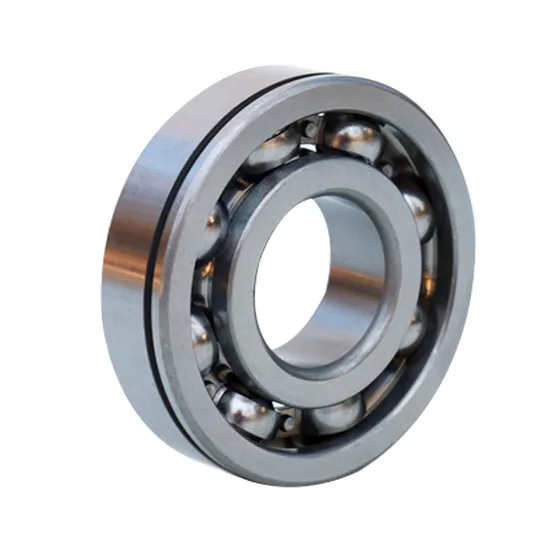
Spindle unit. This is the highest-precision position. Angular contact ball bearings in P4 or ABEC-7 tolerance class, arranged in back-to-back or tandem pairs, handle combined radial and axial loads at speeds exceeding the machine’s rated RPM. KOYO dominates here because its dimensional consistency and preload uniformity align with Japanese spindle manufacturer specifications. [NEED_CITE: angular contact ball bearing preload specifications for machine tool spindles per ISO 492]
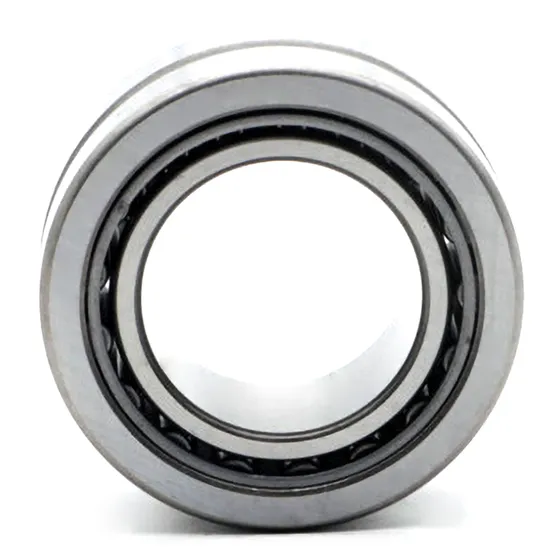
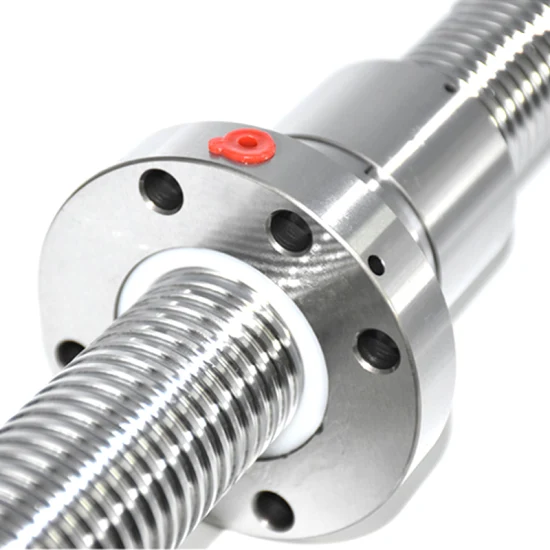
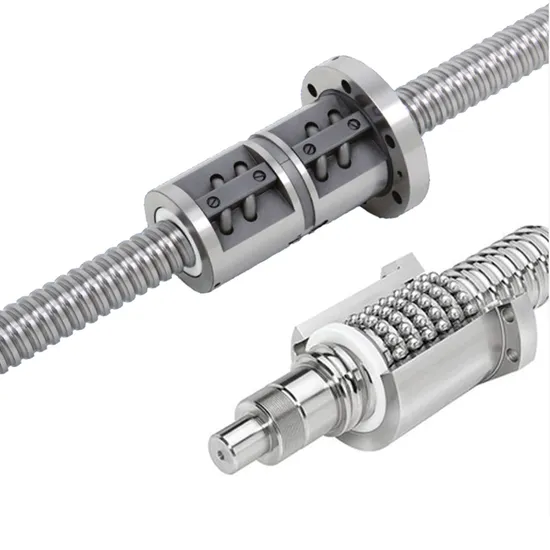
Ball screw support. The feed axis requires high rigidity and low friction. Double-row angular contact bearings or tapered roller bearings in P5 class provide the axial stiffness needed for positioning accuracy. KOYO and NSK both supply these positions, and interchange between the two is common when OEM procurement shifts based on production capacity.
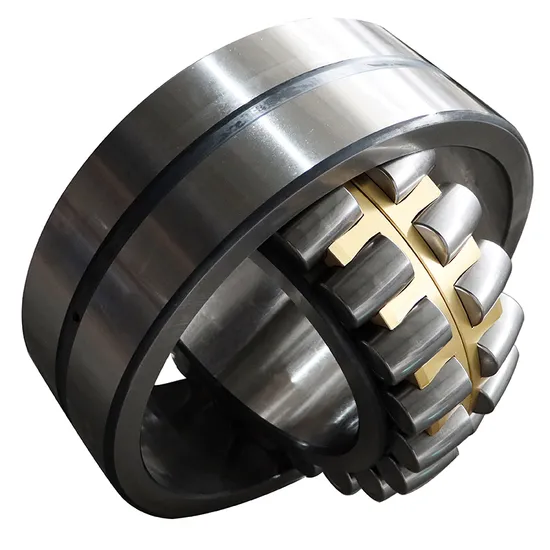
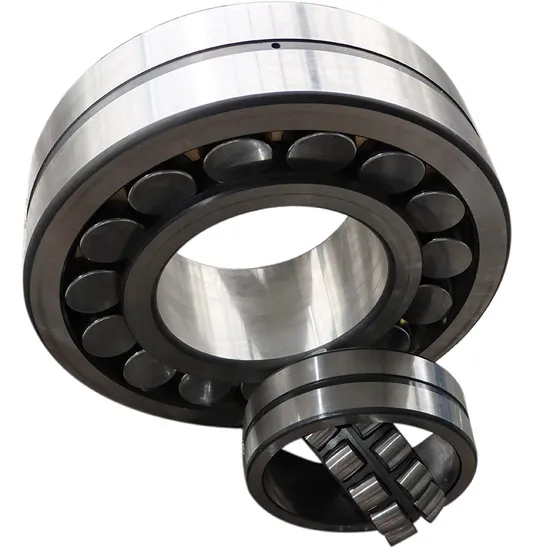
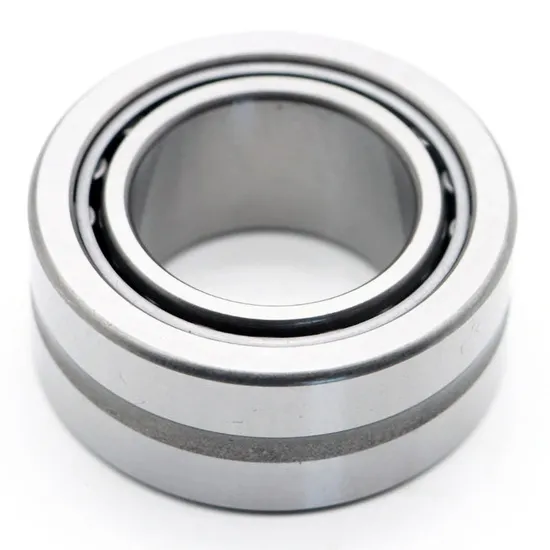
Column and base structure. Heavy radial loads and potential misalignment call for cylindrical roller bearings or spherical roller bearings. SKF’s dominance in these categories—built through decades of steel mill and heavy machinery supply—makes it the default choice when Japanese OEMs design for global serviceability. A KOYO and SKF bearings for Japanese machine tool OEMs wholesale supplier must stock both SKF cylindrical roller series and KOYO angular contact series to cover the full machine bill of materials.
Can KOYO and SKF Bearings Be Interchanged?
Interchange between KOYO and SKF bearings is possible only when inner diameter, outer diameter, width, tolerance class, contact angle, preload method, and lubrication type all align.
Many buyers assume that if the basic dimensions match, the bearings are interchangeable. This is a dangerous assumption in machine tool applications. Consider a scenario where a maintenance engineer at a Southeast Asian automotive parts factory needs to replace a failed spindle bearing. The original KOYO bearing is on backorder, and a local distributor offers an SKF equivalent based on matching bore and outside diameter. The engineer installs it without checking tolerance class or preload specification. Within weeks, the spindle runs hot, thermal growth exceeds tolerance, and the machine produces out-of-spec parts.
The root cause is almost always one of three mismatches:
Tolerance class. A KOYO P4 bearing cannot be replaced with an SKF P5 bearing in the same position. The dimensional variation allowed in P5 class is wider than P4, and the spindle’s thermal and dynamic behavior will shift. [NEED_CITE: ISO 492 tolerance class definitions for radial bearings]
Preload method. KOYO and SKF use different designation systems for preload. KOYO may specify a light preload denoted by a suffix letter, while SKF uses a numeric or letter code for its matched bearing sets. Installing a bearing with incorrect preload—too light causes axial play; too tight causes overheating—will destroy spindle performance.
Lubrication compatibility. Some KOYO spindle bearings ship pre-greased with a specific high-speed grease. If an SKF replacement uses a different grease base, the two lubricants may be incompatible, leading to grease degradation and bearing failure.
A KOYO and SKF bearings for Japanese machine tool OEMs wholesale supplier must provide cross-reference documentation that goes beyond dimensional equivalence. The interchange chart must include tolerance class, contact angle (typically 15 degrees or 25 degrees for spindle applications), preload designation, and lubrication type. Without this data, any substitution is a gamble.
How to Verify Authenticity When Sourcing OEM Bearings?
Authenticity verification requires a multi-layer approach: authorized distributor certification, origin traceability through customs documentation, and physical inspection of packaging and bearing markings.
Counterfeit bearings are a persistent problem in the industrial supply chain. A fake KOYO angular contact bearing may look identical to a genuine product on the outside, but its internal geometry, material quality, and heat treatment will not meet the original specifications. In a machine tool spindle, a counterfeit bearing can cause catastrophic failure—spindle seizure, workpiece damage, even operator injury.
The verification process I follow for every KOYO and SKF bearings for Japanese machine tool OEMs wholesale order includes:
Step one: Authorized distributor verification. Request the supplier’s authorization letter from KOYO or SKF. This letter should be current, signed by the brand’s regional sales office, and name the specific distributor. [NEED_CITE: authorized distributor verification process for industrial bearing brands]
Step two: Origin traceability. The commercial invoice, packing list, and certificate of origin must all align. If the invoice says "Made in Japan" but the certificate of origin lists Thailand, you have a problem. Brands like KOYO and SKF operate multiple factories globally, and the country of origin depends on which factory produced the specific batch. You need documentation that traces the bearing from the factory to your warehouse.
Step three: Physical inspection. Genuine KOYO bearings have specific laser-etched markings on the outer ring, including the brand logo, model number, and production batch code. The packaging should include a QR code that links to the manufacturer’s verification system. SKF bearings have similar security features, including holographic labels and unique serial numbers. [NEED_CITE: anti-counterfeit packaging features for KOYO and SKF bearings]
A buyer in the Middle East once received a shipment of KOYO tapered roller bearings at a significantly discounted price. The packaging looked correct, but the laser etching was slightly blurred. When we ran the batch codes through KOYO’s verification system, the codes did not exist in the manufacturer’s database. The entire shipment was counterfeit. The buyer avoided a major loss only because we flagged the discrepancy during the pre-shipment inspection.
What Documents Prevent Customs Delays for Japanese OEM Bearings?
Complete customs clearance for Japanese machine tool bearings requires a full documentation chain: commercial invoice, packing list, certificate of origin, brand authorization letter, and in some cases, end-user declarations.
The customs delay I mentioned earlier—where a KOYO bearing shipment to South America was held because of mixed origin documentation—is not an isolated incident. Customs authorities in many countries have tightened controls on industrial bearing imports due to counterfeit risks and trade compliance requirements.
The documentation package I prepare for every KOYO and SKF bearings for Japanese machine tool OEMs wholesale shipment includes:
Commercial invoice. Must accurately describe the bearings, including brand, model number, quantity, unit price, and total value. Any discrepancy between the invoice and the physical shipment will trigger inspection.
Packing list. Must detail the contents of each carton, including the number of bearings per box, net weight, gross weight, and carton dimensions. Customs officers use this to verify that the shipment matches the declaration.
Certificate of origin. Must specify the country where the bearings were manufactured—not where the distributor is located. If the bearings were made in Japan, the certificate must say Japan. If they were made in Thailand, it must say Thailand. Mismatched origin declarations are the most common cause of customs holds.
Brand authorization letter. Some countries require proof that the exporter is authorized to sell KOYO or SKF products. This letter should be issued by the brand’s regional office and include the exporter’s name and address.
End-user declaration. In certain cases, customs may require a statement from the end user confirming that the bearings are for industrial use and not for resale. This is more common in countries with strict import controls on dual-use goods.
A European distributor once faced a three-week customs hold because the certificate of origin listed the wrong factory code. The bearings were genuine, but the documentation error made customs suspect a counterfeit shipment. We had to coordinate with the KOYO factory to issue a corrected certificate, and only then did the shipment clear. The lesson: documentation accuracy is as critical as product authenticity.
Conclusion
Japanese machine tool OEMs use KOYO and SKF bearings based on application requirements, not brand origin; successful sourcing demands cross-reference expertise, authenticity verification, and complete documentation.
Spindle precision favors KOYO angular contact bearings, while heavy structural positions often specify SKF roller bearings. Interchange between the two brands requires matching tolerance class, preload, and lubrication—not just dimensions. Authenticity verification and origin traceability are essential to avoid counterfeit products and customs delays. A KOYO and SKF bearings for Japanese machine tool OEMs wholesale supplier must provide not just products, but the technical documentation and verification support that industrial buyers need to keep their machines running.